Border Collie vs. Australian Shepherd Training Guide
Compare Border Collie and Australian Shepherd training timelines, costs, and techniques to select the right herding dog for your lifestyle.
The Herding Instinct: Border Collies vs. Australian Shepherds
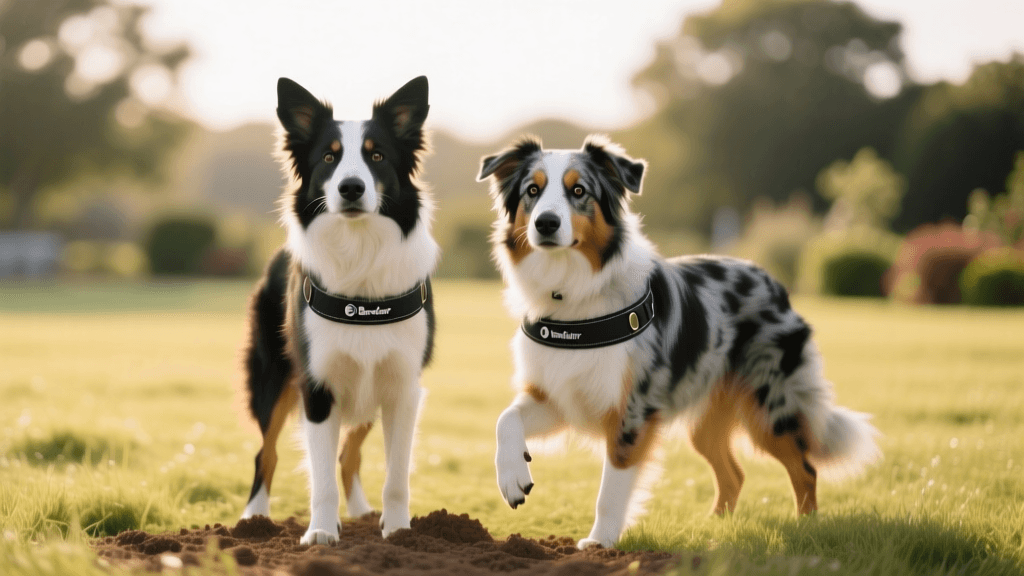
When prospective dog owners decide to bring a high-drive herding breed into their home, they are often captivated by the breathtaking intelligence and agility these dogs possess. However, owning a herding dog is not merely about providing physical exercise; it requires a rigorous, structured approach to obedience training, behavioral conditioning, and mental enrichment. According to the American Kennel Club's Border Collie profile, this breed is renowned for its intense energy and unparalleled trainability, often considered the most intelligent of all domestic dogs. On the other hand, the Australian Shepherd is celebrated for its versatility, loyalty, and slightly more protective, reserved nature. If you are trying to select between these two magnificent breeds, understanding their distinct training needs, timelines, and associated costs is critical to ensuring a harmonious household.
Breed Temperament and Biddability
Before diving into specific training protocols, it is essential to understand the psychological makeup of both breeds. Biddability refers to a dog's willingness to obey and please its handler. Border Collies are exceptionally biddable but possess an intense, almost obsessive focus on movement. This makes them incredibly responsive to hand signals and whistle commands, but it also means they are prone to developing neurotic behaviors, such as shadow chasing or light fixation, if their mental stimulation is not properly channeled. Australian Shepherds, while highly intelligent, tend to be more independent and environmentally aware. They are natural guardians and may exhibit wariness toward strangers, requiring a much heavier emphasis on early socialization and desensitization to novel stimuli compared to the more work-oriented Border Collie.
Training Timelines and Milestones
High-drive breeds mature mentally at a different rate than their physical bodies might suggest. While an Australian Shepherd might physically fill out by 18 months, their impulse control may not fully solidify until they are two years old. Below is a comparative timeline of what you can expect when training these breeds from puppyhood through adolescence.
| Training Milestone | Border Collie Expectations | Australian Shepherd Expectations |
|---|---|---|
| 8-12 Weeks (Foundation) | Rapid acquisition of basic cues (sit, down, touch). High food drive makes marker training easy. Prone to nipping at heels. | Slower to warm up to strangers. Focus on classical conditioning to novel sounds and surfaces to build confidence. |
| 3-6 Months (Impulse Control) | Introduction of 'Leave It' and 'Place' commands. Must manage prey drive and movement-triggered chasing. | Guarding behaviors may emerge. Requires strict 'Drop It' protocols and positive reinforcement for welcoming guests. |
| 6-12 Months (Adolescence) | High regression in recall due to environmental distractions. Requires long-line (15ft) proofing in open areas. | Testing boundaries and exhibiting selective hearing. Consistency in daily 15-minute obedience drills is non-negotiable. |
| 1-2 Years (Advanced Work) | Ready for complex trick chains, agility foundations, and advanced herding trials. | Ready for scent work, advanced rally obedience, and structured protection or tracking sports. |
Essential Gear for High-Drive Breeds
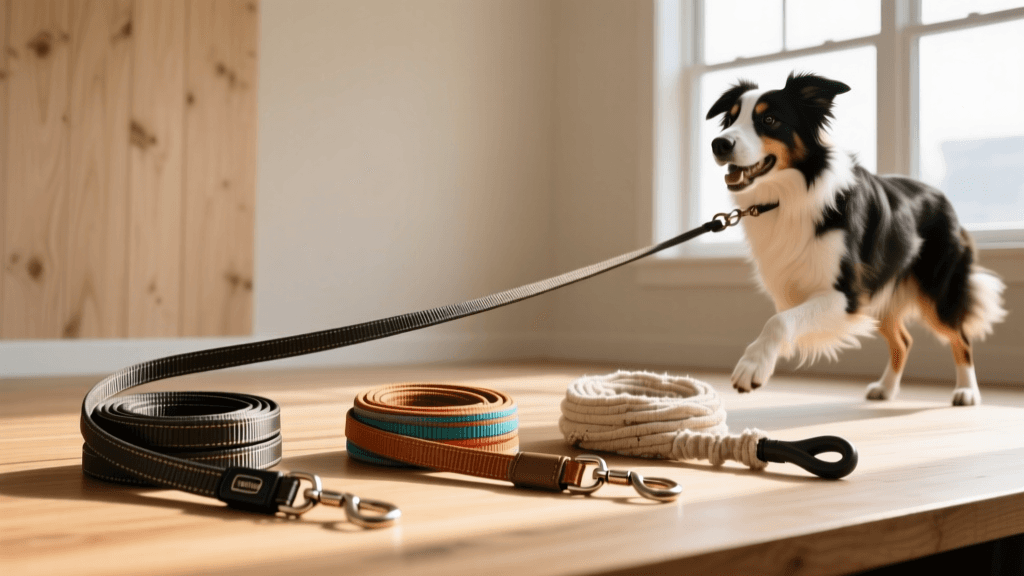
Selecting the right equipment is a foundational step in behavioral conditioning. Standard nylon leashes and flat collars are often insufficient for the sudden lunges and intense pulling power of an untrained herding dog. For loose-leash walking training, invest in a Ruffwear Front Range Harness (approx. $40), which features a front chest clip that gently redirects the dog's momentum toward you when they pull. Pair this with a 4-foot to 6-foot Biothane leash ($35-$50). Biothane is waterproof, easy to clean, and does not cause leash burn if the dog suddenly bolts after a squirrel. For recall training in unfenced areas, a 15-foot to 20-foot lightweight long line ($25) is mandatory. Never use retractable leashes (like the Flexi brand) for herding breeds, as the constant tension on the line teaches the dog that pulling is the only way to move forward, directly undermining your loose-leash training.
Mental Enrichment and Behavioral Conditioning
Physical exhaustion is a myth when it comes to herding breeds; a tired body often leads to a hyper-aroused, frantic mind. True fatigue comes from cognitive work. You must implement a daily routine of mental enrichment to prevent destructive behaviors. Allocate $50-$100 of your initial budget to interactive puzzle toys. The Outward Hound Nina Ottosson Dog Brick Puzzle ($15-$25) is excellent for teaching problem-solving and slowing down rapid eaters. For scent work conditioning, which taps into the Aussie's natural tracking instincts, utilize a Sniffapalooza Snuffle Mat ($30) to hide high-value treats like freeze-dried beef liver. Border Collies benefit immensely from 'shaping' sessions using a clicker. Spend 10 minutes, twice a day, using a Karen Pryor i-Click Clicker ($5) to shape complex behaviors like 'go to your mat' or 'close the door.' These short, high-intensity mental workouts will drain your dog's energy far more effectively than a two-hour walk.
Socialization and Environmental Sensitivity
Socialization is arguably the most critical aspect of raising an Australian Shepherd. The American Veterinary Society of Animal Behavior (AVSAB) emphasizes that the primary window for puppy socialization is between 3 and 14 weeks of age. During this period, puppies must be exposed to a wide variety of people, environments, and other animals in a positive, non-threatening manner. Because Australian Shepherds have strong guardian instincts, failure to properly socialize them during this window can lead to fear-based reactivity and aggression toward strangers or other dogs later in life. Border Collies, while generally more outwardly friendly, are highly sensitive to their environment. Loud noises, chaotic households, or harsh corrections can cause a Border Collie to shut down or develop noise phobias. Training for both breeds must rely exclusively on force-free, positive reinforcement methodologies. If your puppy shows fear, increase the distance from the trigger and use high-value food (like boiled chicken or string cheese) to change their emotional response.
The Financial Reality: Training Costs Breakdown
Prospective owners must be financially prepared for the training requirements of these breeds. Herding dogs are not pets you can simply train via YouTube videos in your living room; they require professional guidance to channel their drives safely. Here is a realistic breakdown of training costs you should budget for in the first two years:
- Puppy Kindergarten (Group Classes): $150 - $250 for a 6-week course. Essential for basic cues and safe, monitored puppy play to build bite inhibition.
- Intermediate Obedience & Manners: $200 - $300 for a 6-week course. Focuses on proofing commands like 'Stay' and 'Recall' around distractions.
- Private Behavioral Consultations: $120 - $180 per hour. Highly recommended for Aussies showing early signs of resource guarding or leash reactivity.
- Agility or Sport Foundations: $200 - $400 for a multi-week clinic. Once basic obedience is solidified, enrolling in a dog sport is almost mandatory to keep a Border Collie mentally fulfilled.
- Day Training / Board and Train: $1,500 - $3,000 for a 2-to-3 week intensive program. Only recommended if the owner lacks the time to execute daily training protocols, though the owner must still undergo 'handover' lessons to maintain the dog's training.
Making the Selection: Which Breed Fits Your Lifestyle?
Choosing between a Border Collie and an Australian Shepherd ultimately comes down to your daily routine, your living environment, and your willingness to engage in structured training. If you are an active runner, hiker, or aspiring dog sport competitor who wants a highly biddable, work-oriented partner that lives to execute commands, the Border Collie is an exceptional choice. However, you must be prepared to manage their intense visual triggers and provide rigorous daily mental conditioning. Conversely, if you are looking for a versatile family companion, a hiking buddy who is naturally protective of your home, and a dog that can balance intense work with relaxing on the couch, the Australian Shepherd may be the better fit. Regardless of your choice, both breeds demand an owner who views training not as a chore, but as a lifelong, rewarding partnership. By investing the proper time, utilizing the correct gear, and understanding their unique psychological needs, you will unlock the full, magnificent potential of your herding breed.
robin-maitland
All our authors care for dogs every day — read more of their work on the authors page.