Breed Selection: Matching Training Needs to Your Lifestyle
Discover how to choose the right dog breed based on training commitments. Compare working, herding, and companion breeds to find your perfect match.
Introduction: Why Breed Selection Dictates Training Success
Choosing the right dog breed is one of the most consequential decisions a prospective pet owner will make. While it is easy to fall in love with a dog based on its physical appearance or a viral video showcasing its clever tricks, the reality of daily life with a canine companion is rooted in behavioral conditioning, obedience training, and mental stimulation. Every breed was developed with a specific purpose in mind, and those historical jobs translate directly into modern training requirements. If you are selecting a dog, you must evaluate your lifestyle against the breed's inherent drive, intelligence, and physical stamina.
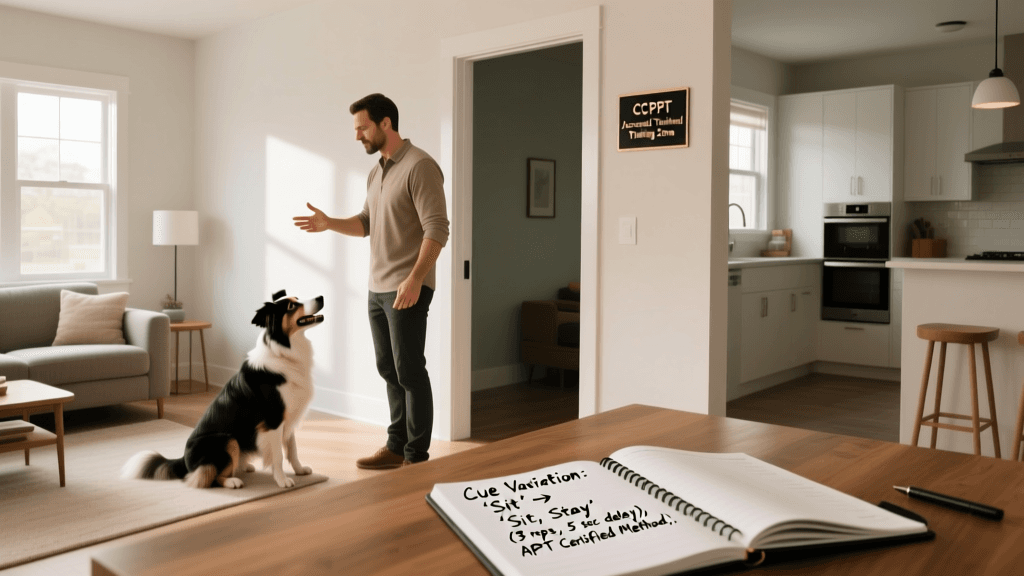
From the "Breed Comparison and Selection" perspective, training is not a one-size-fits-all endeavor. A Border Collie requires vastly different cognitive engagement than a Cavalier King Charles Spaniel. Failing to match your available time, energy, and budget to a breed's specific training needs is the leading cause of behavioral issues, owner surrender, and canine anxiety. This comprehensive guide will help you navigate the training expectations of various breed groups so you can make an informed, responsible selection.
The Time and Financial Commitment of Dog Training
Before selecting a breed, you must realistically assess your resources. Training is an ongoing financial and temporal investment. According to the ASPCA's pet care cost guidelines, the annual cost of dog ownership includes routine veterinary care, food, and miscellaneous expenses, but training and behavioral management can add significantly to this baseline. Group obedience classes typically cost between $100 and $200 for a six-week course, while private behavioral consultations for high-drive breeds can range from $150 to $250 per hour.
Time is an even stricter currency. High-energy working and herding breeds require a minimum of 60 to 90 minutes of dedicated, structured training and physical exercise daily. In contrast, toy and companion breeds may only require 15 to 20 minutes of focused training sessions, supplemented by leisurely walks. If your work schedule keeps you away from home for ten hours a day, selecting an independent, low-drive breed is crucial to prevent destructive behaviors born from boredom and separation anxiety.
Comparing Breed Groups: Training Profiles and Expectations
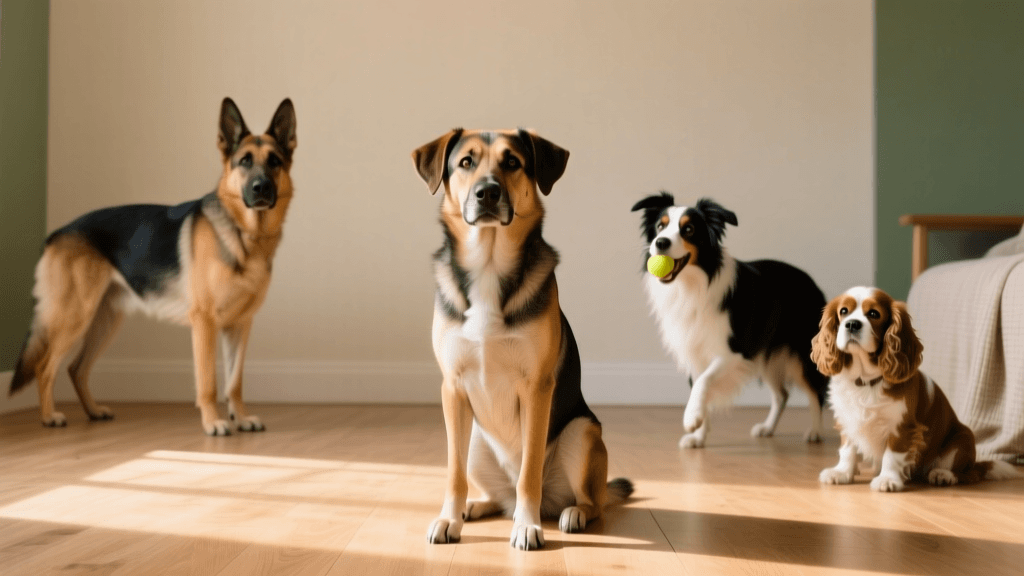
To simplify the selection process, we can categorize breeds into distinct groups based on their historical purposes and modern training needs. The table below provides a high-level comparison of the time, focus, and financial commitment required for different breed categories.
| Breed Group | Daily Mental/Physical Exercise | Primary Training Focus | Estimated Annual Training Cost |
|---|---|---|---|
| Herding (e.g., Border Collie, Australian Shepherd) | 90 - 120+ minutes | Agility, advanced obedience, impulse control | $500 - $1,200 |
| Working (e.g., German Shepherd, Rottweiler) | 60 - 90 minutes | Protection sports, structured obedience, socialization | $400 - $1,000 |
| Sporting (e.g., Golden Retriever, Labrador) | 60 - 90 minutes | Retrieval, recall, scent work | $300 - $800 |
| Companion/Toy (e.g., Pug, Cavalier) | 20 - 40 minutes | Housebreaking, basic manners, separation anxiety prevention | $150 - $400 |
Herding Breeds: The Geniuses That Need a Job
Herding breeds are exceptionally intelligent and possess an intense predatory motor sequence that has been selectively bred to stop short of the "kill" phase. This results in a dog that is obsessed with movement. If you select a herding breed, your training regimen must include impulse control exercises, such as "leave it" and "wait," to prevent them from herding children, cars, or other pets. Mental stimulation is just as critical as physical exercise. Incorporating puzzle toys, snuffle mats, and advanced trick training into your daily routine is mandatory. Without a "job," herding breeds will invent their own, often resulting in neurotic behaviors like shadow chasing or excessive barking.
Working Breeds: Power, Loyalty, and Structure
Working breeds were developed to guard property, pull carts, or perform water rescues. They are physically powerful and naturally protective. Selecting a working breed means committing to early, intensive socialization and firm, fair, and consistent obedience training. These dogs do not respond well to harsh corrections; instead, they thrive on positive reinforcement combined with clear boundaries. Training activities like Schutzhund (IGP), nose work, or advanced carting provide excellent outlets for their drive. If you are a first-time dog owner, selecting a working breed is generally discouraged unless you are committed to hiring a professional behaviorist and attending weekly classes.
Companion and Toy Breeds: Charm and Adaptability
Companion breeds were selected primarily for their affectionate nature and ability to provide emotional support. Their training requirements are generally less physically demanding but require immense patience. Toy breeds can be notoriously difficult to housebreak due to their small bladders and a natural aversion to going outside in cold or wet weather. Crate training and strict potty schedules are essential. Furthermore, because they are small, owners often neglect formal obedience training, leading to "Small Dog Syndrome," where the dog develops resource guarding or excessive barking habits. Selecting a companion breed means committing to treating them like a real dog, enforcing the same basic manners you would expect from a larger breed.
Essential Training Tools by Breed Type
The tools you use for training should be tailored to the physical build and drive level of your selected breed. Investing in high-quality, breed-appropriate gear ensures safety and accelerates the learning process.
- Herding Breeds: Because these dogs are highly motivated by food and play, a high-value treat pouch (like the Dog Treat Training Pouch by PetSafe) and a durable flirt pole are essential for rewarding rapid obedience and satisfying their chase drive safely.
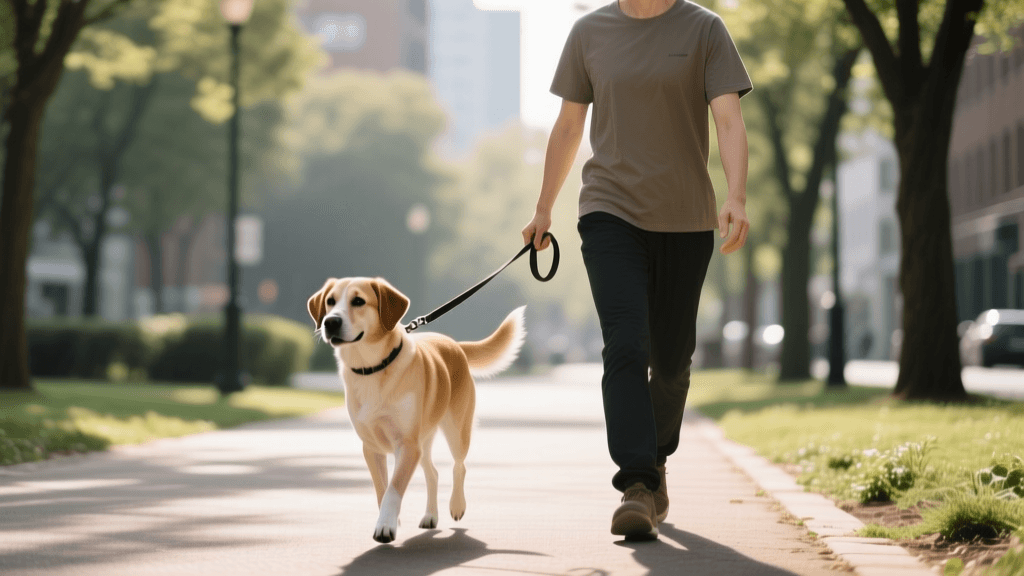
- Working Breeds: For powerful pullers, a front-clip harness such as the Ruffwear Front Range or the PetSafe Easy Walk is crucial for teaching loose-leash walking without damaging the dog's trachea. A heavy-duty long line (15 to 30 feet) is necessary for practicing reliable recall in open spaces.
- Sporting Breeds: Retrievers thrive on fetch and scent work. Investing in a series of canvas training dummies and a Kong Classic stuffed with frozen peanut butter will help channel their oral fixation and retrieving instincts into positive behaviors.
- Companion Breeds: Small breeds require lightweight, properly fitted gear. A step-in harness designed for toy breeds prevents tracheal collapse, a common medical issue in small dogs. Use pea-sized training treats to avoid obesity, which is a significant risk for low-activity companion breeds.
Socialization Windows and Breed-Specific Timelines
Regardless of the breed you select, the primary socialization window occurs between 3 and 14 weeks of age. During this critical developmental period, puppies must be exposed to a wide variety of people, environments, surfaces, and other animals to prevent lifelong fear and aggression. The American Veterinary Society of Animal Behavior (AVSAB) strongly advocates for early socialization, noting that the risk of under-socialization and subsequent behavioral euthanasia far outweighs the risk of infectious diseases in controlled environments.
However, breed selection influences how you manage this window. Guardian and working breeds require careful, positive exposure to strangers to ensure they develop into confident, discerning adults rather than fearful biters. Conversely, the American Kennel Club (AKC) emphasizes that hunting and sporting breeds need early exposure to loud noises, varied terrain, and water to build the environmental stability required for their traditional roles. If you select an older rescue dog outside of this socialization window, be prepared to invest heavily in counter-conditioning and desensitization protocols, particularly if the dog exhibits breed-specific reactivity.
Conclusion: Making the Right Choice for Your Household
Ultimately, successful dog ownership is the result of honest self-reflection and strategic breed selection. If you lead an active, outdoorsy lifestyle and view training as a rewarding hobby, a herding or sporting breed will be a fulfilling partner. If you prefer quiet evenings, live in an apartment, and have limited time for structured behavioral conditioning, a mature companion breed or a low-drive mixed breed is a vastly superior choice. By aligning your lifestyle with a breed's inherent training needs, you set the stage for a harmonious, well-behaved, and deeply bonded relationship with your canine companion.
aaron-whyte
All our authors care for dogs every day — read more of their work on the authors page.