Herding vs Sporting Breeds: Obedience Training Guide
Compare herding and sporting breeds for obedience and agility training. Discover trainability, socialization needs, and the best fit for your lifestyle.
The Genetic Blueprint: Understanding Breed-Specific Drives
When prospective dog owners begin their journey into pet ownership, the excitement of selecting a breed often overshadows the critical reality of what that breed was genetically engineered to do. Selecting a dog based purely on appearance or popularity can lead to severe behavioral mismatches, especially when it comes to obedience training and daily exercise. Two of the most popular, yet fundamentally different, categories of working dogs are the Herding Group and the Sporting Group. While both are celebrated for their high intelligence and eagerness to please, their underlying motivations, learning styles, and behavioral conditioning requirements vary drastically.
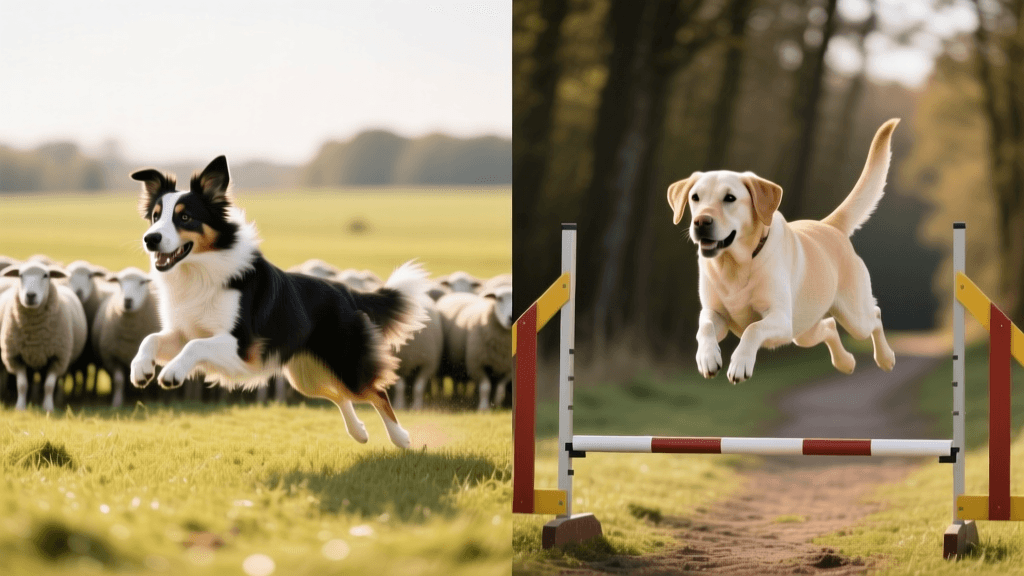
According to the American Kennel Club's Herding Group standards, these dogs were bred to control the movement of other animals, requiring intense visual focus, quick decision-making, and a propensity to nip or stalk. Conversely, the AKC Sporting Group encompasses breeds developed to assist hunters in flushing, pointing, and retrieving game, which relies heavily on olfactory senses, endurance, and a soft mouth. Understanding these genetic blueprints is the first step in creating a customized, effective training regimen that sets your dog up for success rather than frustration.
Obedience Training Strategies by Breed Group
Taming the Herding Instinct
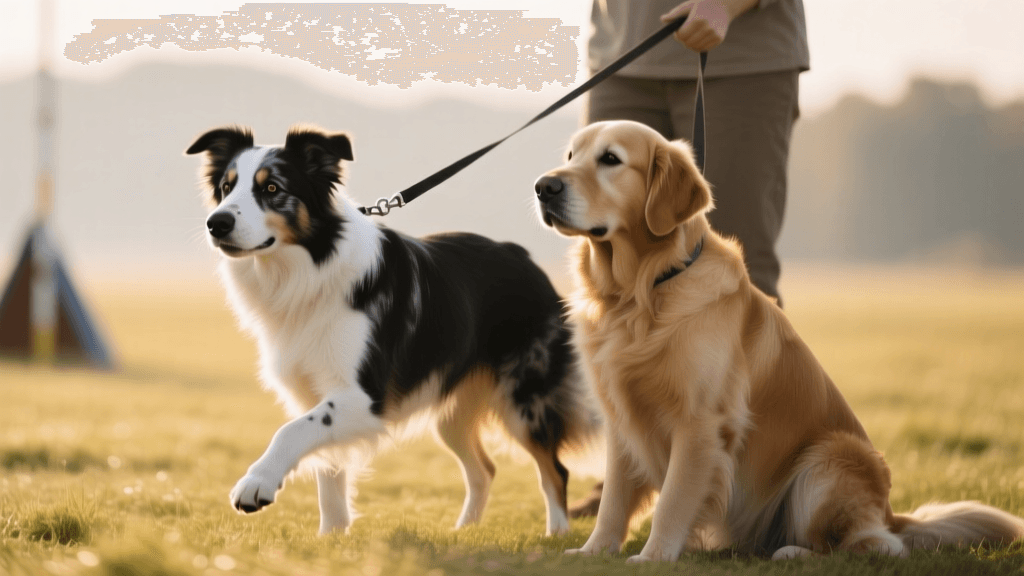
Herding breeds, such as the Border Collie, Australian Shepherd, and Shetland Sheepdog, possess an intense 'eye-stalk-chase' drive. In a domestic environment without livestock, this drive is frequently misdirected toward moving cars, bicycles, running children, or even the family cat. Training a herding dog requires strict impulse control and boundary setting.
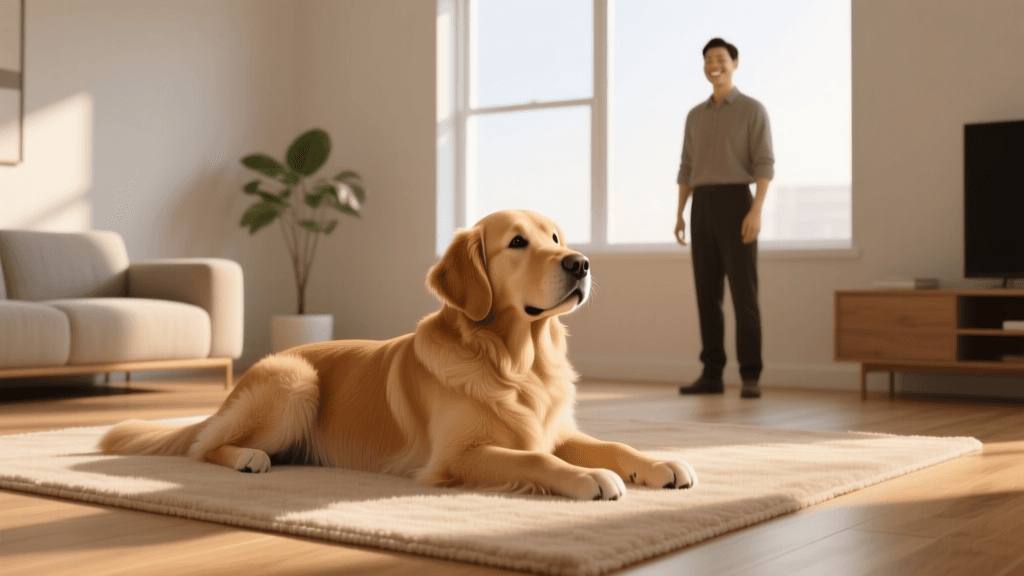
The most critical command for a herding breed is the 'Place' command. Unlike a simple 'Down' or 'Stay,' the 'Place' command assigns the dog a specific job: to go to a designated mat or cot and remain there until released. This satisfies their need to work while preventing them from patrolling the house or stalking guests. To teach this, use a raised cot (like a Coolaroo Elevated Pet Bed, approx. $35) and high-value treats such as Vital Essentials Freeze-Dried Minnows ($12 per bag). Lure the dog onto the cot, mark the behavior with a clicker, and reward. Gradually increase the duration from 10 seconds to 30 minutes. Herding dogs thrive on structure, so keeping training sessions to a precise 15 minutes, twice a day, prevents mental burnout while maximizing focus.
Channeling the Sporting Drive
Sporting breeds, including the Labrador Retriever, Golden Retriever, and German Shorthaired Pointer, are driven by their noses and their desire to retrieve. Their primary training hurdle is rarely a lack of intelligence, but rather extreme environmental distraction. A Sporting dog in a field of tall grass may completely tune out its owner if an interesting scent trail appears.
For these breeds, recall training and the 'Emergency Down' are non-negotiable. Because Sporting dogs are prone to following their noses into dangerous situations, training a whistle recall is highly effective. The sound of an Acme 210.5 Dog Whistle ($15) cuts through environmental noise much better than the human voice. Pair the whistle with a high-value reward like Zuke's Mini Naturals ($8 for 16oz). Begin in a low-distraction hallway, blow the whistle, and reward immediately when the dog approaches. Slowly move to the backyard, and eventually to a 20-foot Biothane long line ($35) in a public park. Furthermore, engaging their natural retrieving instinct through structured games of fetch or introductory scent-work classes will drain their mental energy far more effectively than a simple walk around the block.
Understanding your dog's genetic drive is not about suppressing their nature, but about giving them an appropriate, structured job to do in a domestic environment.
Essential Training Gear and Budgeting
Successfully training either breed group requires an investment in proper equipment and, occasionally, professional guidance. Relying on a standard retractable leash can reinforce pulling in Sporting dogs and offer zero control for a lunging Herding dog. Instead, invest in a front-clip harness, such as the Rabbitgoo No-Pull Dog Harness ($20), which gently redirects the dog's momentum when they pull.
Budgeting for professional training is also a wise consideration for first-time owners of high-drive breeds. Group obedience classes typically range from $150 to $250 for a six-week course and are excellent for foundational skills and socialization. However, if your Herding dog develops reactivity to moving objects, or your Sporting dog exhibits severe resource guarding with retrieved items, hiring a certified private behaviorist is recommended. Private sessions generally cost between $120 and $200 per hour. The ASPCA's dog training guidelines strongly advocate for positive reinforcement methods, ensuring that any professional you hire utilizes reward-based conditioning rather than aversive punishment, which can severely damage the bond with sensitive Herding breeds.
Breed Comparison Chart: Trainability and Needs
Use the following table to compare the core training traits of Herding and Sporting breeds to determine which aligns best with your lifestyle, time commitment, and training goals.
| Trait | Herding Breeds | Sporting Breeds |
|---|---|---|
| Primary Drive | Stalking, chasing, controlling movement | Flushing, pointing, retrieving, scent-tracking |
| Focus Style | Intense visual focus on movement | Olfactory focus, easily distracted by scents |
| Biddability | Extremely high; eager to work closely with handler | High; but can be independent when on a scent trail |
| Common Training Issue | Nipping heels, car chasing, hyper-vigilance | Poor recall, pulling on leash, counter-surfing |
| Ideal Training Sport | Agility, Treibball, Advanced Obedience | Field trials, Dock Diving, Scent Work |
| Session Length (Adult) | 15-20 minutes (high mental fatigue) | 20-30 minutes (high physical endurance) |
The Critical Socialization Window
Regardless of whether you choose a Herding or Sporting breed, the socialization window between 8 and 16 weeks of age is the most critical period for behavioral conditioning. Herding breeds are naturally more suspicious of strangers and novel environments, making early, positive exposure vital to prevent fear-based reactivity. During this window, puppies should be exposed to a minimum of 100 different people, surfaces, sounds, and objects.
Sporting breeds, while generally more outgoing, can develop hyper-arousal issues if not taught how to settle in stimulating environments. A highly recommended exercise for both groups is 'mat training' in public spaces. Bring your dog's mat to a quiet corner of a pet-friendly store or a park bench. Reward them heavily for simply lying down and observing the world without reacting. This teaches the Herding dog that they do not need to control every moving object in their vicinity, and it teaches the Sporting dog that they do not need to investigate every new scent. Puppies in this age bracket have short attention spans; keep these socialization sessions to just 5 to 10 minutes to avoid overwhelming their developing nervous systems.
Final Verdict: Which Breed Fits Your Training Lifestyle?
Choosing between a Herding and a Sporting breed ultimately comes down to the type of training you enjoy and the lifestyle you lead. If you are a highly structured individual who enjoys the precision of competitive agility, complex trick training, and having a dog that watches your every move, a Herding breed will be an incredibly rewarding partner. They require a handler who is proactive, consistent, and ready to manage their environment to prevent obsessive behaviors.
On the other hand, if you prefer long hikes, outdoor adventures, and a dog that is generally more forgiving of training mistakes and eager to play fetch for hours, a Sporting breed is likely your ideal match. They require a handler who is patient with environmental distractions and committed to building a rock-solid recall. By respecting the genetic heritage of your chosen breed and tailoring your obedience training to their specific drives, you will forge an unbreakable bond built on mutual understanding and clear communication.
tom-renshaw
All our authors care for dogs every day — read more of their work on the authors page.