Border Collie vs Golden Retriever: Training and Selection Guide
Compare Border Collie and Golden Retriever trainability. Discover breed-specific obedience tips, socialization timelines, and selection advice for your lifestyle.
Introduction: Matching Your Lifestyle to Canine Genetics
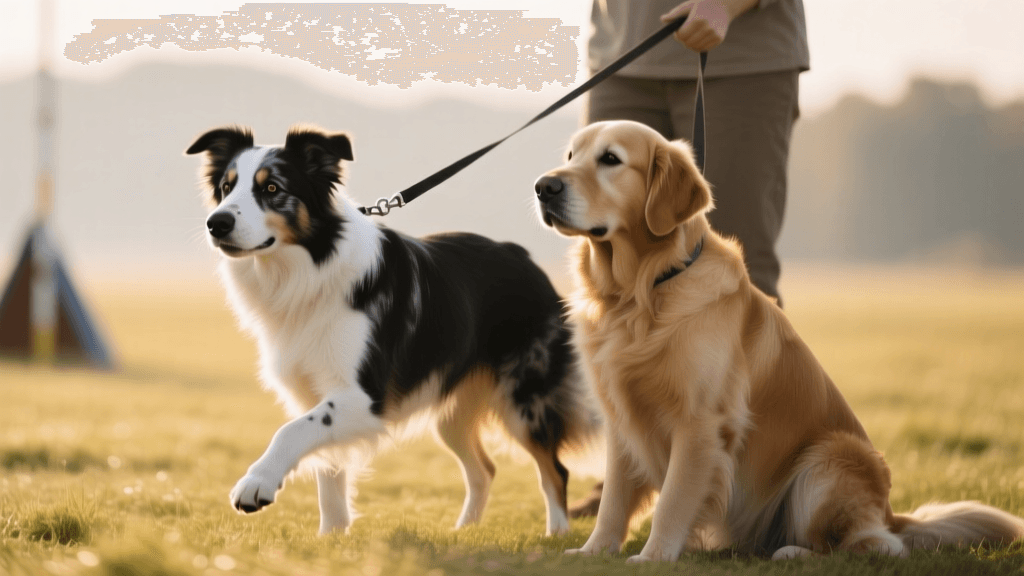
Selecting the right dog breed is one of the most consequential decisions a prospective owner can make. When evaluating breeds through the lens of training and behavioral conditioning, it becomes clear that genetics dictate not just how a dog looks, but how it learns, problem-solves, and interacts with the world. Two of the most popular and highly trainable breeds in the world are the Border Collie and the Golden Retriever. However, their training needs, motivations, and behavioral quirks are vastly different. This comprehensive guide compares these two iconic breeds, providing actionable training protocols, equipment recommendations, and selection criteria to help you determine which canine companion best fits your lifestyle.
Breed Profiles: The Herder vs. The Retriever
Border Collie: The Cerebral Athlete
Bred for centuries to herd sheep across rugged terrain, the Border Collie possesses an intense work ethic, extraordinary intelligence, and a hyper-awareness of movement. According to the American Kennel Club (AKC), they are widely considered the most intelligent of all domestic dogs. In a training context, this means they learn new commands in seconds, but they also learn bad habits just as quickly. They require high-level mental stimulation and are prone to neurotic behaviors if left underemployed.
Golden Retriever: The Biddable Companion
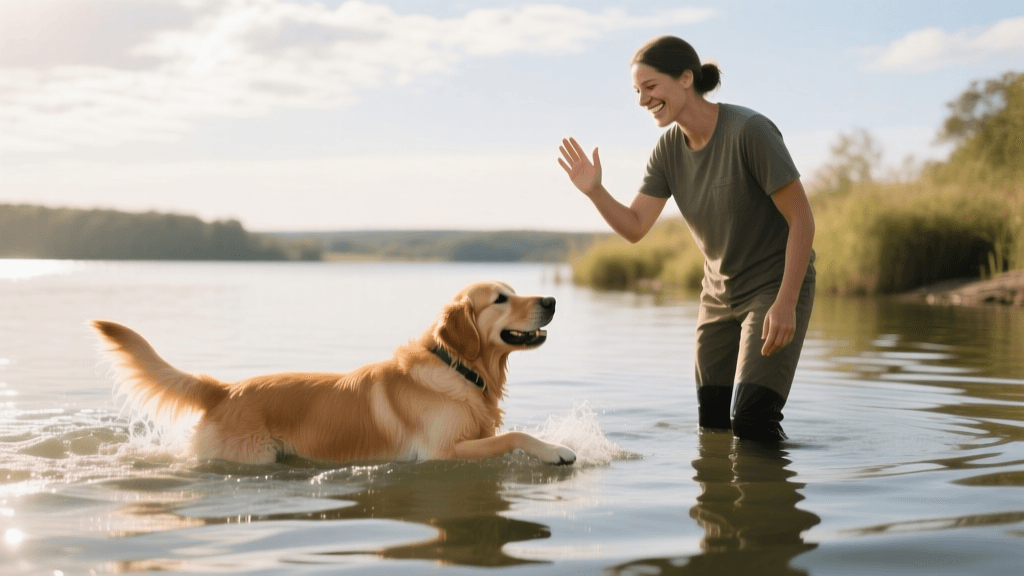
Originally developed in Scotland for retrieving waterfowl, the Golden Retriever is defined by its 'soft mouth,' eagerness to please, and high sociability. They are highly biddable, meaning they actively seek cooperation with their handler. While they are incredibly smart, their intelligence is more compliant and less independent than the Border Collie. They thrive on positive reinforcement, particularly food and praise, and are generally more forgiving of a novice trainer's mistakes.
Early Socialization: Critical Timelines and Techniques
The critical socialization window for puppies occurs between 3 and 14 weeks of age. The American Veterinary Society of Animal Behavior (AVSAB) strongly recommends that puppies begin socialization classes and environmental exposure before they have received their full series of vaccinations, as the behavioral risks of under-socialization far outweigh the medical risks of disease exposure when managed properly.
- Border Collie Socialization: Focus heavily on desensitization to movement. Introduce them to skateboards, bicycles, and running children from a safe distance. Use high-value treats (like boiled chicken or freeze-dried liver) to create positive associations, preventing their innate herding instinct from turning into leash reactivity or nipping.
- Golden Retriever Socialization: Focus on impulse control and greeting etiquette. Because they naturally love everyone, the primary goal is teaching them that four paws on the floor earns attention. Practice 'sit-to-say-please' with strangers and expose them to various floor textures to build confidence.
Core Obedience: Breed Comparison Matrix
| Training Metric | Border Collie | Golden Retriever |
|---|---|---|
| Primary Motivation | Movement, toys, mental puzzles | Food, verbal praise, physical touch |
| Time to Master Basic Cues | 1-3 days (but requires proofing) | 5-7 days (highly consistent) |
| Recall Difficulty | High (easily distracted by wildlife/movement) | Moderate (easily distracted by people/other dogs) |
| Mental Fatigue Threshold | 45-60 minutes of intense cognitive work | 15-20 minutes before losing focus |
| Ideal Training Session Length | 10-15 minutes, multiple times a day | 5-10 minutes, keeping it upbeat and fun |
| Common Behavioral Pitfall | Herding children/cars, shadow chasing | Jumping up, counter-surfing, mouthing |
As the matrix illustrates, a Border Collie requires a trainer who understands how to manage environmental arousal and channel predatory motor sequences into acceptable games. Conversely, the Golden Retriever requires a trainer focused on impulse control and managing over-exuberance.
Essential Training Gear and First-Year Budget
Equipping yourself with the right tools is vital for success. Here is a practical breakdown of breed-specific training gear and estimated costs for the first year of formal conditioning.
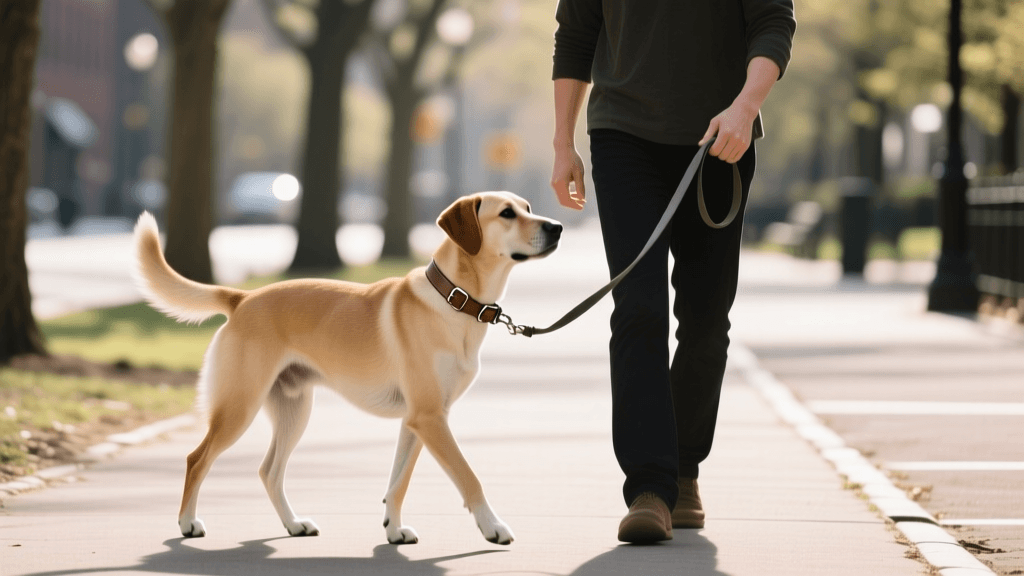
- Leashes: For recall proofing, a 15-to-30-foot Biothane long line ($30-$45) is essential. Biothane is waterproof and won't tangle easily in brush. For loose-leash walking, a standard 4-foot leather or nylon lead ($20) provides the best tactile feedback.
- Harnesses: The Ruffwear Front Range Harness ($40) is an excellent, durable choice for both breeds. For Golden Retrievers that tend to pull heavily out of excitement, the PetSafe Easy Walk No-Pull Dog Harness ($25) offers a front-clip attachment that gently redirects their momentum.
- Mental Enrichment: Border Collies need cognitive outlets. Invest in a Kong Wobbler ($15-$20) and an Outward Hound Snuffle Mat ($25) to make them work for their daily kibble. Golden Retrievers benefit from retrieval-specific toys like the Chuckit! Ultra Ball ($12 for a two-pack) to satisfy their carrying drive.
- Professional Training Costs: A standard 6-week group puppy kindergarten class typically costs between $150 and $250. If you opt for private behavioral consultations to address specific breed-related quirks (like a Border Collie's car-chasing or a Golden's separation anxiety), expect to pay $100 to $200 per hour.
Advanced Conditioning: Giving Them a 'Job'
Basic obedience is merely the foundation. To truly satisfy these breeds, you must provide advanced conditioning that mimics their ancestral purposes.
Border Collie: Agility and Treibball
Agility is the quintessential sport for the Border Collie, combining physical exertion with complex handler communication. If agility equipment is too expensive (a full backyard set can exceed $500), consider Treibball. This urban herding sport involves the dog pushing large exercise balls into a goal, satisfying their herding drive without the need for livestock.
Golden Retriever: Scent Work and Therapy Prep
Golden Retrievers excel in AKC Scent Work and Therapy Dog certification. Scent work taps into their natural tracking and foraging instincts, providing immense mental fatigue without the high-impact joint stress of agility. Training for therapy work involves rigorous desensitization to medical equipment, sudden noises, and clumsy handling, capitalizing on the breed's innate steadiness and empathy.
Troubleshooting Common Behavioral Hurdles
Border Collie: Leash Reactivity and Herding Children
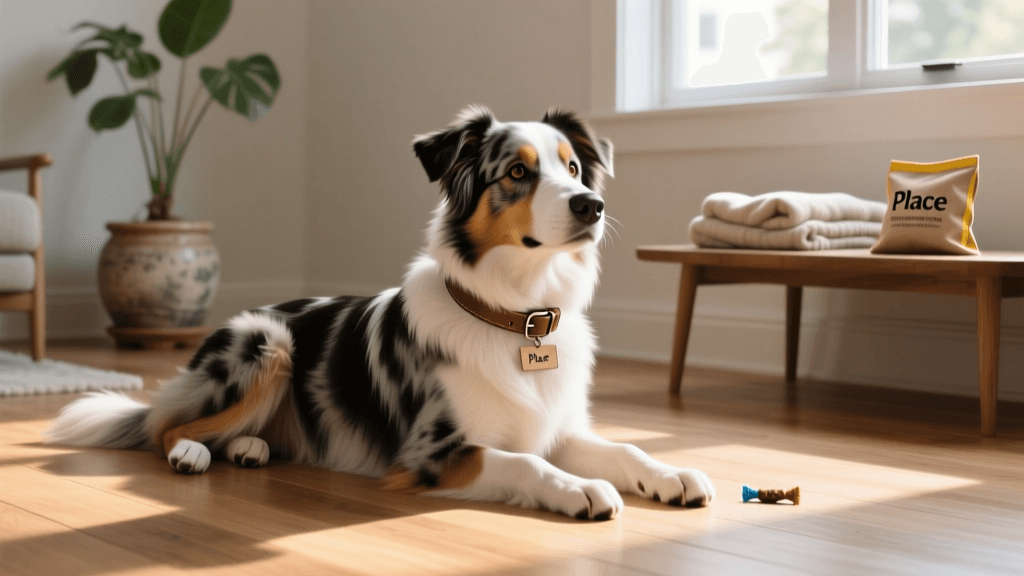
Because Border Collies are visually stimulated, they often develop leash reactivity toward moving objects like cars or joggers. The ASPCA recommends the 'Engage-Disengage' game. When the dog spots a trigger at a sub-threshold distance, mark the behavior with a clicker or a 'yes,' and reward. Over time, the dog learns to look back at the handler rather than fixate on the trigger. To prevent herding children, strictly manage the environment and teach a solid 'place' command on a raised cot.
Golden Retriever: Jumping and Over-Excitement
The Golden's greatest flaw is often their overwhelming joy upon seeing people. To curb jumping, implement the 'four-on-the-floor' rule. Keep a treat pouch like the Doggone Good Trainer's Pouch ($15) stocked with kibble. When guests enter, scatter treats on the floor to keep the dog's nose down and paws grounded. Consistency from every visitor is mandatory for this protocol to succeed.
Making the Final Selection
Choose the dog that fits the life you actually live, not the life you wish you had. A Border Collie demands an active, structured lifestyle, while a Golden Retriever offers a more adaptable, forgiving companionship.
If you are an experienced handler, an avid runner, or someone passionate about competitive dog sports, the Border Collie will be a deeply rewarding partner. However, if you are a first-time owner, have young children, or prefer a dog that can easily transition from a hiking companion to a couch potato, the Golden Retriever is the superior choice. By understanding the genetic imperatives of these breeds, you can tailor your training approach, invest in the right equipment, and build a harmonious, lifelong bond with your canine companion.
marcus-aldridge
All our authors care for dogs every day — read more of their work on the authors page.