Adolescent Dog Training: Surviving the Rebellious Teen Phase
Discover expert adolescent dog training tips to navigate the rebellious teen phase. Learn how to manage regression, enforce boundaries, and rebuild focus.
Understanding the Adolescent Dog Phase
Surviving puppyhood is a monumental achievement, but many dog owners are caught off guard when their previously obedient companion suddenly enters the adolescent phase. Often referred to as the 'teenage' stage, this developmental window typically spans from 6 to 18 months of age, depending on the breed and size of your dog. Small breeds may mature out of this phase closer to 10 months, while giant breeds can exhibit adolescent behaviors well into their second year. During this time, it is incredibly common for dogs to experience training regression, selective hearing, and a sudden surge in independence.
According to the American Kennel Club (AKC), consistency and patience are the most critical tools during this developmental window. Your dog is not intentionally trying to defy you; rather, their brain is undergoing massive structural changes. The neural pathways are literally being rewired, and their drive to explore the environment often overrides their desire to please you. Understanding this biological reality is the first step toward successful adolescent dog training.
The Science Behind Teenage Regression
Why does a dog who knew 'sit,' 'stay,' and 'come' at five months old suddenly act as if they have never heard those words? The answer lies in canine neurobiology and hormonal shifts. During adolescence, the frontal cortex—the area of the brain responsible for impulse control and decision-making—is still developing. Meanwhile, the limbic system, which processes emotions and reward-seeking behaviors, is highly active. This imbalance results in a dog that is easily distracted, highly reactive to stimuli, and prone to impulsive choices.
Additionally, adolescent dogs often experience a secondary 'fear period' between 8 and 11 months. During this time, previously confident dogs may become hesitant or reactive toward unfamiliar people, objects, or environments. Pushing a dog through a fear period with forced exposure can lead to lifelong behavioral issues. Instead, training must focus on creating positive associations and allowing the dog to observe from a safe distance.
Essential Gear for Teen Dog Training
To effectively manage an adolescent dog, you must upgrade your training toolkit. Standard puppy gear is often insufficient for the strength and unpredictability of a teenage dog. Here are the specific products, measurements, and estimated costs you need to maintain control and safety:
- Biothane Long Line (15 to 30 feet, $25 - $45): A waterproof, durable biothane long line is non-negotiable for recall training. It allows your dog the freedom to explore while giving you the physical means to prevent them from bolting. Brands like Mendota Pets or High Tail Hikes offer excellent options that do not absorb mud or water.
- Front-Clip No-Pull Harness ($35 - $50): If your adolescent dog has suddenly decided that pulling on the leash is a fun game, transition to a front-clip harness like the Ruffwear Front Range. The front attachment point gently redirects the dog's momentum back toward you when they pull, preserving your shoulders and their trachea.
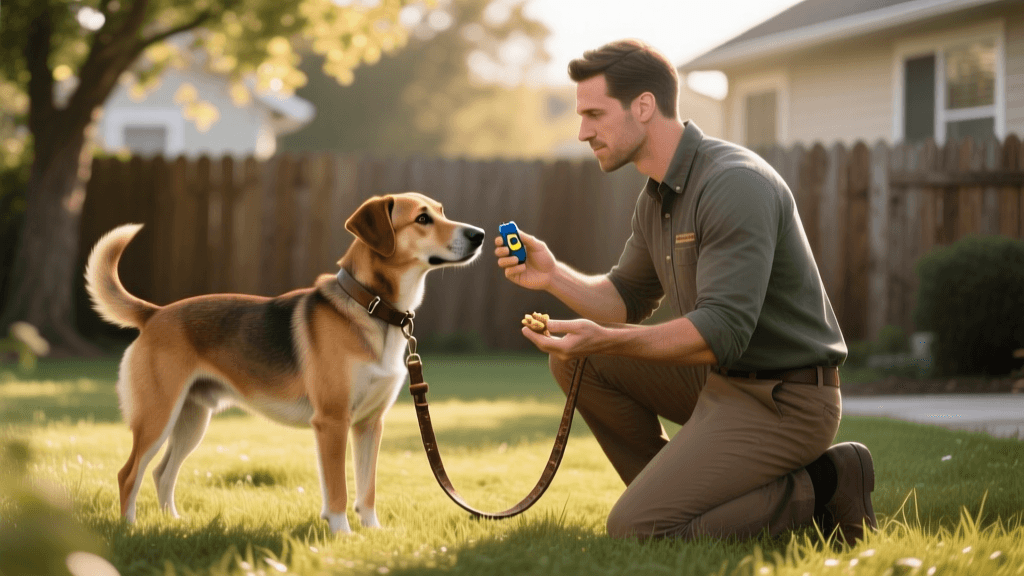
- High-Value Training Treats ($15 - $30): Kibble will no longer cut it in a distracting environment. You need single-ingredient, high-value rewards to compete with squirrels and other dogs. Stella & Chewy's freeze-dried raw minis or Ziwi Peak air-dried lamb cost roughly $20 to $30 per bag and provide the intense motivation required to keep a teenage dog focused.
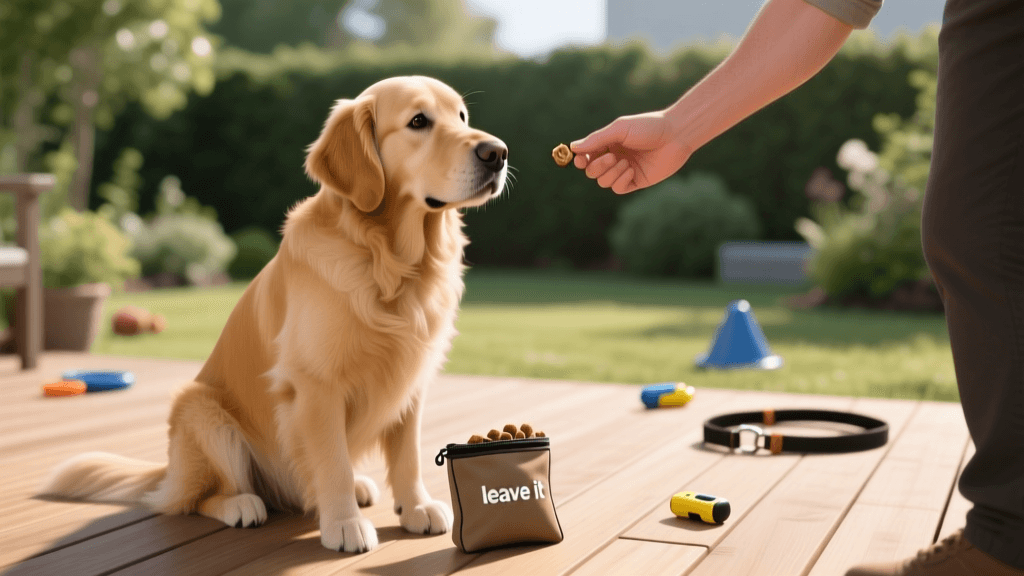
- Treat Pouch with Magnetic Closure ($20 - $35): Speed of delivery is everything. A magnetic-closure pouch, such as those made by Ruffwear or Kurgo, allows you to dispense treats in a fraction of a second, ensuring the dog associates the reward with the exact behavior you are reinforcing.
Actionable Training Strategies for Adolescent Dogs
1. Implement the 'Nothing in Life is Free' Protocol
Adolescent dogs need to understand that boundaries still exist. The 'Nothing in Life is Free' (NILIF) protocol requires your dog to perform a known obedience command before receiving anything they value. Want their dinner bowl? They must sit. Want to go out the back door? They must make eye contact and wait. Want affection? They must perform a 'down.' This protocol does not rely on dominance; rather, it builds a habit of checking in with you and practicing impulse control throughout the day. It costs nothing but time, yet it dramatically shifts the household dynamic.
2. The 10-Foot Recall Rule
Do not call your teenage dog to come if you are not 100% certain they will comply. Every time you yell 'come' and the dog ignores you to chase a rabbit, the recall command is actively being weakened. Instead, attach your 30-foot long line. Call the dog from a maximum of 10 feet away. If they do not respond, use a gentle leash guide to lead them to your position, then reward them. Practice this in low-distraction environments before moving to the park. Always reward a successful recall with a 'jackpot' of 3 to 5 high-value treats.
3. Decompression Walks for Mental Health
Many behavioral issues in adolescent dogs stem from chronic stress and overstimulation. A 'decompression walk' involves taking your dog to a quiet, natural area on a long line and allowing them to sniff at their own pace for 30 to 45 minutes. Sniffing lowers a dog's heart rate and provides immense mental enrichment. In fact, 20 minutes of intense sniffing can be more physically and mentally exhausting than a mile-long run. Allow them to investigate logs, grass, and bushes without rushing them.
Adolescent Dog Training Schedule & Milestones
Structuring your training helps prevent frustration. Below is a recommended schedule tailored to the cognitive and physical capabilities of an adolescent dog.
| Age Range | Primary Focus Area | Recommended Tool | Daily Time Commitment |
|---|---|---|---|
| 6 - 9 Months | Impulse control, basic manners, leash pressure | Front-clip harness, treat pouch | Three 10-minute sessions |
| 9 - 12 Months | Recall reliability, distance stays, socialization | 15ft biothane long line | Two 15-minute sessions + decompression |
| 12 - 18 Months | Proofing commands in high-distraction areas | 30ft long line, high-value rewards | One 20-minute session + real-world application |
Mental Enrichment Over Physical Exhaustion
A common mistake owners make with high-energy adolescent dogs is trying to physically exhaust them through endless games of fetch or long runs. This often creates a canine athlete that requires hours of exercise just to settle down. Instead, pivot toward mental enrichment. Puzzle toys, snuffle mats, and scent work engage the dog's brain and promote calmness.
For example, stuffing a classic KONG toy with a mixture of plain pumpkin puree, kibble, and a smear of xylitol-free peanut butter, then freezing it for 2 to 4 hours, can occupy an adolescent dog for up to 45 minutes. Lick mats are another excellent tool; the repetitive licking action releases endorphins in the dog's brain, naturally soothing anxiety and hyperactivity.
When to Seek Professional Help
While regression and stubbornness are normal, certain behaviors require the intervention of a qualified professional. If your adolescent dog displays severe leash reactivity, resource guarding, or aggression toward humans or other animals, do not attempt to resolve these issues with basic obedience videos. The ASPCA notes that addressing complex behavioral issues early prevents them from becoming deeply ingrained adult behaviors.
Seek out a certified professional who utilizes force-free, science-based methods. The International Association of Animal Behavior Consultants (IAABC) maintains a directory of qualified experts who specialize in modifying difficult behaviors. Expect to invest between $150 and $300 per hour for private behavioral consultations, or $800 to $2,500 for comprehensive board-and-train programs. This financial investment is often significantly less than the emotional and financial cost of rehoming a dog due to unmanageable behavioral issues.
Final Thoughts on the Teenage Phase
Raising an adolescent dog is undoubtedly a test of patience. There will be days when you feel like you have adopted an entirely different dog. Remember that this phase is temporary. By maintaining consistent boundaries, utilizing the right management tools like long lines and high-value rewards, and prioritizing mental enrichment, you will guide your dog through the turbulent teen years. The effort you invest now will lay the unbreakable foundation for a well-mannered, deeply bonded adult dog.
aaron-whyte
All our authors care for dogs every day — read more of their work on the authors page.