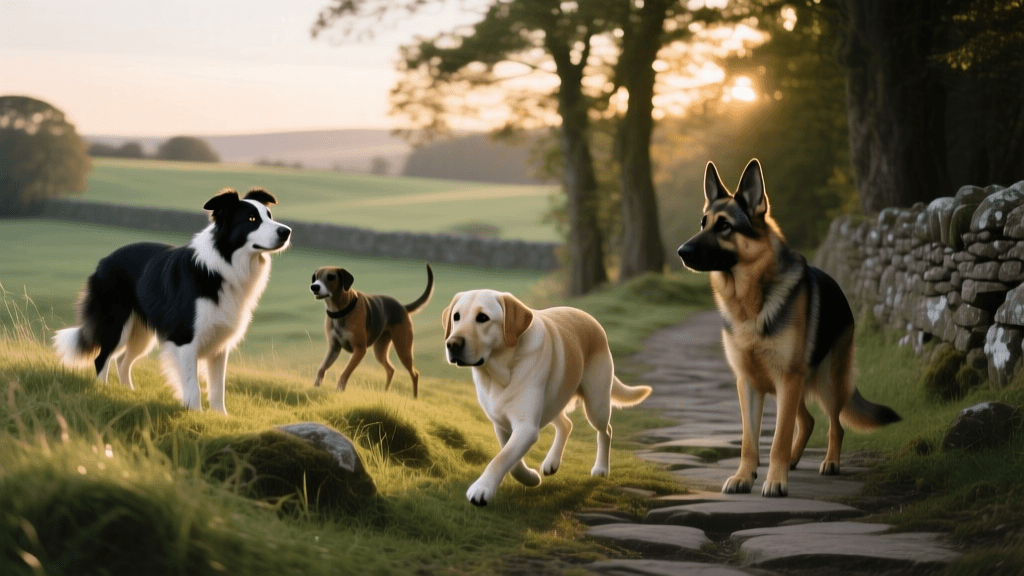
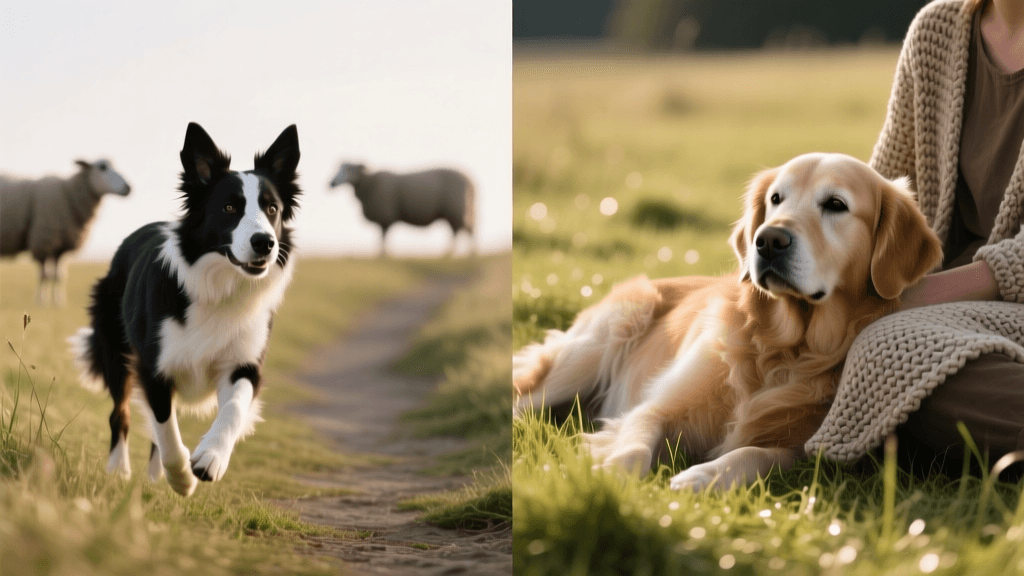
Herding vs Guardian Breeds: Understanding Canine Instincts
Discover the psychological differences between herding and livestock guardian breeds. Learn which working dog instinct matches your lifestyle and home.
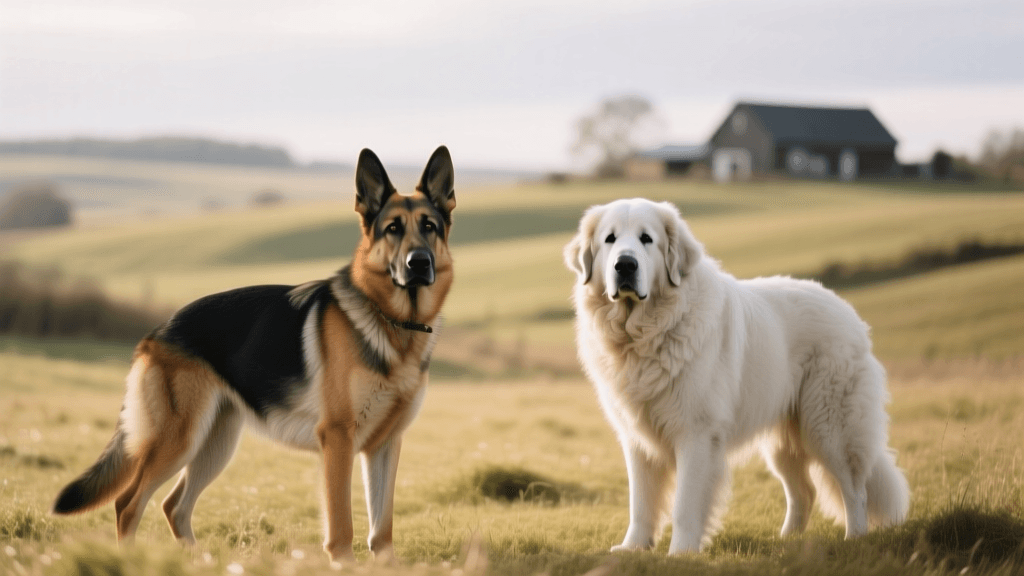
When prospective dog owners picture a "farm dog," they often envision a rugged, intelligent canine roaming the pastures. However, lumping all working farm dogs into a single psychological category is a critical error that leads to countless shelter surrenders. The two most prominent types of agricultural canines—herding breeds and livestock guardian breeds (LGDs)—possess fundamentally opposing psychological wiring. Understanding the deep-seated instincts of these dogs is crucial before bringing one into your home.
The Psychology of the Herding Dog
Herding breeds, such as the Border Collie, Australian Shepherd, and Australian Cattle Dog, were selectively bred to control the movement of other animals. According to the American Kennel Club's Herding Group profiles, these dogs are characterized by their intense focus, high energy, and innate prey drive that has been modified to stop short of the kill.
Psychologically, a herding dog is a micromanager. They are hardwired to look to a human handler for direction and to react instantly to movement. In a domestic setting, this translates to a dog that will herd running children, nip at the heels of joggers, and chase passing cars. Their brains require constant, structured problem-solving. Without a "job," a herding dog's psychology turns inward, often resulting in neurotic behaviors like shadow-chasing, obsessive licking, or severe separation anxiety.
The Mindset of the Livestock Guardian
Conversely, Livestock Guardian Dogs (LGDs) like the Great Pyrenees, Anatolian Shepherd, and Maremma Sheepdog were bred to blend in with the flock and protect it from predators. Unlike herders, LGDs operate with profound independence. They do not look to humans for step-by-step instructions; they make their own risk assessments.
An LGD's psychological profile is defined by low prey drive toward their "flock" (which can include family members and small pets) but high territorial aggression toward perceived threats. They are nocturnal by nature, as predators typically strike at night. In a suburban home, this independent, protective mindset can manifest as extreme stubbornness, a refusal to recall, and deep, booming barking at the rustle of leaves at 2:00 AM. Understanding these traits is vital, as detailed in resources like Penn State Extension's guide on LGDs.
Head-to-Head Comparison: Instincts and Home Life
To truly understand how these breeds differ, we must look past their physical appearances and examine their behavioral responses to everyday stimuli. The following table breaks down the core psychological differences between herding breeds and guardian breeds.
| Trait | Herding Breeds (e.g., Border Collie) | Guardian Breeds (e.g., Great Pyrenees) |
|---|---|---|
| Primary Drive | Controlling movement (chase & herd) | Territorial protection & bonding |
| Response to Strangers | Aloof or friendly, looks to handler | Suspicious, physically blocks access |
| Trainability | Highly biddable, eager to please | Independent, questions commands |
| Exercise Needs | High (60-90+ mins active running) | Moderate (patrolling, walking) |
| Barking Style | Excitement, alert, high-pitched | Warning, nocturnal, deep & booming |
| Prey Drive | High (modified to herd, not kill) | Low to flock, high to predators |
Key Takeaways from the Comparison
- Trainability vs. Independence: Herders want to work with you; LGDs work for the flock, with or without you.
- Reaction to Strangers: A herder might be aloof but will look to you for cues. An LGD will physically place themselves between you and a stranger, assessing the threat level independently.
- Vocalization: Herders bark to excite or move prey (rapid, sharp). LGDs bark to warn off predators (deep, resonant, often nocturnal).
Matching the Instinct to Your Lifestyle
Selecting between a herder and a guardian requires a brutally honest assessment of your lifestyle, living situation, and tolerance for specific canine behaviors.
Who Should Choose a Herding Breed?
Herding breeds thrive with active owners who view dog training as a daily hobby rather than a chore. If you enjoy hiking, running, or participating in dog sports like agility, flyball, or obedience trials, a herder will be your ultimate partner. They require a minimum of 60 to 90 minutes of rigorous, heart-pumping exercise daily, combined with intense mental stimulation. They are best suited for homes where someone is present for much of the day, as their pack-oriented psychology makes them prone to isolation distress.
Who Should Choose a Guardian Breed?
Guardian breeds are ideal for rural or semi-rural property owners who need a natural deterrent for wildlife and value a calm, low-energy companion indoors. LGDs do not require miles of running; instead, they require space to patrol. They are perfectly content to sleep on the porch all day, provided they have a secure perimeter to monitor. However, they are not recommended for first-time dog owners or those living in dense suburban neighborhoods with strict noise ordinances, due to their nocturnal barking habits and aloofness with strangers.
Management, Enrichment, and Real-World Costs
Managing these distinct psychological profiles requires specific tools and financial investment.
Enriching the Herding Dog
To satisfy a herder's need to chase and problem-solve, invest in a flirt pole (such as the Squishy Face Studio Flirt Pole, approx. $35) to simulate prey movement safely in a small yard. For mental enrichment, puzzle toys like the Outward Hound Nina Ottosson Dog Brick ($25-$30) are essential to tire out their busy brains. Furthermore, enrolling in Treibball (urban herding) or agility classes will cost roughly $150 to $200 for a six-week session but will save your furniture from destructive boredom.
Securing the Guardian Dog
LGDs are notorious roamers if they feel their territory is threatened or incomplete. Standard 4-foot fences are insufficient. You must invest in a minimum 5-to-6-foot privacy or woven wire fence. To prevent climbing, installing coyote rollers (approx. $300-$500 for a DIY kit) along the fence line is highly recommended. Additionally, because LGDs are independent and may ignore recall commands if they spot a coyote, a GPS tracking collar like the Fi Series 3 ($149 plus subscription) is a non-negotiable safety measure for off-leash property patrols.
The Cost of Misunderstanding Breed Psychology
The most tragic consequence of ignoring breed-specific psychology is the high rate of surrender to animal shelters. Many families adopt an Australian Shepherd expecting a lazy farm aesthetic, only to surrender the dog when it begins nipping at toddlers or destroying the drywall out of under-stimulation. Similarly, Great Pyrenees are frequently surrendered when owners realize their "fluffy teddy bear" will bark at the wind all night and refuse to obey basic recall commands.
As noted in behavioral literature regarding understanding prey drive and instinctual behaviors, you cannot train the genetics out of a dog. You can manage them, you can redirect them, but you cannot erase thousands of years of selective breeding.
Conclusion
Choosing a dog based on their historical job title is not enough; you must understand the psychological engine that drives them. Herding dogs are the high-octane, micromanaging athletes of the canine world, requiring constant direction and physical exertion. Livestock guardians are the stoic, independent night-watchmen, requiring space, autonomy, and a tolerant approach to their protective instincts. By respecting these profound psychological differences, you can ensure a harmonious match between your lifestyle and your future canine companion.
aaron-whyte
All our authors care for dogs every day — read more of their work on the authors page.