Understanding Breed Instincts: Match Dog Drives To Your Life
Discover how to match your lifestyle with your dog's natural breed instincts. Compare herding, hunting, and guarding drives for a perfect fit.
The Psychology Behind Breed Instincts
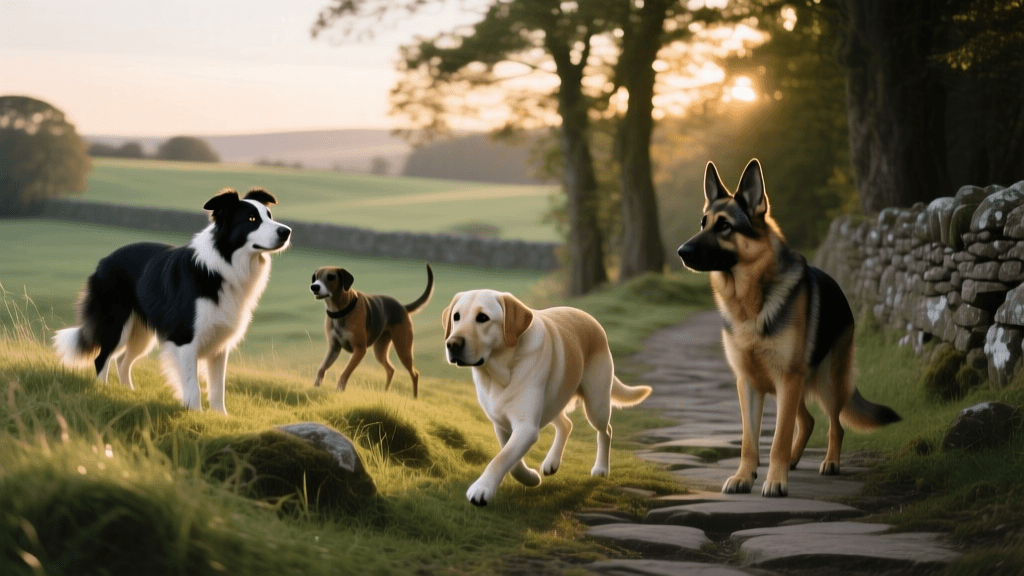
When we look into our dog's eyes, we are not just seeing a beloved pet; we are looking at thousands of years of selective breeding, genetic engineering, and deeply ingrained survival psychology. Understanding your dog's breed instincts is the single most important factor in predicting their behavior, preventing destructive habits, and ensuring a harmonious household. Dogs were not originally bred to be couch companions; they were created to herd livestock, hunt vermin, guard estates, and pull sleds. When these deeply rooted genetic drives are ignored or suppressed in a modern suburban environment, the result is often frustration, anxiety, and behavioral issues.
According to the American Kennel Club's guide on breed selection, matching a dog's inherent energy levels and instinctual drives to your daily lifestyle is critical for long-term success. A high-drive herding dog placed in a sedentary apartment will inevitably find a 'job' to do—which usually involves herding your children, nipping at your heels, or destructively dismantling your furniture. By understanding the psychology behind these drives, prospective owners can make informed decisions, and current owners can provide the specific enrichment their dogs desperately need.
Decoding the Three Major Drive Categories
To truly understand your dog, you must categorize their primary genetic motivations. While every dog is an individual, most breeds fall heavily into one of three primary instinctual categories: Herding, Hunting/Prey, and Guarding.
1. Herding Instincts: The Control Freaks
Common Breeds: Border Collie, Australian Shepherd, Pembroke Welsh Corgi, Shetland Sheepdog.
The Psychology: Herding breeds possess an intense psychological need to control movement. In the field, this translates to stalking, circling, and nipping at the heels of livestock. In a home environment, this drive can manifest as chasing cars, obsessively staring at moving objects (like shadows or ceiling fans), and nipping at running children. Herding dogs are highly intelligent and require intense mental stimulation; physical exercise alone is rarely enough to tire them out.
Actionable Management: Channel this drive into structured activities like Treibball (a sport where dogs herd large exercise balls into a goal) or agility training. Expect to spend $150 to $300 on a 6-week agility course. For daily home enrichment, use a KONG Wobbler ($15-$25) or a Snuffle Mat ($25-$40) to force them to use their brains to 'work' for their meals.
2. Hunting and Prey Drives: The Chasers and Diggers
Common Breeds: Jack Russell Terrier, Beagle, Greyhound, Dachshund, Siberian Husky.
The Psychology: Hunting breeds are hardwired to seek, stalk, chase, and sometimes dispatch prey. Terriers were bred to dig into burrows and kill vermin, meaning they will happily destroy your garden beds. Scent hounds like Beagles are governed by their noses; when they catch an interesting scent, their recall (ability to return when called) drops to near zero because their brain is entirely flooded with dopamine from the olfactory stimulation.
Actionable Management: Never trust a high-prey-drive dog off-leash in an unsecured area. Instead, utilize a Flirt Pole ($30-$50) in a fenced yard to simulate the chase-and-catch sequence safely. For scent hounds, organize daily 'sniffaris'—walks where the dog is allowed to stop and sniff every bush and tree for as long as they want. This mental processing is equivalent to miles of physical running for a hound.
3. Guarding and Protective Drives: The Sentinels
Common Breeds: Great Pyrenees, Mastiff, German Shepherd, Anatolian Shepherd, Rottweiler.
The Psychology: Livestock Guardian Dogs (LGDs) and personal protection breeds are independent thinkers. Unlike herding dogs that look to humans for direction, guarding breeds were bred to make life-or-death decisions on their own while protecting flocks from wolves. This results in a dog that is naturally wary of strangers, highly territorial, and prone to deep, booming alarm barking at the perimeter of your property.
Actionable Management: Early and intense socialization is non-negotiable. The critical socialization window occurs between 3 and 14 weeks of age. You must expose the puppy to hundreds of different people, surfaces, and sounds during this time. Teach a rock-solid 'Place' command to give the dog a designated observation post where they can watch the house without patrolling the fence line. Budget for private behavioral consultations, which typically cost $150 to $250 per hour, to ensure safe handling of large guardian breeds.
Breed Drive Comparison Chart
| Drive Category | Core Motivation | Destructive Outlet (If Unmet) | Healthy Enrichment Outlet |
|---|---|---|---|
| Herding | Controlling movement and environment | Nipping heels, chasing cars, shadow-staring | Treibball, Agility, Puzzle Feeders |
| Hunting/Prey | Chasing, digging, and scent tracking | Escaping yards, digging holes, killing small wildlife | Flirt poles, Scent work, Lure coursing |
| Guarding | Territory defense and flock protection | Aggression toward guests, excessive fence barking | Structured 'Place' training, controlled socialization |
Actionable Steps for Selection and Management
If you are in the process of selecting a dog, or if you are struggling to manage your current dog's behavior, follow these practical steps to align your lifestyle with canine psychology.
Step 1: Audit Your Lifestyle Honestly
Before bringing a dog home, evaluate your daily routine. If you work 10-hour days away from home, a velcro breed like a Weimaraner or a high-drive Border Collie will likely develop severe separation anxiety. The Humane Society of the United States strongly recommends matching the dog's exercise needs to your actual, not aspirational, daily schedule. If you only have 30 minutes a day for a walk, look toward low-drive companion breeds like the Greyhound (surprisingly lazy indoors) or the Basset Hound.
Step 2: Budget for Instinctual Enrichment
Owning a high-drive dog requires a financial commitment to enrichment. Beyond basic food and veterinary care, you should budget approximately $50 to $100 per month on rotational toys and enrichment tools. Essential items include:
- Outward Hound Hide-A-Squirrel ($15-$20): Excellent for terriers to practice the 'shake and kill' prey sequence safely.
- Jolly Ball ($20-$30): An indestructible, hard plastic ball that herding breeds can push around the yard, satisfying their need to move large objects.
- Lickimats ($10-$15): Spreading wet food or peanut butter on these textured mats and freezing them provides 20-30 minutes of soothing, anxiety-reducing licking behavior, which is excellent for guarding breeds that need help decompressing.
Step 3: Prioritize Early Socialization and Training
Genetics load the gun, but the environment pulls the trigger. A guarding breed with poor socialization becomes a liability; a hunting breed with poor recall becomes a lost dog. The American Veterinary Medical Association (AVMA) emphasizes the importance of early veterinary-guided socialization to prevent behavioral euthanasia later in life. Enroll your puppy in a well-run kindergarten class between 8 and 16 weeks of age to build confidence and establish a communication baseline.
"A dog's breed dictates their default settings. You cannot erase thousands of years of genetics with a stern 'no.' Instead, you must provide an acceptable, species-appropriate outlet for the behaviors they were born to perform."
Conclusion
Understanding your dog's breed instincts is the ultimate key to unlocking a peaceful, joyful relationship. When we stop viewing instinctual behaviors as 'bad habits' and start seeing them as unfulfilled biological needs, our entire approach to dog ownership shifts. By matching the right drive to your lifestyle, providing targeted enrichment, and respecting the psychology of the canine mind, you transform potential behavioral disasters into brilliant, purpose-driven partnerships. Whether your dog was born to herd sheep, hunt badgers, or guard a flock, giving them a 'job' that fits your modern life is the greatest gift you can offer.
jonas-cole
All our authors care for dogs every day — read more of their work on the authors page.