Decoding Puppy Biting: A First-Time Owner's Guide
Discover why puppies bite and learn proven, gentle methods to stop mouthing. Essential reading and practical tips for first-time dog owners.
The Shock of the Needle Teeth: Welcome to Puppyhood
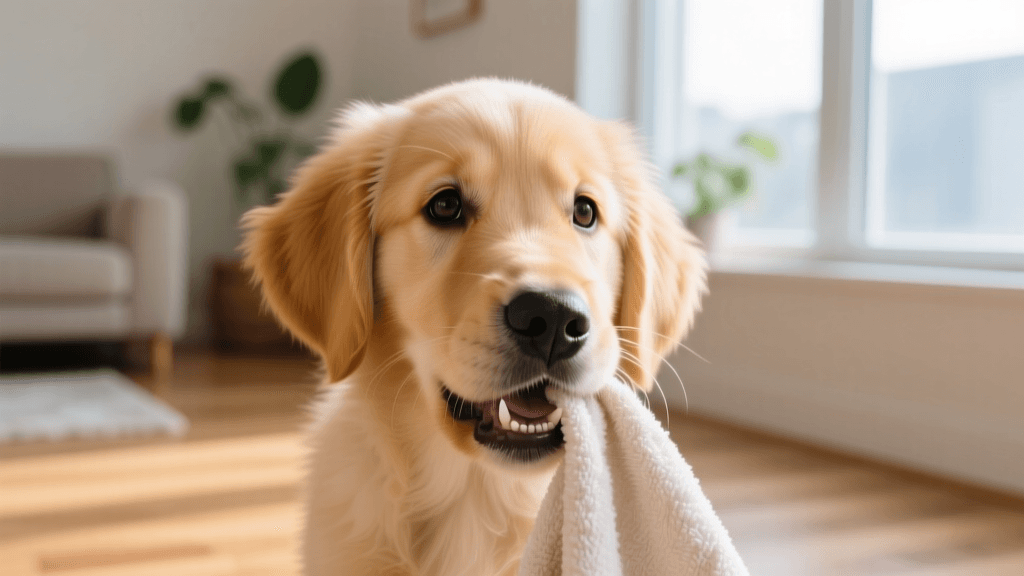
Bringing a new puppy home is one of life's greatest joys, but first-time owners are often caught off guard by one harsh reality: puppy teeth are incredibly sharp, and puppies love to use them. If you are currently sporting bruises, scratches, and chewed-up shoelaces, take a deep breath. You are not alone, and your puppy is not 'aggressive.' Mouthing and biting are entirely normal developmental stages for young canines. However, understanding the psychology behind this behavior and knowing exactly how to respond is critical for raising a well-mannered adult dog. This comprehensive guide will walk you through the 'why' and 'how' of puppy biting, providing actionable, science-backed strategies to save your skin and your sanity.
The Psychology Behind Puppy Biting
To effectively address puppy biting, we must first understand canine psychology. Dogs do not have hands to explore their environment, pick up objects, or initiate play. Instead, they use their mouths. According to the American Kennel Club (AKC), mouthing is a primary way puppies interact with the world, map their surroundings, and communicate with their littermates.
In a natural setting, puppies learn 'bite inhibition' from their siblings and mother. When a puppy bites a littermate too hard, the sibling will yelp and stop playing. This immediate withdrawal of attention teaches the biter that hard bites end the fun. When puppies are separated from their littermates at eight weeks of age and enter a human home, they often haven't fully mastered this skill. It becomes the first-time owner's responsibility to step into the role of the littermate and teach the puppy how to control the pressure of their jaw.
The Canine Teething Timeline
Not all biting is purely behavioral; much of it is driven by physical discomfort. Puppies go through a rapid teething process that can cause swollen gums, itching, and a desperate need to chew. Understanding this timeline helps you anticipate when your puppy will need the most relief.
- 2 to 4 Weeks: Deciduous (baby) incisors begin to emerge.
- 5 to 6 Weeks: Baby canines and premolars come in. By week six, the puppy has a full set of 28 razor-sharp baby teeth.
- 12 to 16 Weeks: The adult teeth begin to push through the gums, causing the baby teeth to fall out. This is often the peak period for intense chewing and mouthing.
- 6 Months: The puppy should have a full set of 42 adult teeth.
During the 12-to-16-week window, providing appropriate, soothing outlets for their sore gums is non-negotiable. We will cover specific product recommendations for this phase below.
Decoding the Bite: A Comparison Chart
First-time owners frequently panic, wondering if their puppy's biting is a sign of future aggression. It is vital to differentiate between normal developmental mouthing and true behavioral red flags. Use the table below to decode your puppy's body language.
| Behavior Type | Body Language | Common Triggers | First-Time Owner Action |
|---|---|---|---|
| Play Mouthing | Relaxed, wiggly body, play bows, floppy ears, open relaxed mouth. | Excitement, greeting you at the door, interactive play sessions. | Redirect to a toy or initiate a reverse time-out. |
| Teething Discomfort | Drooling, chewing on hard furniture, whimpering, pawing at the mouth. | Eruption of adult teeth (typically 3 to 6 months of age). | Provide chilled, textured chew toys to soothe gums. |
| Fear or Aggression | Stiff body, 'whale eye' (showing whites of eyes), raised hackles, deep growling, snapping. | Resource guarding (food/toys), being cornered, pain, or severe fear. | Stop interaction immediately; do not punish; consult a certified behaviorist. |
Actionable Strategies to Stop Mouthing
Now that you understand the 'why,' let's focus on the 'how.' Here are proven, positive-reinforcement methods to teach your puppy to keep their teeth off human skin.
1. The Redirection Method
Never leave a puppy without an appropriate alternative. Keep a basket of approved chew toys in every room of your house. When your puppy's teeth touch your skin, immediately say a neutral marker word like 'Oops!' or 'Too bad,' withdraw your hand, and present a toy. When they bite the toy, praise them enthusiastically.
Recommended Products:
- KONG Classic (Red) - Approx. $15: The gold standard for puppy chewing. For teething puppies, plug the small hole with peanut butter (xylitol-free), fill the cavity with plain pumpkin puree or plain yogurt, and freeze it for 4 hours. The cold numbs sore gums, and the mental enrichment tires them out.
- Nylabone Puppy Power Chew Rings - Approx. $9: Designed specifically for the softer jaws of puppies, featuring raised bristles that help clean teeth and massage gums.
- Benebone Wishbone (Puppy) - Approx. $13: Made with softer nylon and real bacon flavor, ergonomically designed for puppies to grip easily.
2. The Reverse Time-Out
If redirection fails and the puppy continues to latch onto your clothes or skin, it is time for a reverse time-out. Instead of putting the puppy in a crate (which can create negative associations with their sleeping space), you leave the puppy.
The Timing: The moment teeth touch skin, say 'Too bad,' stand up, cross your arms, and turn your back for exactly 30 to 60 seconds. If the puppy stops, turn back and engage. If they bite again, repeat the process or step entirely out of the room behind a baby gate for 60 seconds. This mimics the littermate dynamic: biting makes the fun human disappear.
3. Enforced Naps
A massive percentage of puppy biting is simply the result of overtiredness. Puppies require 18 to 20 hours of sleep per day. Just like a cranky toddler, an exhausted puppy will bite harder, listen less, and become hyperactive. If your puppy has been awake for more than 90 minutes and turns into a landshark, do not try to train them. Put them in their crate or a quiet playpen with a soothing toy, like the Snuggle Puppy Heartbeat Toy (Approx. $40), and let them sleep. You will often wake up to a completely different, calmer dog.
The Danger of Aversive Punishment
In the past, outdated training advice suggested holding a puppy's mouth shut, tapping their nose, or performing 'alpha rolls' to establish dominance when they bit. Modern veterinary and behavioral science strongly advises against these methods. The American Veterinary Society of Animal Behavior (AVSAB) explicitly warns that aversive punishment can suppress the warning signs of stress (like growling) without fixing the underlying emotion, leading to dogs that bite without warning later in life. Furthermore, physical punishment damages the trust between you and your new dog, replacing a bond of mutual respect with one of fear. Always opt for positive reinforcement, redirection, and management.
Management: Setting Your Puppy Up for Success
While training is ongoing, management prevents bad habits from forming. If you know your puppy gets bitey when guests arrive, proactively put them behind a baby gate or give them a frozen KONG in their pen before the doorbell rings. If they love to bite your ankles while you cook, tether them to a sturdy piece of furniture with a chew toy, or place them in a playpen. Management is not a failure of training; it is a vital tool to prevent the rehearsal of unwanted behaviors while the puppy's brain matures.
When to Seek Professional Help
Most puppy biting resolves significantly by the time the adult teeth fully erupt at six months of age, provided the owner is consistent with redirection and bite inhibition training. However, you should seek professional help if:
- The biting is accompanied by stiff body language, deep growling, or resource guarding.
- The puppy breaks the skin consistently and shows no signs of bite inhibition by 16 weeks of age.
- You feel overwhelmed, frustrated, or find yourself resorting to physical punishment.
Cost Expectations: Hiring a Certified Professional Dog Trainer (CPDT-KA) for in-home private sessions typically costs between $100 and $200 per hour. If the issue is rooted in severe fear or aggression, a Veterinary Behaviorist (a veterinarian who has completed a residency in animal behavior) may be required, with initial consultations ranging from $250 to $400. According to the ASPCA, early intervention by a qualified professional is the best way to ensure a behavioral issue does not become a lifelong liability.
Final Thoughts for the First-Time Owner
Puppy biting is a marathon, not a sprint. There will be days when you feel like you are making no progress, followed by weeks where the behavior suddenly clicks. Consistency is your greatest asset. Ensure every family member and visitor follows the exact same rules: no wrestling with hands, immediate redirection to toys, and reverse time-outs for skin contact. By combining an understanding of canine psychology with proactive management and positive reinforcement, you will guide your sharp-toothed landshark into a gentle, well-mannered adult companion.
beth-carrasco
All our authors care for dogs every day — read more of their work on the authors page.