Herding vs Sporting Breeds: Training and Selection Guide
Discover the key training differences between herding and sporting breeds. Learn which group suits your lifestyle, complete with actionable tips and gear.
Selecting the Right Breed for Your Training Lifestyle
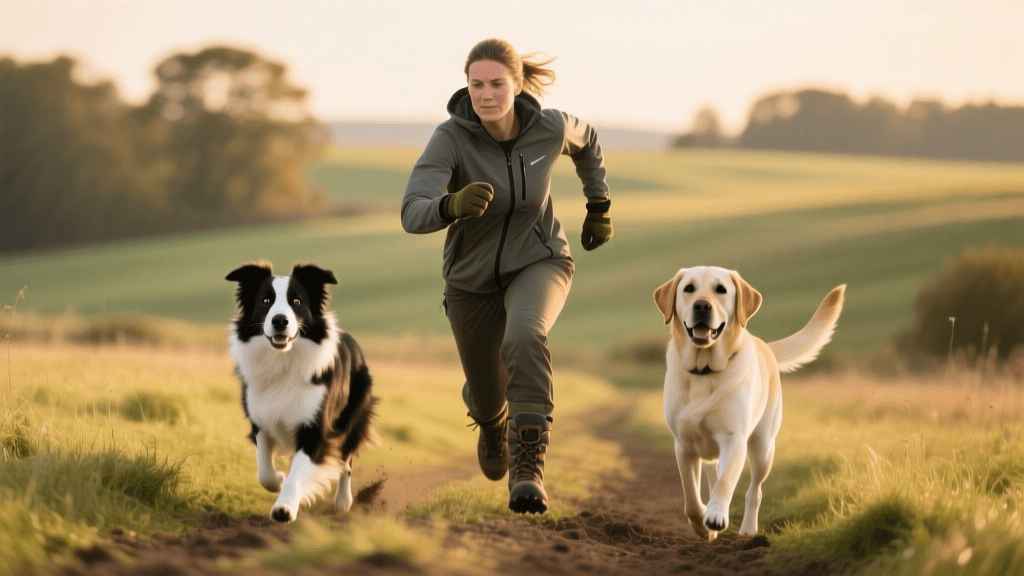
Selecting the right dog breed is about much more than just aesthetics; it is about matching a dog's genetic predispositions to your lifestyle, environment, and training capabilities. When prospective owners browse shelters or breeders, they often fall in love with a dog's appearance without considering the centuries of selective breeding that shaped its brain and behavior. Two of the most popular, yet fundamentally different, categories of dogs are the Herding Group and the Sporting Group. According to the American Kennel Club (AKC), these groups were developed for entirely different jobs, which translates to vastly different training needs in a modern domestic setting. Understanding these distinctions is crucial for a harmonious household and a well-adjusted dog.
The Herding Group: Bred to Control Movement
Herding breeds, such as the Border Collie, Australian Shepherd, and Shetland Sheepdog, were selectively bred to control the movement of livestock. This required intense focus, stamina, and an innate desire to chase and nip at the heels of moving animals. In a suburban environment without sheep, these genetic drives do not simply disappear. Instead, they are often redirected toward moving cars, bicycles, children, or other household pets.
Training Focus: Impulse Control and Boundaries
The primary training goal for herding breeds is impulse control. Because they are highly reactive to motion, teaching them to remain calm in the presence of triggers is essential. Herding dogs are incredibly intelligent and learn commands rapidly, but they can also learn bad habits just as quickly if not managed properly. They require mental stimulation just as much as physical exercise. A simple walk around the block will not suffice; they need jobs to do.
Actionable Drill: The 'Place' Command
The 'Place' command is a cornerstone for herding breeds, giving them a designated 'flock' to watch and a boundary to respect.
- Step 1: Use a raised cot (such as a Kuranda Dog Bed, which costs approximately $120 and provides joint support) and lure the dog onto it with a high-value treat like freeze-dried liver.
- Step 2: Mark the behavior with a clicker or a verbal 'Yes!' the exact moment all four paws are on the bed.
- Step 3: Reward the dog on the bed and give a release cue like 'Free'.
- Step 4: Gradually increase the duration before the reward, building up to 10 to 15 minutes of calm settling while household activity happens around them.
The Sporting Group: Bred to Partner and Retrieve
Sporting breeds, including the Labrador Retriever, Golden Retriever, and various Spaniels and Pointers, were bred to work closely with human hunters. Their jobs involved flushing game, pointing, and retrieving fallen birds with a 'soft mouth' to avoid damaging the prize. Unlike herding dogs that work somewhat independently at a distance, sporting breeds are wired to check in with their handlers and work as a cooperative team.
Training Focus: Recall and Object Control
Sporting breeds are typically highly motivated by food and toys, making them exceptionally responsive to positive reinforcement training. However, their strong prey drive and scent-tracking abilities mean they can easily become distracted by environmental stimuli, such as wildlife or interesting odors. Training must focus on building a rock-solid recall and teaching them how to properly interact with objects in their mouths.
Actionable Drill: The Two-Toy Swap for 'Drop It'
Teaching a reliable 'Drop It' is critical for the safety and sanity of living with a retriever. The two-toy swap utilizes their natural desire to retrieve without turning it into a game of keep-away.
- Step 1: Throw a durable toy (like a $15 Kong Classic) and let the dog retrieve it.
- Step 2: As the dog returns, reveal a second identical toy and move it erratically near the ground to trigger their prey drive.
- Step 3: The dog will naturally drop the first toy to grab the second. Say 'Drop It' exactly as they open their mouth.
- Step 4: Throw the second toy and pick up the first, repeating the cycle to build a positive association with releasing objects.
Head-to-Head Comparison Chart
When deciding between these two groups, it is helpful to view their core traits side-by-side. The Humane Society of the United States emphasizes that matching a dog's energy level and behavioral tendencies to your daily routine is the most significant factor in preventing rehoming.
| Trait | Herding Breeds | Sporting Breeds |
|---|---|---|
| Primary Drive | Controlling movement, stalking, nipping | Retrieving, scent tracking, partnering |
| Handler Focus | Independent thinkers, watchful | Highly biddable, eager to please |
| Common Behavioral Issues | Chasing cars/kids, reactivity, neuroticism | Mouthing, counter-surfing, wandering off-scent |
| Daily Exercise Need | 90-120+ minutes (heavy mental stimulation) | 60-90 minutes (heavy physical exertion) |
| Ideal Owner Profile | Active trainers, agility enthusiasts, farmers | Hikers, hunters, families, first-time owners |
Essential Training Gear and Budgeting
Equipping yourself with the right tools can drastically reduce training frustration and ensure safety. Here is a breakdown of breed-specific gear recommendations and estimated costs:
For the Herding Dog
- 15-Foot Biothane Long Line ($25 - $35): Essential for practicing recall in open fields without the risk of the dog bolting after a squirrel. Biothane is preferred over nylon because it does not absorb mud or water and is easy to wipe clean.
- Flirt Pole ($30 - $45): A giant wand with a lure attached. This allows you to satisfy the dog's herding and chasing instincts in a controlled manner in your backyard, saving your joints from endless running.
- Snuffle Mat ($20 - $40): Herding dogs need mental exhaustion. Hiding kibble in a snuffle mat forces them to use their noses and brains, which can be as tiring as a three-mile run.
For the Sporting Dog
- Chuckit! Ball Launcher ($15 - $25): Retrievers love to run. A manual launcher saves your shoulder and allows you to throw a ball up to 140 feet, maximizing their physical workout in a smaller footprint.
- Front-Clip No-Pull Harness ($30 - $50): Sporting breeds can be strong pullers when they catch an interesting scent. A front-clip harness, like the Ruffwear Front Range, gently redirects their momentum back toward you without choking them.
- Scent Work Kits ($25 - $40): Birches or anise scent oils hidden in cardboard boxes allow you to tap into their pointing and flushing genetics right in your living room.
The Critical Socialization Window
Regardless of whether you choose a herding or sporting breed, early socialization is non-negotiable. The American Veterinary Society of Animal Behavior (AVSAB) notes that the primary and most critical window for puppy socialization closes between 12 and 16 weeks of age. During this time, puppies must be exposed to a wide variety of surfaces, sounds, people, and other vaccinated dogs to prevent fear-based aggression and anxiety later in life.
For herding breeds, socialization must specifically target moving objects to prevent severe reactivity. For sporting breeds, socialization should focus on handling exercises and exposing them to loud noises (like dropped pans or distant thunder recordings) to ensure they remain steady and confident in the field or at home. Enrolling in a well-managed puppy kindergarten class (typically costing $150 to $250 for a six-week course) is one of the best investments a new owner can make.
Making Your Final Selection
Choosing between a herding and a sporting breed ultimately comes down to how you wish to spend your free time. If you are passionate about dog sports, agility, and intricate trick training, and you have the patience to manage a dog that is always 'on,' a herding breed will be a deeply rewarding partner. They will challenge you to become a better, more consistent trainer.
Conversely, if you want a rugged companion for long hikes, weekend camping trips, and casual games of fetch, who will happily curl up at your feet in the evening without needing a complex mental puzzle to solve, a sporting breed is likely the superior choice. By respecting their genetic blueprints and providing the specific training and outlets they require, you set the stage for a lifetime of loyalty and companionship.
tom-renshaw
All our authors care for dogs every day — read more of their work on the authors page.