Using Hand-Feeding and Treat Hierarchies in Dog Training
Discover how hand-feeding and a structured treat hierarchy can skyrocket your dog's focus, obedience, and food motivation during training sessions.
The Intersection of Nutrition and Canine Obedience
When most dog owners think about obedience training, they picture leashes, clickers, and training pads. However, one of the most powerful tools in a professional dog trainer’s arsenal isn’t a piece of equipment at all—it’s your dog’s daily diet. Food is the ultimate currency in the canine world. By strategically leveraging your dog's nutrition and feeding routines, you can dramatically accelerate behavioral conditioning, improve focus, and build a deeper bond of trust.
At Paws-Tales, we believe that successful training goes far beyond simple commands; it requires a holistic approach that includes Nutrition & Feeding Strategies. In this comprehensive guide, we will explore the science of food motivation, how to implement a hand-feeding protocol, and how to build a strategic treat hierarchy that turns a distracted pup into an obedient companion without compromising their physical health.
The Foundation: Hand-Feeding for Focus and Bonding
Hand-feeding is exactly what it sounds like: feeding your dog their daily meals by hand rather than from a bowl. While it might sound tedious, this strategy is a cornerstone of early puppy training and behavioral rehabilitation for rescue dogs. When you control the food, you become the center of your dog’s universe.
How to Implement a Hand-Feeding Protocol
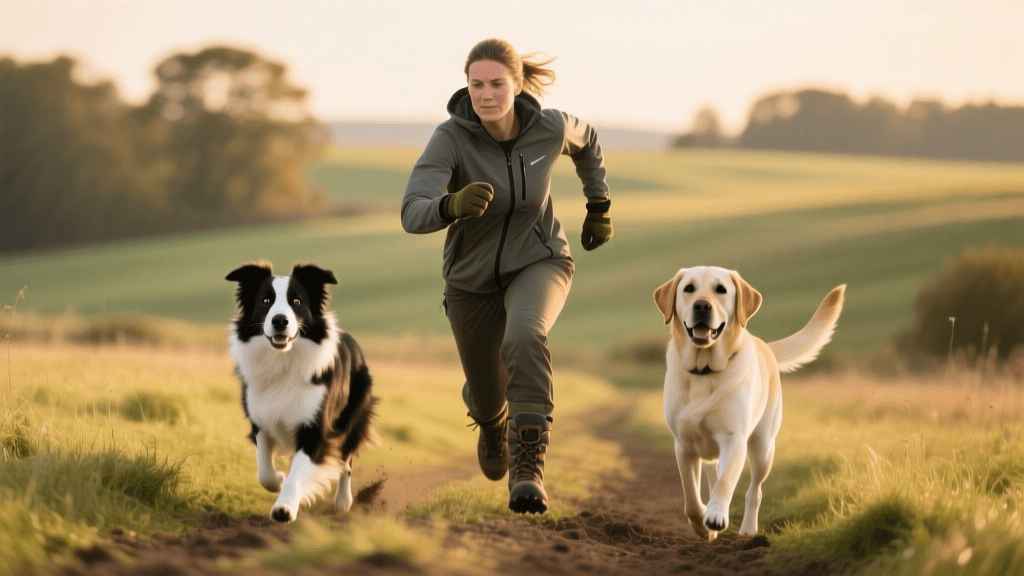
- Measure the Daily Ration: Start by measuring your dog’s exact daily caloric requirement. For example, an active 40-pound Border Collie might require 2.5 cups of a high-quality kibble like Purina Pro Plan Sport per day.
- Ditch the Bowl: Place the morning portion into a durable training treat pouch or a large ziplock bag. Keep it on your person during the day.
- Work for Every Bite: Ask for a simple behavior before offering a piece of kibble. A quick "sit," a "look at me" (eye contact), or a "touch" (hand targeting) are perfect prerequisites.
- End on a Positive Note: If you run out of training time but still have kibble left in the pouch, simply feed the remainder in a calm, quiet environment to ensure your dog receives their full nutritional requirement without overfeeding.
Hand-feeding teaches dogs that engaging with you is the most rewarding activity in the room. It is particularly effective for dogs with low food drive or those who are easily distracted by their environment.
Building a Strategic Treat Hierarchy
One of the most common mistakes novice trainers make is using the same treat for every scenario. If you are trying to teach a reliable recall while your dog is chasing a squirrel, a piece of dry kibble simply won't cut it. You must establish a Treat Hierarchy based on value, palatability, and scent.
Low-Value Rewards
These are your dog's standard daily kibble or bland, dry biscuits. Use low-value rewards in low-distraction environments (like your living room) for behaviors your dog already knows well, such as basic maintenance of "sit" or "down."
Medium-Value Rewards
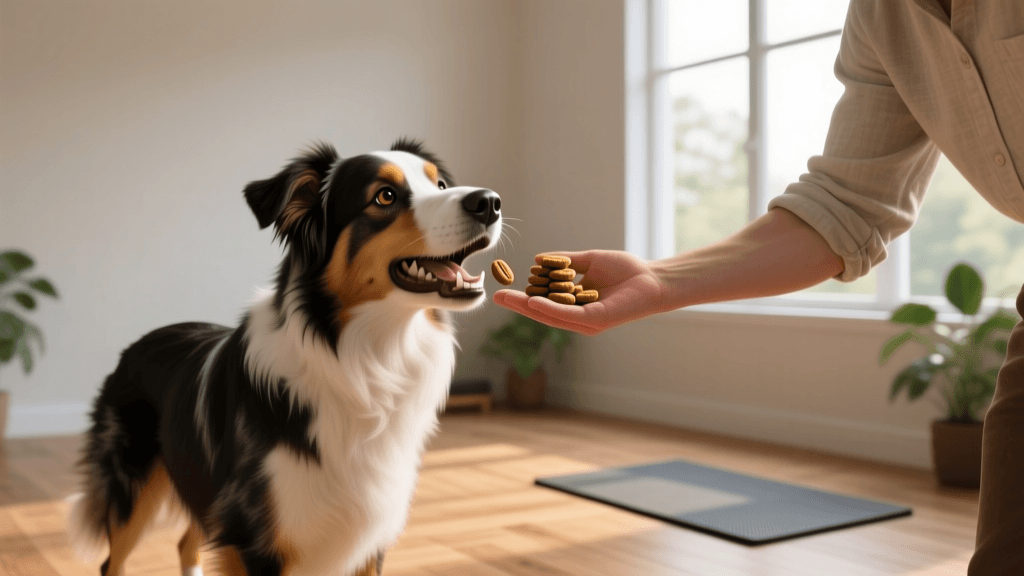
These are commercial, soft-moist training treats. They are smelly, easy to chew quickly, and highly palatable. Excellent examples include Zuke’s Mini Naturals (roughly 3 calories per treat) or Blue Buffalo Bits. Use these when teaching entirely new tricks or when training in a mildly distracting environment, like your fenced backyard.
High-Value Rewards
High-value treats are the "jackpot." These are usually fresh, pungent, and meat-based. Think boiled, unseasoned chicken breast, low-fat string cheese, or freeze-dried beef liver like Stewart Pro-Treat. Reserve these for high-stakes training: recall in an open park, counter-conditioning to fear triggers (like loud noises or strange dogs), or nail trimming desensitization.
Treat Hierarchy Comparison Chart
| Value Level | Examples | Approx. Cost per Ounce | Best Training Scenario | Caloric Density |
|---|---|---|---|---|
| Low | Daily Kibble, Dry Biscuits | $0.15 - $0.25 | Known cues, indoor practice, hand-feeding protocols | High (Bulk volume) |
| Medium | Zuke's Mini Naturals, Soft Chews | $0.80 - $1.20 | Learning new tricks, mild outdoor distractions | Low (3-5 cal/treat) |
| High | Boiled Chicken, Freeze-Dried Liver | $1.50 - $3.00 | Recall, fear counter-conditioning, high distraction | High (Use sparingly) |
Caloric Management: Training Without the Pudge
A frequent concern among dog owners is that treat-heavy training will lead to canine obesity. This is a valid concern, but it is entirely preventable with proper nutritional management. According to the ASPCA's guidelines on dog nutrition, treats and training rewards should never make up more than 10% of your dog’s total daily caloric intake. The remaining 90% should come from a complete and balanced commercial diet.
To put this into perspective, let’s look at the math for a 50-pound Labrador Retriever requiring roughly 1,000 calories per day:
- Maximum Treat Calories: 100 calories per day.
- Medium-Value Treats (e.g., Zuke's at 3 calories each): You can safely give up to 33 treats during a training session.
- High-Value Treats (e.g., Cheese at 20 calories per small cube): Limit to 5 cubes, and only for critical training moments.
Furthermore, veterinary nutritionists emphasize the importance of tracking these hidden calories. As highlighted by experts at the Tufts Cummings School of Veterinary Medicine, failing to account for training treats is one of the leading causes of unintended weight gain in working and sporting dogs. If you have a heavy training day, simply measure out and remove an equivalent amount of kibble from your dog's dinner bowl to maintain their ideal body condition score.
Fading the Lure: From Bribery to True Obedience
Food is an excellent lure to guide a dog into a position, and an excellent reward to reinforce a behavior. However, it makes a terrible bribe. If you only show your dog the piece of chicken when you want them to sit, you are teaching them to only obey when they see the chicken.
To build reliable obedience, you must transition from a continuous reinforcement schedule (rewarding every single time) to a variable ratio schedule. The American Veterinary Society of Animal Behavior (AVSAB) strongly advocates for reward-based training methods, noting that intermittent reinforcement creates a "slot machine" effect in the canine brain. When a dog doesn't know exactly which successful "sit" will yield the jackpot reward, they will work harder and more consistently on every repetition.
Pro Tip: Keep your high-value treats hidden in a pouch or behind your back. Give the verbal cue ("Sit"), wait for the dog to comply, and then reach for the treat. The behavior must precede the sight of the food.
Troubleshooting Food Refusal During Training
What happens when your dog turns their nose up at a treat they normally love? In the training world, a dog refusing food is a vital piece of diagnostic information. It rarely means the dog isn't hungry; it usually means the dog is over their stress threshold.
Common Causes and Solutions:
- Environmental Overstimulation: If you are at a busy dog park and your dog won't eat boiled chicken, the environment is too distracting. Increase your distance from the trigger (move further away from the other dogs) until your dog feels safe enough to eat.
- Satiety: If you are training immediately after a full meal, food motivation will be low. Schedule your training sessions right before breakfast or dinner when your dog's natural hunger drive is peaking.
- Treat Fatigue: Just like humans, dogs get bored of the same flavors. Rotate your medium and high-value proteins (e.g., switch from beef liver to salmon jerky) to keep their palate engaged and their motivation high.
Conclusion: Fueling the Mind and the Body
Integrating nutrition and feeding strategies into your training regimen is a game-changer. By utilizing hand-feeding to build focus, structuring a deliberate treat hierarchy to match the difficulty of the task, and strictly managing caloric intake to ensure long-term health, you set your dog up for absolute success. Remember, every piece of kibble or cube of chicken is an opportunity to communicate with your dog. Make every bite count, and watch your dog's obedience and bond with you flourish.
robin-maitland
All our authors care for dogs every day — read more of their work on the authors page.