Best No-Pull Dog Harnesses for Leash Training: 2024 Guide
Discover the best no-pull dog harnesses for leash training. Compare top-rated front-clip harnesses, sizing tips, and expert advice to stop pulling.
The Biomechanics of Leash Pulling and Harness Design
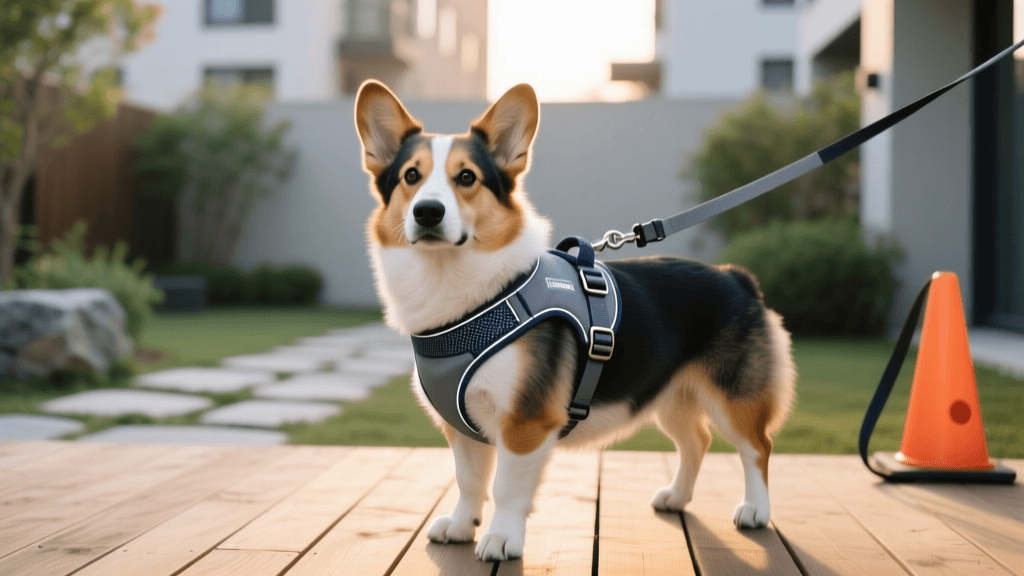
Leash pulling is consistently ranked as the most common behavioral challenge among dog owners. When a dog pulls on a traditional back-clip harness or a flat collar, it triggers the opposition reflex (thigmotaxis). Essentially, pressure against the chest or neck causes the dog to instinctively lean into the pressure and pull harder—the exact same biomechanics used to train sled dogs. To effectively teach loose-leash walking, trainers and behaviorists recommend utilizing a front-clip no-pull harness.
According to the American Kennel Club (AKC), a front-clip harness redirects the dog's forward momentum back toward the handler. When the dog pulls, the front leash attachment gently pivots the dog's chest and center of gravity sideways, making it physically difficult to continue moving forward and naturally encouraging them to look back at the handler for cues. However, a harness is a training tool, not a magic wand. It must be paired with positive reinforcement techniques to build lasting obedience.
Top 4 No-Pull Dog Harnesses Reviewed
Not all harnesses are created equal. Poorly designed gear can restrict shoulder movement, cause chafing, or fail under pressure. Below are our top picks for the best no-pull harnesses based on durability, biomechanical safety, and training efficacy.
1. Blue-9 Balance Harness (Best Overall for Behaviorists)
The Blue-9 Balance Harness is widely considered the gold standard among certified dog behaviorists. Unlike many harnesses that restrict the shoulder joint, the Balance features a Y-shaped chest plate and six independent points of adjustment. This ensures a custom fit for any breed, from deep-chested Greyhounds to barrel-chested Bulldogs. It features both a front and back leash ring, allowing you to use a double-ended leash for maximum steering control during training sessions.
- Price Range: $65 - $75
- Key Feature: 6 adjustment points; zero shoulder restriction.
- Best For: Dogs with hard-to-fit body types and professional training programs.
2. Ruffwear Front Range Harness (Best for Active Dogs)
If your training sessions involve hiking or trail running, the Ruffwear Front Range is an exceptional choice. It features a foam-padded chest and belly panel that prevents chafing during long outings. The aluminum V-ring on the chest is highly durable and provides excellent leverage for redirecting strong pullers. The shell is made from rugged, colorfast polyester that withstands mud and water.
- Price Range: $40 - $45
- Key Feature: Fleece-lined padding and rugged aluminum front ring.
- Best For: High-energy dogs and outdoor adventurers.
3. Kurgo Tru-Fit Smart Harness (Best for Safety & Car Travel)
The Kurgo Tru-Fit is unique because its steel nesting buckles are engineered based on climbing harnesses, and it has been crash-tested for use as a car restraint. The V-neck design relieves pressure on the trachea, and the padded chest plate distributes the force of pulling evenly across the sternum. It is an excellent dual-purpose tool for both daily leash training and safe vehicle transport.
- Price Range: $30 - $35
- Key Feature: Crash-tested steel buckles and V-neck trachea relief.
- Best For: Owners who want one harness for walking and driving.
4. Rabbitgoo No-Pull Dog Harness (Best Budget Option)
For those on a strict budget, the Rabbitgoo harness offers impressive value. Constructed from durable Oxford fabric with breathable air mesh, it features a sturdy front metal leash ring and reflective strips for low-light visibility. While it lacks the premium customization of the Blue-9, it provides reliable front-clip redirection for everyday neighborhood training walks.
- Price Range: $18 - $25
- Key Feature: Reflective strips and lightweight breathable mesh.
- Best For: Budget-conscious owners and growing puppies.
Harness Comparison Chart
| Product | Front Clip? | Shoulder Mobility | Price Range | Best Use Case |
|---|---|---|---|---|
| Blue-9 Balance | Yes (Dual) | Unrestricted | $65 - $75 | Professional training & odd-shaped breeds |
| Ruffwear Front Range | Yes | Good | $40 - $45 | Hiking & active outdoor training |
| Kurgo Tru-Fit | Yes | Good | $30 - $35 | Daily walks & car safety |
| Rabbitgoo No-Pull | Yes (Dual) | Moderate | $18 - $25 | Budget-friendly neighborhood walks |
How to Measure and Fit Your Dog
An ill-fitting harness can cause gait abnormalities or allow the dog to escape. To measure your dog correctly, use a soft tailor's measuring tape:
- Neck Measurement: Measure around the thickest part of the base of the neck, right where it meets the shoulders.
- Chest Girth: Measure around the deepest part of the ribcage, usually just behind the front legs.
- The Two-Finger Rule: Once the harness is secured, you should be able to comfortably slide two fingers flat between the straps and your dog's skin. Any tighter will cause chafing; any looser risks the dog slipping out.
Step-by-Step Leash Training Protocol
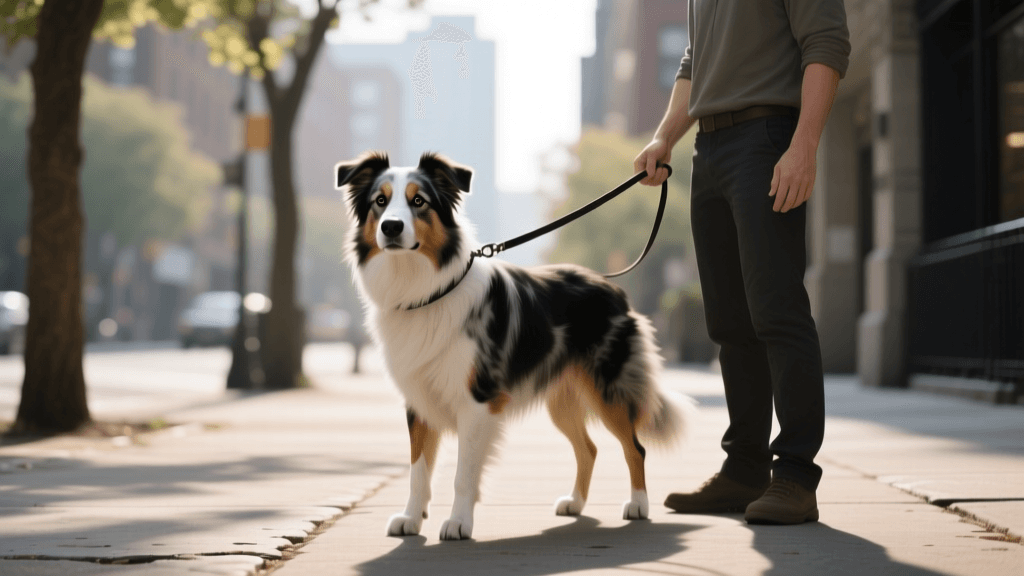
Equipping your dog with a front-clip harness is only step one. To achieve true loose-leash walking, you must condition the dog to understand that a loose leash yields forward movement, while tension halts the walk. The ASPCA highly recommends the "Be a Tree" method combined with positive reinforcement.
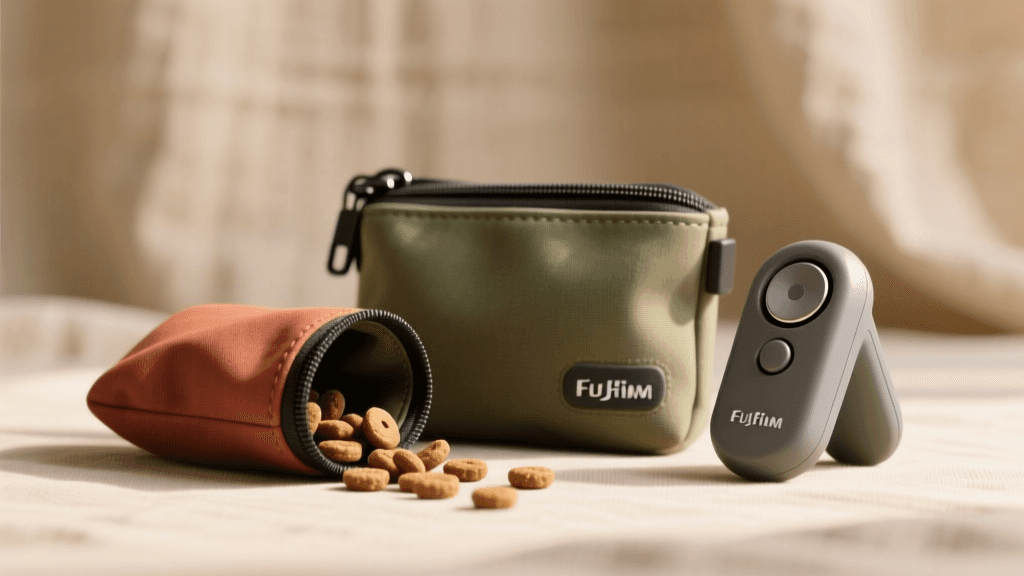
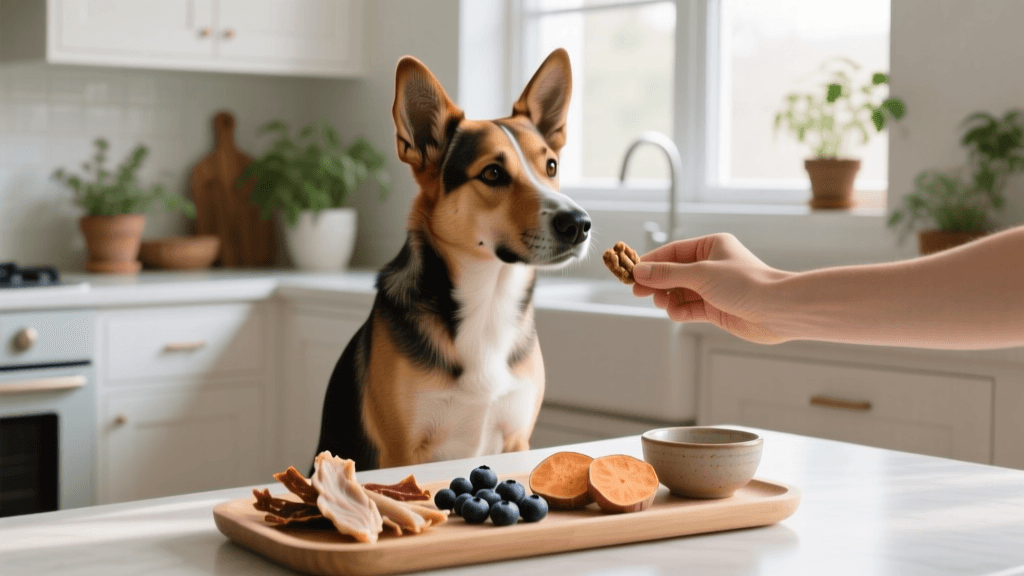
- Step 1: The Mark and Reward. Hold high-value treats (like boiled chicken or freeze-dried liver) in the hand opposite to the side your dog walks on. Every time the leash forms a "J" shape (indicating slack), mark the behavior with a clicker or a verbal "Yes!" and deliver the treat at your pant seam.
- Step 2: Be a Tree. The moment the leash goes taut and the front-clip redirects your dog's chest, stop walking completely. Do not yank the leash. Stand still like a tree. Wait for your dog to voluntarily turn their head back toward you or take a step back to release the tension. The second the leash is loose, mark, reward, and resume walking.
- Step 3: Change Direction. If your dog is hyper-focused on a distraction ahead, abruptly turn 180 degrees and walk the other way. When the dog catches up to you and the leash is loose, reward heavily. This teaches the dog to track your movement rather than forging ahead blindly.
Training Tools to Avoid
When attempting to cure leash pulling, many owners are tempted by aversive tools such as prong collars, choke chains, or electronic shock collars. While these may suppress pulling in the short term through pain or fear, they do not teach the dog what you want them to do. Furthermore, they carry severe risks of physical injury and psychological fallout, including leash reactivity and aggression toward other dogs.
The American Veterinary Society of Animal Behavior (AVSAB) explicitly advises against the use of aversive training methods. Their position statements highlight that reward-based training is not only more humane but significantly more effective for long-term behavioral modification and preserving the human-animal bond. Stick to front-clip harnesses, head halters, and high-value treats to build a willing and cooperative walking partner.
Final Thoughts
Investing in a high-quality no-pull harness like the Blue-9 Balance or Ruffwear Front Range is an investment in your dog's physical health and your shared walking experience. By combining the biomechanical advantage of a front-clip attachment with consistent, reward-based training protocols, you can transform chaotic, arm-jerking walks into peaceful, enjoyable outings. Remember that patience and timing are your greatest assets—celebrate the small victories, and keep your treat pouch full!
jonas-cole
All our authors care for dogs every day — read more of their work on the authors page.