Hairless Xoloitzcuintli Puppy Care 2026: Skin, Diet & Training
Discover essential 2026 care tips for hairless Xoloitzcuintli puppies. Learn about specialized skincare, unique teething needs, and early socialization.
Welcome to the World of the Xoloitzcuintli
The Xoloitzcuintli, often simply called the Xolo, is an ancient and revered Mexican breed that has seen a remarkable surge in global popularity. As we navigate the veterinary best practices of 2026, prospective and new Xolo owners must understand that raising a hairless Xolo puppy is fundamentally different from raising a coated breed. From their unique genetic makeup to their highly specific dermatological and dental needs, the first twelve months of a Xolo's life require a specialized, proactive approach to puppy care.
Whether you have just brought home a toy, miniature, or standard hairless Xolo, this comprehensive 2026 guide will walk you through the critical milestones of their first year, focusing on skincare, teething anomalies, temperature regulation, and early socialization.
The Genetics of Hairlessness: What Every Owner Must Know
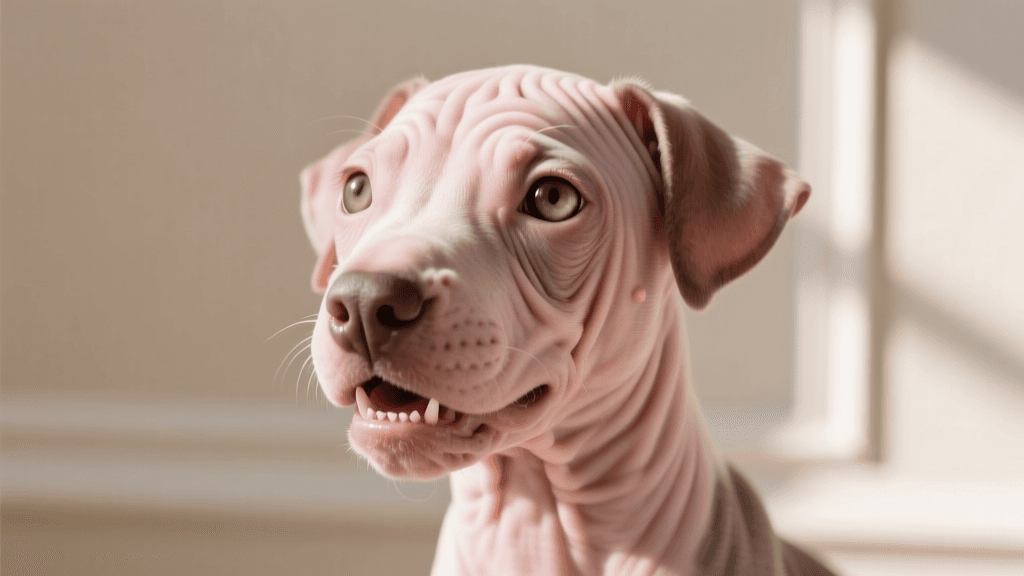
The hairless trait in the Xoloitzcuintli is caused by a dominant mutation in the FOXI3 gene. While this gene is responsible for the breed's striking, sleek appearance, it is also intrinsically linked to dental anomalies. According to the American Kennel Club (AKC), the same genetic factor that inhibits hair growth also affects the development of the puppy's teeth, specifically the premolars. Understanding this genetic link is crucial, as it directly impacts how you will manage your puppy's teething phase and long-term dental health.
It is also worth noting that while the hairless variety is the most famous, the coated Xolo exists as well. However, this guide focuses strictly on the specialized care required for the hairless variety, whose exposed skin demands a rigorous and consistent care regimen from day one.
Specialized Skincare for Xolo Puppies (0-12 Months)
A hairless Xolo puppy's skin is not just a covering; it is their primary defense system and a highly sensitive organ that requires daily maintenance. Puppy skin is thinner and more prone to environmental damage than adult skin, making your first-year skincare routine vital.
1. Sun Protection and UV Defense
Hairless puppies are incredibly susceptible to sunburn, which can lead to painful blistering and increase the risk of skin cancers later in life. In 2026, veterinary dermatologists strongly advise against relying solely on human sunscreens, as many contain zinc oxide or PABA, which are toxic to dogs if ingested during grooming. Instead, utilize dog-specific, non-toxic sunscreens like Warren London Dog Sunscreen or Epi-Pet Sun Protector. Apply these to the puppy's back, shoulders, and snout 15 minutes before any outdoor exposure, especially during peak UV hours between 10 AM and 4 PM.
2. Bathing and Moisturizing
Contrary to popular belief, Xolos do not need frequent full-body baths, which can strip their natural oils and cause severe dryness. A bi-weekly bath using a gentle, oatmeal-based, or hypoallergenic puppy shampoo is sufficient. Between baths, use pet-safe chlorhexidine wipes to clean their paws and underbelly after walks. Post-bath, applying a dog-safe moisturizer, such as coconut oil or a commercial canine skin conditioner, helps maintain the skin's lipid barrier.
3. Managing Puppy Acne and Blackheads
Hairless breeds are notoriously prone to canine acne and comedones (blackheads), particularly on the chin, muzzle, and back. As noted by VCA Animal Hospitals, canine acne often manifests during the puppy months (between 5 and 8 months of age) due to hormonal changes. To manage this, gently wipe the chin with a warm, damp cloth after meals and avoid using plastic food bowls, which harbor bacteria. If blackheads become inflamed or infected, consult your veterinarian for a topical antibacterial wash rather than squeezing the blemishes, which can cause scarring.
The Teething Phase & Dental Anomalies
The teething phase for a Xolo puppy generally occurs between 12 weeks and 6 months of age. Because the FOXI3 gene often results in missing premolars, your Xolo's bite and chewing mechanics will be different from other breeds. They may have a weaker grip on hard toys and might experience uneven jaw pressure.
- Appropriate Chew Toys: Avoid ultra-hard nylon bones or antlers, which can fracture their remaining teeth. Opt for softer, flexible rubber toys like the KONG Puppy or Nylabone Gentle Puppy chew lines, which massage the gums without risking dental fractures.
- Cooling Relief: Soak a clean, braided cotton rope in low-sodium chicken broth and freeze it. The cold provides soothing relief for inflamed gums during the peak teething weeks.
- Dental Monitoring: Schedule a veterinary dental check at 6 months to ensure all deciduous (baby) teeth have fallen out. Retained baby teeth are common in Xolos and may require surgical extraction to prevent overcrowding and periodontal disease.
Temperature Regulation & Environmental Comfort
Without a protective coat, hairless Xolo puppies cannot regulate their body temperature efficiently. They lose heat rapidly in cool environments and can overheat in direct sunlight. In 2026, the standard of care for Xolo puppies includes a specialized wardrobe and environmental controls.
Keep your home's ambient temperature between 68°F and 72°F (20°C - 22°C). When venturing outside in temperatures below 60°F (15°C), dress your puppy in a well-fitting, fleece-lined dog sweater. Indoors, provide a self-warming dog bed or a pet-safe heating pad set to 'low' and covered with a blanket to prevent burns. Always ensure the puppy has an unheated area of the bed to move to if they become too warm.
Dietary Needs for Skin and Brain Development
A hairless puppy's skin requires a diet rich in essential fatty acids to maintain elasticity and prevent severe dryness or flaking. Look for premium 2026 puppy formulas that explicitly list Omega-3 and Omega-6 fatty acids, as well as DHA for cognitive development. Purina Pro Plan Puppy Sensitive Skin & Stomach or Royal Canin Medium Puppy are excellent choices that support the high metabolic rates and dermatological needs of hairless breeds. Always transition foods slowly over a 7-to-10-day period to avoid gastrointestinal upset.
Early Socialization & Primitive Breed Traits
The Xoloitzcuintli is a primitive breed, meaning they possess strong survival instincts, a high prey drive, and a natural wariness of strangers. Early socialization is not just recommended; it is an absolute necessity to prevent fear-based aggression or extreme shyness in adulthood.
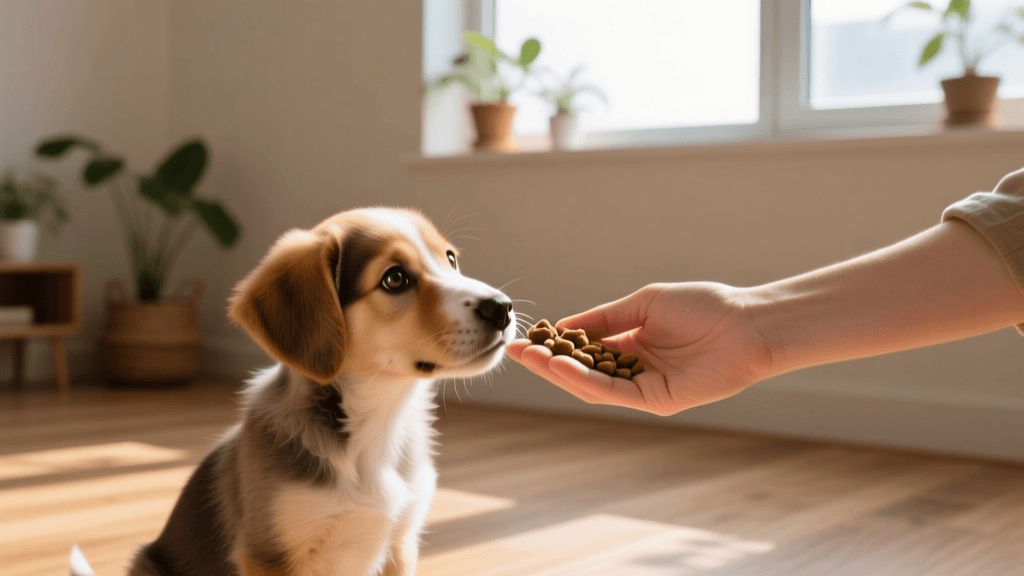
Between 8 and 16 weeks, your puppy is in the critical socialization window. Expose them to a wide variety of people, surfaces, sounds, and other vaccinated, friendly dogs. According to expert guidelines on puppy socialization from the AKC, positive reinforcement is key. Reward your Xolo puppy with high-value treats (like freeze-dried liver) for calm behavior around novel stimuli. Avoid forcing interactions; let the puppy approach new experiences at their own pace to build genuine confidence.
First-Year Xolo Puppy Care Schedule
To keep your hairless Xolo on track during their crucial first year, refer to this structured milestone schedule:
| Age (Months) | Developmental Milestone | Actionable Care Steps |
|---|---|---|
| 2 - 3 Months | Initial Socialization & Vaccinations | Begin indoor socialization; start gentle wipe-downs for skincare; complete first round of DHPP vaccines. |
| 4 - 5 Months | Teething Begins & Prey Drive Emerges | Introduce frozen chew toys; begin leash training; use positive reinforcement for recall to manage prey drive. |
| 6 - 7 Months | Dental Transition & Puppy Acne | Vet check for retained baby teeth; monitor chin for blackheads; switch to non-plastic food bowls. |
| 8 - 9 Months | Growth Spurt & Skin Elasticity | Adjust daily caloric intake; apply dog-safe moisturizer post-bath; increase outdoor socialization in safe parks. |
| 10 - 12 Months | Approaching Adulthood | Transition slowly to adult food if recommended by vet; finalize spay/neuter; establish adult sunscreen routine. |
Conclusion
Raising a hairless Xoloitzcuintli puppy in 2026 is a deeply rewarding experience that demands a higher level of daily engagement than many other breeds. By proactively managing their delicate skin, accommodating their unique dental structure, and respecting their primitive instincts through early, positive socialization, you will lay the foundation for a healthy, confident, and deeply bonded companion. Embrace the specific needs of this magnificent ancient breed, and your Xolo will thrive well into their adult years.
hannah-wickes
All our authors care for dogs every day — read more of their work on the authors page.