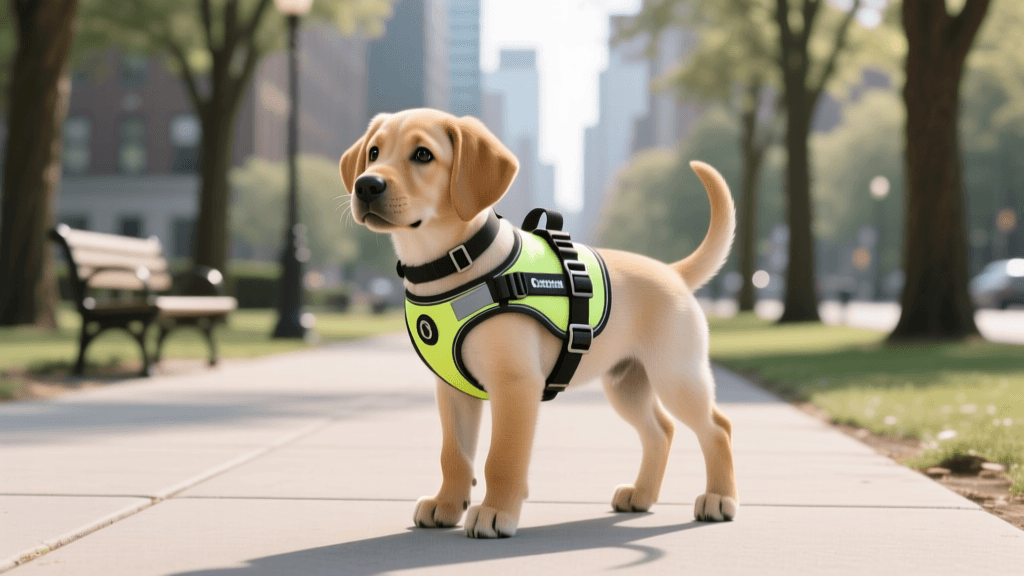
Service Dog Puppy Public Access Training & Vest Guide 2026
Discover 2026 protocols for early public access training and the best vest-fitting techniques for service dog puppies aged 8 to 16 weeks.
The Critical 8-16 Week Window for SDiT Puppies
Raising a Service Dog in Training (SDiT) requires a meticulously structured approach that differs vastly from raising a standard companion puppy. The first year of a working dog's life is foundational, but the 8 to 16-week window is arguably the most critical. During this developmental phase, a puppy's brain is exceptionally receptive to new stimuli, making it the prime time for early public access training. As of 2026, veterinary behaviorists and leading assistance dog organizations emphasize that controlled, positive exposure to public environments during this window drastically reduces the likelihood of a puppy being 'career-changed' (washed out) later in life due to fear or reactivity.
According to the American Kennel Club's guidelines on puppy socialization, the primary socialization window begins to close around 12 to 16 weeks of age. For a future mobility assistance dog, psychiatric service dog, or guide dog, this means that public access training cannot wait until the puppy is fully vaccinated or physically mature. Instead, handlers must employ safe, controlled exposure techniques while utilizing properly fitted, lightweight identification gear. This comprehensive guide outlines the 2026 best practices for early public access training and the biomechanics of fitting an SDiT vest on a growing puppy.
2026 Public Access Training Milestones (8-16 Weeks)
Early public access is not about teaching a puppy to perform complex tasks; it is about teaching the puppy how to exist neutrally in human spaces. The goal is to build environmental confidence, floor-surface adaptability, and sound desensitization. Below is the standard 2026 milestone progression for SDiT puppies.
Weeks 8-10: Low-Stimulus Environments
At this age, the puppy's immune system is still developing, so physical contact with high-traffic ground should be minimized. Training is often done by carrying the puppy in a specialized sling or utilizing a sanitized shopping cart lined with a washable mat. Ideal environments include quiet hardware stores (excellent for echoing acoustics and strange smells), garden centers, and empty bank lobbies. The primary objective is to reward the puppy for offering eye contact and settling on a mat while the environment shifts around them.
Weeks 11-13: Medium-Stimulus Environments
Once the puppy has received their second round of core vaccinations, you can introduce short, supervised 'paws-on-the-ground' outings. Pet-friendly retail stores, outdoor farmer's markets, and quiet public parks are ideal. During this phase, the puppy should be introduced to wearing their SDiT vest for short durations (10-15 minutes). The vest becomes a contextual cue: when the vest is on, the puppy is 'working' (which for a puppy simply means practicing calmness and ignoring distractions).
Weeks 14-16: High-Stimulus Environments
As the primary socialization window begins to close, carefully introduce higher-stimulus environments. This includes busy outdoor cafes, transit stations (observing from a distance), and bustling shopping centers. The focus remains on neutral observation and 'mat work.' If the puppy shows signs of stress (lip licking, yawning, tucked tail), the handler must immediately increase distance from the trigger. The Assistance Dogs International (ADI) consistently stresses that flooding a puppy with overwhelming stimuli can cause permanent behavioral setbacks, making distance and positive reinforcement paramount.
Biomechanics and Gear: Selecting the Right SDiT Vest
One of the most common mistakes novice SDiT handlers make is purchasing a rigid, heavy-duty service dog vest for an 8-week-old puppy. A puppy's skeletal system is primarily composed of cartilage, and their growth plates will not fully close until they are 12 to 18 months old. Placing a heavy, restrictive vest on a young puppy can alter their natural gait, leading to long-term orthopedic issues such as hip dysplasia or shoulder strain.
In 2026, the industry standard for puppies under six months is to use ultra-lightweight, breathable micro-mesh capes that attach to a well-fitted, ergonomic Y-front harness. The vest should serve purely as a visual identifier and a contextual cue, not as a handle or pulling apparatus. Below is a comparison of the top recommended gear setups for early SDiT public access training.
| Gear Setup (2026) | Best For | Est. Cost | Pros & Cons |
|---|---|---|---|
| Ruffwear Hi & Light Harness + Custom SDiT Cape | Active handlers, hiking, varied terrain | $85 - $110 | Pros: Ergonomic Y-front, lightweight. Cons: Requires separate cape purchase. |
| Industrial Puppy Adjustable Mesh Vest | Indoor public access, quick errands | $45 - $60 | Pros: Velcro adjustments for rapid growth. Cons: Less padding for long outings. |
| Dogline Unimax Harness + SDiT Patches | Puppies with sensitive tracheas | $70 - $90 | Pros: Chest plate distributes pressure. Cons: Patches must be sewn or velcroed. |
Step-by-Step Vest Fitting Protocol for Puppies
Because puppies grow in rapid, unpredictable spurts, a vest that fits perfectly on Monday might restrict breathing or chafe by Friday. Handlers must perform a fit-check before every single public access outing. Follow this 2026 veterinary-approved fitting protocol:
- The Two-Finger Rule: You should be able to comfortably slide two flat fingers under any strap (neck, girth, or chest). If you can fit three fingers, it is too loose and may shift, causing chafing. If you can only fit one finger, it is too tight and restricts lymphatic flow.
- The Gait Check: Put the vest on the puppy and observe them trotting on a flat, non-slip surface. Watch their front assembly (shoulders and elbows). If the vest causes the elbows to flare outward or shortens their stride, the chest plate is too rigid or positioned too high on the scapula.
- The Skin Inspection: After removing the vest, immediately check the puppy's armpits and sternum. Any pinkness, hair loss, or heat indicates friction. Switch to a softer, fleece-lined alternative immediately.
Never attach a leash directly to an SDiT puppy's vest. The leash should always be clipped to a structurally sound, independent harness or a flat collar to prevent the vest from twisting and injuring the puppy's developing spine.
Managing Potty and Hydration in Public Spaces
Early public access training is severely complicated by a puppy's lack of bladder control. An 8-to-12-week-old puppy typically needs to eliminate every 1 to 2 hours, making lengthy mall visits or restaurant training sessions impossible. Furthermore, IAADP minimum training standards dictate that service dogs must be trained to eliminate on command in appropriate areas, a skill that must be nurtured from day one.
To manage this in 2026, handlers utilize the '15-Minute Outing Rule' for puppies under 12 weeks. The outing consists of 10 minutes of public exposure (carried or on a mat) followed by 5 minutes of active potty-seeking behavior in a designated grassy relief area. Water intake must be carefully managed; offer small sips of water from a portable silicone travel bottle every 20 minutes to prevent dehydration without overloading the puppy's bladder. Always carry an enzymatic cleaner and biodegradable waste bags, as public accidents can damage the reputation of the SDiT community and violate local health codes.
Legal and Ethical Considerations in 2026
While federal laws like the ADA (Americans with Disabilities Act) protect the rights of individuals with disabilities to be accompanied by their service animals, the legal status of SDiT puppies varies wildly by state and municipality. In 2026, 48 states have specific statutes granting SDiT puppies in training the same public access rights as fully task-trained adult dogs, provided the handler possesses the correct identification and the puppy is under strict control. However, handlers must always research local municipal codes before entering private businesses, food preparation areas, or medical facilities.
Ethically, the handler must prioritize the puppy's mental health over their own desire for public integration. If a puppy is consistently failing to settle, showing avoidance behaviors, or regressing in their potty training, it is a clear indicator that the public access sessions are too long or too stimulating. Pull back to a lower-stimulus environment, shorten the duration of the outings, and consult with a certified professional dog trainer (CPDT-KA) who specializes in working dog development. By respecting the puppy's developmental limits and utilizing proper, lightweight gear, you lay the unbreakable foundation required for a successful, life-changing service dog career.
robin-maitland
All our authors care for dogs every day — read more of their work on the authors page.