The Gut-Brain Axis: How Dog Nutrition Shapes Behavior
Discover how the canine gut-brain axis influences anxiety and behavior. Learn actionable nutrition tips, probiotic strains, and diets to calm your dog.
The Hidden Link Between Your Dog's Bowl and Their Brain
When we think of canine behavior, reactivity, and anxiety, we often look to training methods, socialization history, or breed genetics. However, a rapidly growing field of veterinary science is pointing to a hidden driver of canine psychology: the gut-brain axis. The microorganisms living in your dog's gastrointestinal tract do far more than digest food; they actively communicate with the brain, influencing mood, stress responses, and even how your dog interprets environmental triggers.
Understanding this biological superhighway is crucial for any dog owner looking to address behavioral issues like leash reactivity, separation anxiety, or generalized fear. By leveraging targeted nutrition, you can physically alter your dog's internal chemistry to promote a calmer, more balanced state of mind. According to the Tufts University Cummings Veterinary Medical Center, nutritional psychiatry is becoming a cornerstone of holistic behavioral management in companion animals.
The Vagus Nerve: The Information Superhighway
The primary physical connection between your dog's gut and their brain is the vagus nerve. This massive cranial nerve wanders from the brainstem down to the abdomen, acting as a two-way communication cable. While the brain sends signals to the gut to regulate digestion, the gut actually sends significantly more signals up to the brain.
When a dog's gut microbiome is imbalanced—a condition known as dysbiosis—the intestinal lining can become inflamed. This inflammation triggers the vagus nerve to send distress signals to the brain, which interprets these signals as a generalized state of anxiety or malaise. A dog in this state is biologically primed for 'fight or flight,' making them far more likely to react aggressively to a passing dog or panic when left alone.
Neurotransmitters: Serotonin and GABA Production
It is a common misconception that all mood-regulating neurotransmitters are produced in the brain. In reality, the canine gut microbiome is responsible for synthesizing a vast majority of the body's serotonin and a significant portion of its gamma-aminobutyric acid (GABA).
- Serotonin: Often called the 'happy chemical,' serotonin regulates mood, sleep, and digestion. Approximately 90% of the body's serotonin is produced in the gut. Low levels are directly linked to canine depression, compulsive licking, and noise phobias.
- GABA: This is the primary inhibitory neurotransmitter in the central nervous system. It acts like a biological brake pedal, slowing down brain activity and promoting relaxation. Certain beneficial gut bacteria, such as Lactobacillus and Bifidobacterium species, are capable of producing GABA directly within the intestinal tract.
Reading the Signs: Dysbiosis and Canine Body Language
How do you know if your dog's behavioral issues are rooted in gut health? While only a veterinarian can diagnose dysbiosis via fecal microbiome testing, you can observe the intersection of gastrointestinal distress and anxious body language. Dogs suffering from an imbalanced gut often display a cluster of specific signals:
- Chronic Stress Signals: Frequent lip licking, yawning out of context, and 'whale eye' (showing the whites of the eyes) during normal daily activities.
- Hyper-Vigilance: Inability to settle, pacing, and an exaggerated startle response to minor household noises.
- Physical Symptoms: Intermittent soft stools, excessive flatulence, or pica (eating non-food items like grass or dirt) accompanied by a tucked tail and lowered posture.
Actionable Nutrition Deep Dive: Feeding for a Calmer Mind
Modifying your dog's diet to support the gut-brain axis requires precision. Simply buying a generic 'calming' treat is rarely sufficient. Here is a deep dive into actionable, science-backed nutritional interventions, complete with dosages and product recommendations.
1. Targeted Probiotics: Strain-Specific Interventions
Not all probiotics influence behavior. To target the gut-brain axis, you must use specific bacterial strains proven to cross the intestinal barrier and influence neurochemistry. The American Kennel Club (AKC) notes that strain specificity is vital when treating canine anxiety.
- Bifidobacterium longum BL999: This specific strain has been clinically shown to reduce anxious behaviors in dogs, including barking, jumping, and pacing. Product Recommendation: Purina Pro Plan Veterinary Supplements Calming Care. Dosage: 1 sachet (contains 100 million CFUs of the specific strain) daily. Cost: Approximately $45 for a 30-day supply.
- Lactobacillus rhamnosus: Known to increase GABA receptor expression in the brain. Product Recommendation: VetriScience Composure Pro or a high-quality human-grade multi-strain probiotic containing this exact strain. Dosage: 1 to 5 billion CFUs daily, depending on dog size.
2. Prebiotics and Short-Chain Fatty Acids (SCFAs)
Probiotics are the bacteria; prebiotics are the food they eat. When beneficial bacteria ferment prebiotic fibers, they produce Short-Chain Fatty Acids (SCFAs) like butyrate. Butyrate is crucial because it can cross the blood-brain barrier and reduce neuro-inflammation, directly lowering anxiety.
- Canned Pure Pumpkin: Ensure it is 100% pumpkin, not pie filling. Dosage: 1 teaspoon per 10 lbs of body weight, added to meals twice daily. Cost: ~$3 per can.
- Chicory Root Inulin: Often found in high-quality kibble, but can be supplemented. Dosage: 100mg per kg of body weight daily.
3. Tryptophan-Rich Proteins and Omega-3 Fatty Acids
Tryptophan is the essential amino acid precursor to serotonin. However, it must compete with other amino acids to cross the blood-brain barrier. Feeding a carbohydrate alongside a tryptophan-rich protein triggers an insulin response that clears competing amino acids from the blood, allowing tryptophan to enter the brain unimpeded.
- Turkey and Sweet Potato: Feed 1 oz of boiled, skinless turkey breast with 1 tablespoon of mashed, plain sweet potato as an evening snack to promote serotonin production before sleep.
- Omega-3 Fatty Acids (EPA/DHA): EPA and DHA reduce systemic and neuro-inflammation, which is often a root cause of reactive behavior. Dosage: 50 to 75 mg of combined EPA/DHA per kg of body weight. Product Recommendation: Nordic Naturals Omega-3 Pet or Grizzly Salmon Plus. Cost: ~$25 for a 2-month supply for a medium dog.
Comparison Chart: Top Calming Nutritional Interventions
| Intervention Type | Target Mechanism | Recommended Dosage (50 lb Dog) | Est. Monthly Cost |
|---|---|---|---|
| B. longum BL999 | Lowers cortisol, reduces pacing/barking | 1 sachet daily (100M CFU) | $45.00 |
| Prebiotic Pumpkin | Boosts butyrate, reduces neuro-inflammation | 5 tsp daily (split meals) | $8.00 |
| Marine Omega-3s | Supports cell membranes, lowers reactivity | 1,000 - 1,500mg EPA/DHA | $15.00 |
| L-Theanine | Increases GABA, promotes acute relaxation | 200mg (as needed for stress) | $20.00 |
Implementation Timeline: What to Expect
When altering your dog's diet to support the gut-brain axis, patience is mandatory. The microbiome takes time to shift, and neurogenesis (the creation of new neural pathways) does not happen overnight.
- Weeks 1-2 (The Transition): Introduce prebiotics and Omega-3s slowly to avoid gastrointestinal upset. You may notice slight changes in stool consistency. Behavioral changes are rare during this phase.
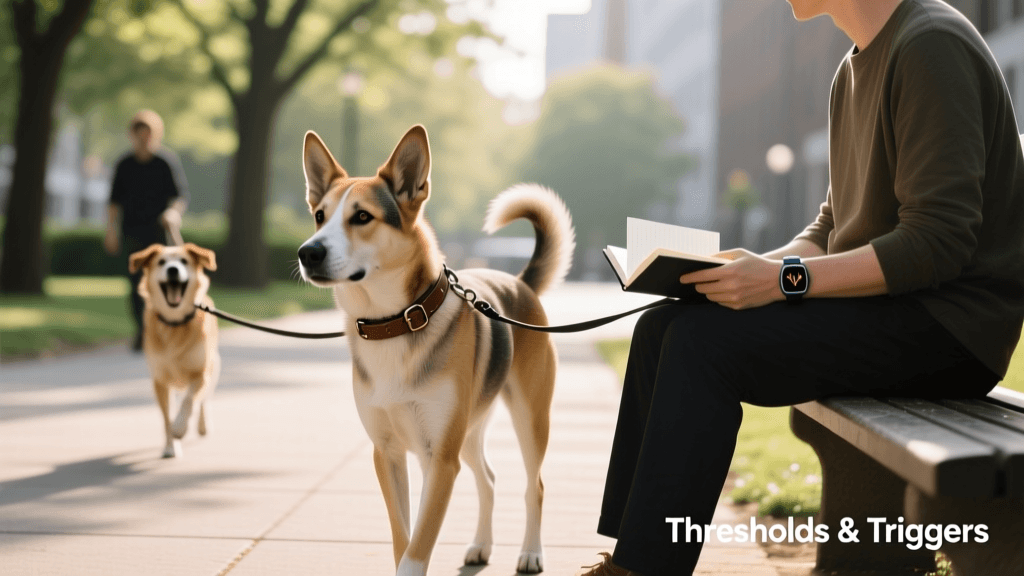
- Weeks 3-4 (The Shift): Introduce targeted probiotics like BL999. You may begin to see a higher threshold for triggers. A dog that normally reacts to a bicycle at 50 feet may wait until it is 30 feet away.
- Weeks 8-12 (The Baseline): By week eight, SCFA production should be optimized. Look for a decrease in chronic stress signals (lip licking, panting) and a faster recovery time after a stressful event.
Always consult with a veterinary nutritionist or your primary veterinarian before making drastic dietary changes. The World Small Animal Veterinary Association (WSAVA) Global Nutrition Committee emphasizes that any supplemental additions should be calculated to ensure they do not unbalance the core AAFCO-approved diet, particularly regarding calcium-to-phosphorus ratios and overall caloric intake.
Conclusion
Understanding your dog requires looking beyond the leash and into their biology. The gut-brain axis proves that behavior is not just a product of training; it is deeply intertwined with internal health. By strategically utilizing strain-specific probiotics, prebiotic fibers, and targeted amino acids, you can provide your dog with the biochemical foundation they need to navigate a stressful world with confidence and calm. Nutrition is not just fuel; it is one of the most powerful behavioral modification tools at your disposal.
beth-carrasco
All our authors care for dogs every day — read more of their work on the authors page.