Understanding Your Teenage Dog: Behavior and Care Guide
Discover why your adolescent dog is acting out. Learn the psychology behind teenage dog behavior, fear periods, and actionable life stage care tips.
The Psychology of the Adolescent Dog Brain
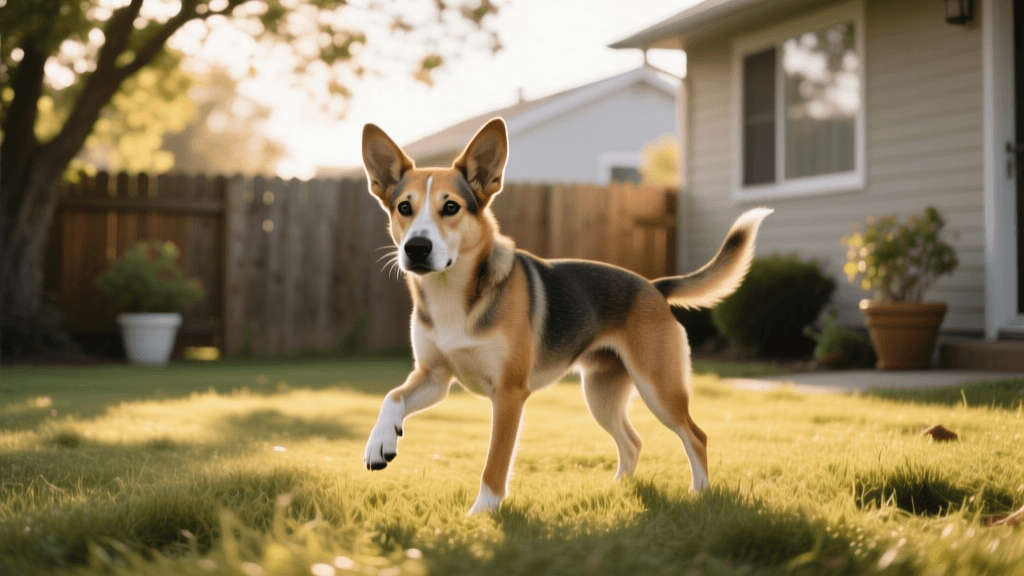
Surviving the potty training and teething phases of puppyhood feels like a monumental victory for any dog owner. However, just as you begin to enjoy a well-mannered companion, your dog enters the adolescent phase. Typically spanning from five to eighteen months of age, canine adolescence is a profound period of neurological and hormonal restructuring. Understanding your dog during this life stage requires recognizing that their behavioral changes are not acts of defiance, but biological imperatives.
According to a landmark 2020 study published by the Royal Society Publishing, dogs experience a specific phase of adolescence characterized by reduced trainability and increased conflict behavior with caregivers, mirroring human teenage rebellion. During this time, the canine brain undergoes massive 'synaptic pruning.' The brain is actively eliminating weak neural connections to make way for stronger, more efficient pathways. Because the prefrontal cortex—the area responsible for impulse control and decision-making—is still developing, your teenage dog literally lacks the neurological hardware to consistently inhibit their impulses.
Recognizing the Signs of Canine Adolescence
How do you know your dog has officially entered their teenage years? The transition is rarely marked by a single event, but rather a constellation of frustrating behavioral shifts. You may notice:
- Selective Hearing: Commands your dog knew perfectly at four months suddenly seem to fall on deaf ears, especially outdoors.
- Increased Roaming and Scent Tracking: Driven by hormonal surges, your dog may become intensely focused on environmental smells, ignoring your recall cues.
- Mouthiness and Chewing: A resurgence of destructive chewing can occur as adult teeth fully settle and teething discomfort transitions into stress-relief chewing.
- Boundary Testing: Behaviors like jumping on counters, stealing items, or pushing past you at doorways become more frequent as your dog tests social hierarchies.
Navigating the Second Fear Period
One of the most critical aspects of understanding your teenage dog is recognizing the 'Second Fear Period.' Unlike the well-documented first fear period that occurs in early puppyhood, the second fear period typically emerges between six and fourteen months of age. During this window, dogs may suddenly develop intense phobias of previously neutral stimuli, such as garbage cans, specific types of hats, or even familiar neighbors.
Experts at Fear Free Pets emphasize that forcing a dog to confront their fears during this developmental window—a practice known as 'flooding'—can cause permanent psychological damage. Instead, the life stage care approach requires proactive desensitization and counter-conditioning. If your teenage dog suddenly fears a specific object, increase your distance from the trigger until your dog is sub-threshold (relaxed and able to take treats), and pair the sight of the trigger with high-value rewards like freeze-dried beef liver or boiled chicken breast.
Pro Tip: Never punish a fearful reaction during the second fear period. Punishment only validates the dog's belief that the trigger is indeed dangerous, compounding the anxiety.
Actionable Life Stage Care and Management Timeline
Managing an adolescent dog requires adjusting your expectations and investing in the right management tools. Below is a structured care guide detailing the milestones, action plans, and estimated costs associated with navigating the teenage phase.
| Age Range | Behavioral Milestone | Action Plan | Estimated Cost |
|---|---|---|---|
| 5-7 Months | Onset of puberty, increased independence and roaming | Implement a 15-foot to 30-foot Biothane long line for safe outdoor recall practice without restricting sniffing. | $25 - $45 |
| 6-10 Months | Second fear period, sudden environmental sensitivity | Carry high-value treats (e.g., Ziwi Peak air-dried venison) for emergency counter-conditioning on walks. | $20 - $35 |
| 8-12 Months | Peak hormonal surges, boundary testing, leash pulling | Enroll in intermediate impulse-control group classes; utilize front-clip no-pull harnesses. | $150 - $250 |
| 12-18 Months | Brain maturation, settling into adult behavioral patterns | Transition to advanced cognitive enrichment like snuffle mats and DIY scent work trails in the yard. | $30 - $60 |
Essential Management Tools and Enrichment
Because your teenage dog's brain is craving dopamine and novel experiences, standard physical exercise is rarely enough to tire them out. In fact, the ASPCA notes that behavioral issues in adolescent dogs are frequently linked to a lack of mental stimulation rather than purely physical exhaustion. To meet their psychological needs, integrate the following tools into your daily routine:
- Lick Mats and Frozen Kongs: Licking releases endorphins in the canine brain, promoting a natural calming effect. Smear a Kong Classic with plain Greek yogurt, mashed bananas, and a dash of dog-safe peanut butter, then freeze it overnight. This provides 20-30 minutes of engrossing, stress-relieving enrichment.
- Snuffle Mats: Capitalize on your dog's heightened scent drive by hiding their daily kibble ration inside a dense fabric snuffle mat. Ten minutes of intense sniffing is cognitively equivalent to an hour of physical walking.
- Decompression Walks (Sniffaris): Dedicate at least two walks a week entirely to your dog's pace and preferences. Use a long line, allow them to investigate every tree and bush, and do not rush them. This satisfies their biological need to map their territory through scent.
Socialization Maintenance: Preventing Regression
Many owners mistakenly believe that socialization ends once the puppy period is over. However, adolescent dogs are highly prone to social regression. A dog that happily greeted strangers and other dogs at four months may suddenly exhibit leash reactivity, barking, or lunging at eight months. This is a normal developmental phase driven by increased territorial instincts and a natural wariness of the unknown. To prevent this regression from solidifying into lifelong reactivity, you must practice 'maintenance socialization.'
Maintenance socialization does not mean forcing your dog to interact with every person or dog they see. Instead, it means creating positive, low-pressure associations. Arrange parallel walks with familiar, calm dog friends to satisfy their social needs without the overwhelming pressure of face-to-face greetings. When encountering strangers, practice the 'Look at That' (LAT) game: mark and reward your dog simply for looking at a stranger from a distance without reacting. This rewires the brain to associate novel stimuli with positive outcomes rather than perceived threats.
Physical Care: Protecting Developing Joints
Understanding your dog's life stage also means recognizing their physical limitations. During adolescence, large and giant breed dogs are still experiencing rapid bone growth, and their growth plates do not fully close until they are 14 to 18 months old. Forcing an adolescent dog to participate in repetitive, high-impact exercises—such as running alongside a bicycle, agility jumping, or playing intense games of fetch on hard surfaces—can cause micro-fractures and increase the risk of early-onset osteoarthritis or hip dysplasia.
Instead of forced running, focus on low-impact activities like swimming or hiking on soft, natural terrain. Additionally, consider consulting your veterinarian about introducing a joint supplement containing Glycosaminoglycans (GAGs), MSM, and Omega-3 fatty acids (EPA/DHA) to support cartilage health during this critical growth window. Budget approximately $30 to $50 per month for high-quality veterinary-recommended joint chews.
Adjusting Your Training Expectations
The most common mistake owners make during the adolescent phase is assuming their dog is 'stubborn' or 'dominant.' When your teenage dog fails to respond to a 'sit' cue in a distracting environment, they are not challenging your authority; their underdeveloped prefrontal cortex is simply overwhelmed by sensory input. Lower your criteria, increase your distance from distractions, and use higher-value rewards. If your dog cannot hold a 'stay' at the park, practice in your quiet living room instead. Patience, consistency, and a deep understanding of canine neurological development will help you and your dog emerge from the teenage phase with a stronger, more resilient bond.
tom-renshaw
All our authors care for dogs every day — read more of their work on the authors page.