Fresh Diet Transition for Adopted Rescue Dogs in 2026
Learn how to safely transition your newly adopted rescue dog to a fresh food diet in 2026 with our step-by-step gut health and meal plan guide.
Why a Fresh Diet is the Ultimate 2026 Welcome Home for Rescue Dogs
Bringing a newly adopted rescue dog home is one of the most rewarding experiences a pet parent can have. However, the transition from a shelter environment to a forever home is a period of immense physiological and psychological stress. In 2026, leading veterinary nutritionists increasingly advocate for fresh, raw, and alternative diets to help rescue dogs rebuild their health from the inside out. Unlike highly processed kibble, which often sits in shelter bins for months, fresh diets offer superior bioavailability, hydration, and living enzymes that are critical for healing a compromised gut microbiome.
Shelter diets are typically formulated for cost-efficiency and shelf-stability rather than optimal species-appropriate nutrition. When you adopt a dog, you are often inheriting a gastrointestinal tract that has been subjected to high cortisol levels, dietary monotony, and potential antibiotic treatments. Transitioning your new companion to a fresh food diet is not merely a lifestyle choice; it is a targeted therapeutic intervention designed to restore their gut-brain axis and immune system.
Understanding the 2026 Fresh, Raw, and Alternative Landscape
The pet nutrition landscape has evolved dramatically by 2026. Pet parents now have access to a wider array of fresh feeding methodologies than ever before. Whether you are preparing a balanced raw diet at home, subscribing to a gently cooked fresh delivery service, or exploring alternative proteins, understanding your options is crucial for a rescue dog with an unknown medical history.
- High-Pressure Processed (HPP) Raw: HPP technology uses extreme pressure rather than heat to neutralize pathogens like Salmonella and Listeria. This is highly recommended in 2026 for rescue dogs with unknown immune statuses, as it maintains the nutritional integrity of raw meat while ensuring safety.
- Gently Cooked Fresh Diets: For rescues with severe gastrointestinal sensitivities or a history of pancreatitis, lightly cooked human-grade meats and steamed vegetables provide highly digestible nutrition without the bacterial risks associated with raw feeding.
- Alternative and Novel Proteins: Many shelter dogs develop sensitivities to common agricultural proteins like chicken or beef due to prolonged exposure to low-quality kibble. In 2026, alternative proteins such as black soldier fly larvae (insect protein), lab-grown cellular meat, and novel wild proteins like venison or rabbit are mainstream options for elimination diets.
According to the WSAVA Global Nutrition Guidelines, any fresh or alternative diet fed to a growing or adult dog must meet strict nutritional adequacy standards, ensuring proper calcium-to-phosphorus ratios and essential micronutrient profiles.
The 14-Day Gradual Transition Protocol for Rescues
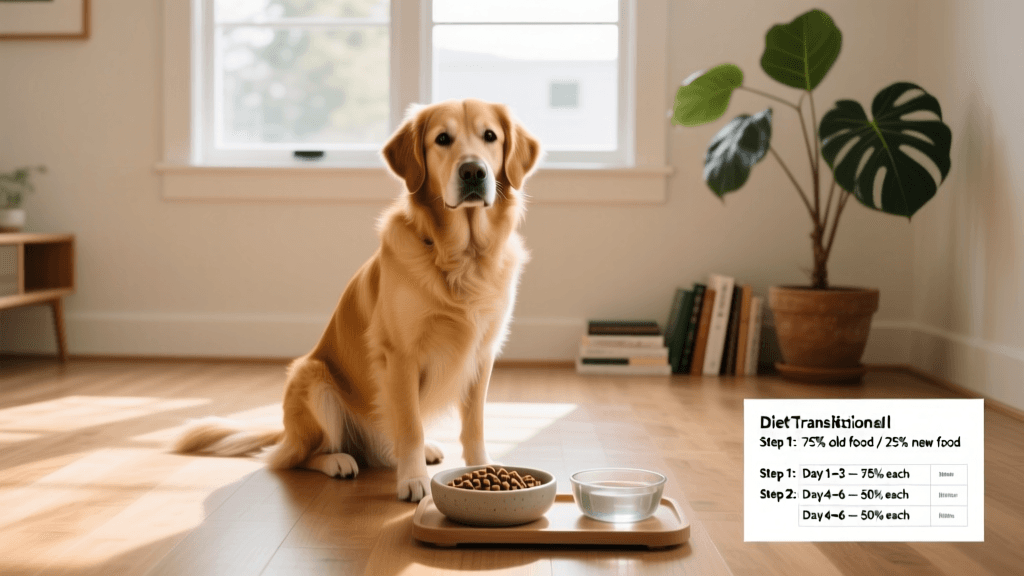
One of the most common mistakes new adopters make is switching their rescue dog's food too quickly. A sudden shift from highly processed carbohydrates to a moisture-rich, protein-dense fresh diet can cause severe osmotic diarrhea and vomiting. To mitigate this, we utilize a structured 14-day gradual transition protocol, incorporating gut-supporting supplements to ease the microbiome shift.
| Phase | Days | Diet Composition | Daily Gut Support Additions |
|---|---|---|---|
| Phase 1: Acclimation | Days 1-4 | 75% Shelter Kibble / 25% Fresh Lean Muscle Meat | 1 tbsp plain pumpkin puree, canine-specific probiotic |
| Phase 2: Introduction | Days 5-8 | 50% Shelter Kibble / 50% Fresh Complete Meal | 2 tbsp bone broth (no onion/garlic), digestive enzymes |
| Phase 3: Shift | Days 9-12 | 25% Shelter Kibble / 75% Fresh Complete Meal | 1 tsp ground flaxseed, continued probiotics |
| Phase 4: Full Fresh | Days 13-14 | 100% Fresh/Raw/Alternative Complete Diet | Monitor stool, adjust fiber if necessary |
During this transition, feeding amounts should be calculated based on your dog's ideal target weight, not their current weight. Most rescue dogs are either underweight or overweight upon adoption. A general rule of thumb for raw and fresh diets in 2026 is feeding 2% to 2.5% of the dog's ideal body weight daily, split into two meals.
Sourcing Safe Ingredients and Avoiding Pathogens
When sourcing ingredients for a raw or fresh diet, safety is paramount. The FDA guidelines on raw pet food explicitly warn about the risks of cross-contamination in the home and the dangers of feeding untested raw meats to immunocompromised animals. Because rescue dogs often arrive with parasitic loads or suppressed immune systems, you must practice meticulous hygiene.
Always source human-grade meats from reputable local butchers or specialized raw pet food cooperatives. In 2026, many local farms offer pet-grade grinds that are specifically tested for bacterial loads before sale. Never use meat that has been sitting in your refrigerator past its use-by date for your dog's raw meals. If you are preparing meals at home, invest in a dedicated stainless steel prep area and use a food-safe sanitizer on all surfaces immediately after handling raw proteins.
Alternative Diets: When Raw Is Not the Right Fit
While raw diets are incredibly popular, they are not a panacea for every rescue dog. Dogs adopted from hoarding situations or those with severe chronic kidney disease (CKD) may require specialized alternative diets. In 2026, veterinary nutritionists frequently utilize customized cooked diets formulated by board-certified veterinary nutritionists for these complex cases.
Furthermore, the rise of insect-based proteins has provided a revolutionary alternative for rescue dogs suffering from severe environmental and food allergies. Black soldier fly larvae offer a complete amino acid profile, are highly sustainable, and are completely novel to a dog's immune system, making them an excellent base for an elimination diet when a rescue dog presents with chronic paw-licking and ear infections.
The American Veterinary Medical Association (AVMA) maintains policies regarding raw diets, emphasizing the need for rigorous nutritional balancing. Whether you feed raw, cooked, or alternative proteins, utilizing a reputable canine nutrition software or consulting with a professional to balance calcium, phosphorus, zinc, and iodine is non-negotiable.
The Critical Role of Hydration and Bone Broth
One of the most immediate benefits rescue dogs experience when switching from dry kibble to a fresh diet is a massive increase in daily moisture intake. Kibble typically contains only 10% moisture, leaving many shelter dogs in a state of chronic, low-grade dehydration. Fresh and raw diets naturally contain upwards of 70% moisture, which flushes the kidneys, supports joint lubrication, and promotes healthy skin and coat recovery after months of shelter living.
To amplify these benefits in 2026, many raw feeders incorporate raw, meaty bone broths into their dog's daily routine. Simmering beef knuckles or chicken feet for 24 to 48 hours extracts collagen, glucosamine, and chondroitin naturally. Adding a splash of this nutrient-dense broth to your rescue dog's meals not only enhances palatability for picky eaters but also actively repairs the intestinal lining damaged by years of stress and poor-quality shelter food.
Setting Up Your 2026 Fresh Food Prep Station
To make fresh feeding a sustainable habit rather than a chore, setting up an efficient prep station in your home is essential. Here are the mandatory tools you need before your rescue dog arrives:
- Precision Digital Gram Scale: Eyeballing ingredients leads to severe nutritional deficiencies over time. You must weigh organs, bones, and muscle meats to the exact gram.
- Heavy-Duty Meat Grinder: If you are feeding a raw diet with whole prey model ratios (80% muscle, 10% bone, 10% organ), a grinder capable of processing chicken necks and turkey wings is vital for dogs that gulp their food.
- Stainless Steel or Silicone Molds: Pre-portioning your dog's meals into silicone molds and freezing them allows you to simply pop out a meal, thaw it in the refrigerator overnight, and serve it the next morning.
- Elevated Feeding Station: For large breed rescues or senior dogs, an elevated stainless steel bowl stand promotes better posture and aids in digestion, reducing the risk of bloat.
Monitoring Stool Quality and Adjusting on the Fly
The ultimate indicator of a successful fresh diet transition is your dog's stool quality. A healthy dog on a raw or fresh diet should produce small, firm, and relatively odorless stools that turn white and crumble into dust when left outside. If your rescue dog experiences loose stools during the 14-day transition, do not panic. Simply pause the transition, hold the current ratio for an extra two days, and increase the soluble fiber in their bowl by adding a teaspoon of psyllium husk or plain canned pumpkin.
Conversely, if the stools become hard, chalky, and difficult to pass, you are likely feeding too much bone or calcium. Reduce the bone content by 2% and increase the moisture-rich muscle meat. Paying close attention to these daily biomarkers will ensure your newly adopted rescue dog thrives on their new, species-appropriate fresh diet for years to come.
priya-sutaria
All our authors care for dogs every day — read more of their work on the authors page.