Getting a Dog in a New House: 2026 Yard Prep Guide
Moving to a new house and getting a dog? Discover 2026 yard prep tips, fence heights, toxic plant checks, and GPS tracker picks for a safe transition.
Navigating the Double Transition: New Home, New Dog
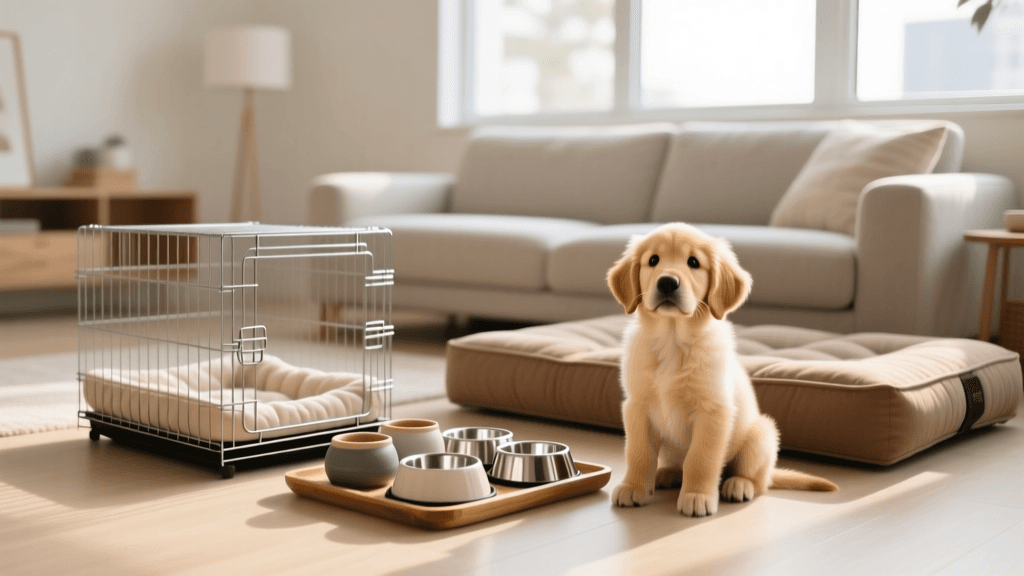
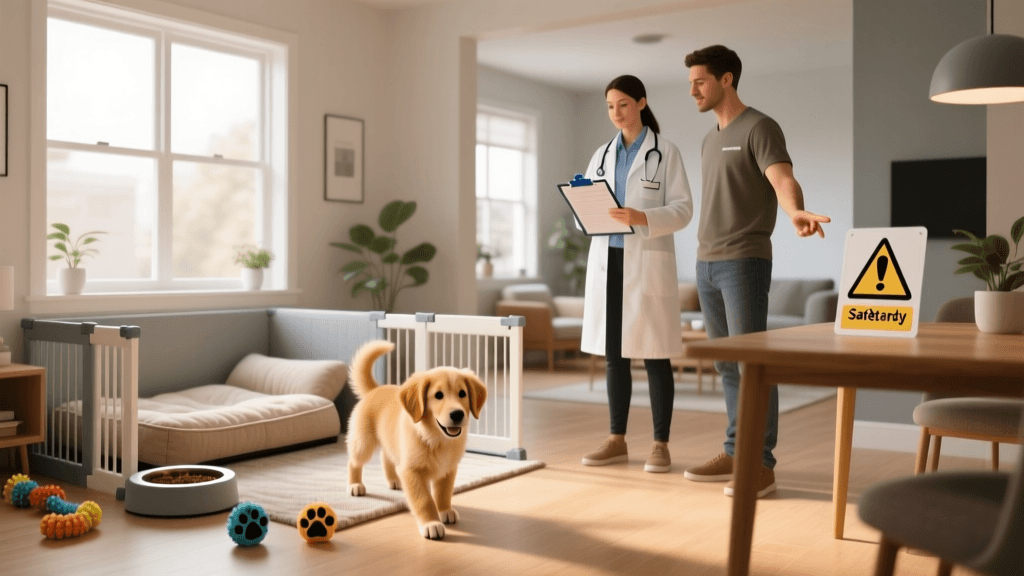
Moving into a new house is one of life's most significant transitions, filled with unpacking, renovations, and the excitement of a fresh start. When you combine a residential move with the decision to get your first dog, the complexity of your transition doubles. In 2026, more homebuyers are prioritizing properties with yards specifically to accommodate canine companions, yet many new owners underestimate the hidden hazards and acclimation challenges that come with an unfamiliar outdoor space. Getting a dog in a new house requires more than just buying a leash and a bed; it demands a strategic, phased approach to yard preparation, boundary setting, and smart home integration.
Unlike an apartment where the environment is strictly controlled, a new suburban or rural yard introduces a multitude of variables: unfamiliar wildlife, varying soil compositions, potentially toxic landscaping left behind by previous owners, and escape routes that aren't immediately obvious. This comprehensive 2026 guide will walk you through the essential steps to dog-proof your new property, select the right containment systems, and help your new companion confidently acclimate to their forever home.
The Great Yard Audit: Identifying Hidden Hazards
Before your new dog ever sets paw on the grass, you must conduct a thorough environmental audit of your new property. Landscaping trends change, and the previous homeowners may have planted ornamental shrubs that are highly toxic to canines. According to the ASPCA's comprehensive plant toxicity database, common yard staples like Sago Palms, Oleanders, Azaleas, and Foxglove can cause severe gastrointestinal distress, liver failure, or even fatal cardiac issues in dogs.
Landscaping and Soil Safety
Walk the perimeter and interior of your yard with a critical eye. If you identify toxic plants, budget for professional removal, which typically costs between $150 and $300 per large shrub or tree in 2026. Additionally, investigate the lawn care history of the property. Many commercial lawn services use synthetic herbicides and pesticides that can linger in the soil. If you are unsure of the chemical history, consider aerating the lawn and switching to 2026-certified organic, pet-safe fertilizers and weed preventers. The FDA's guidelines on pet safety strongly recommend keeping animals off chemically treated lawns for at least 48 hours, but transitioning to organic yard care eliminates this risk entirely and provides long-term peace of mind.
Debris and Choking Hazards
New yards often hide debris beneath the surface. Rake the entire property to uncover buried rocks, old nails, broken glass, or discarded construction materials. Pay special attention to the fence line, where wind tends to blow and accumulate trash, plastic bags, and food wrappers that a curious new puppy might ingest.
Fencing Solutions for 2026: What Works Best?
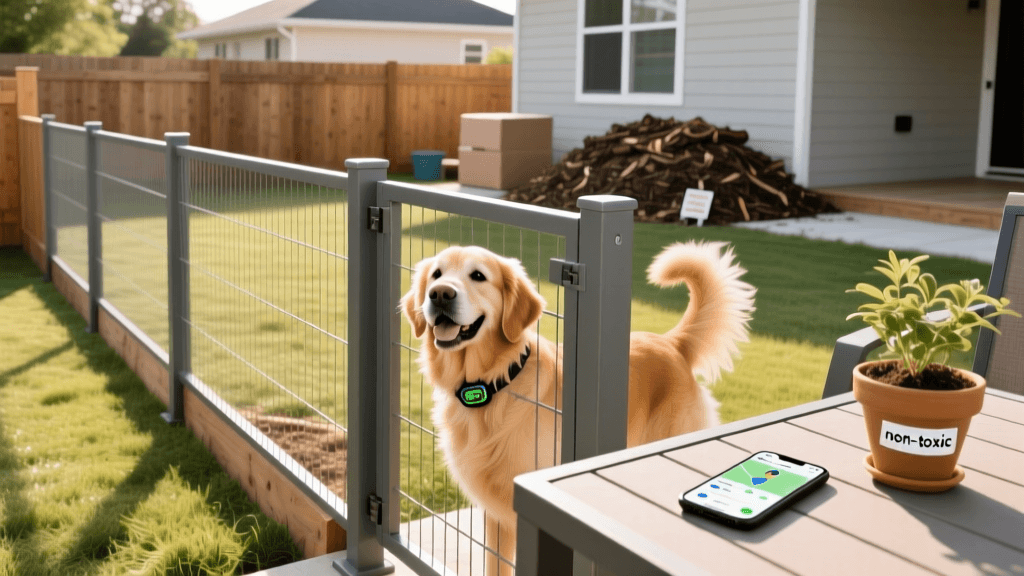
A secure perimeter is non-negotiable when getting a dog in a new house. The right fence not only keeps your dog safe from traffic and wildlife but also provides them with the psychological security of a defined territory. In 2026, homeowners have several fencing options, each with distinct advantages depending on your dog's breed, size, and athletic ability.
| Fence Type | Recommended Height | 2026 Avg. Cost (Per Linear Ft.) | Best Suited For |
|---|---|---|---|
| Wood Privacy (Cedar/Redwood) | 6 to 8 feet | $45 - $85 | Jumpers, easily distracted dogs, high-traffic neighborhoods |
| Vinyl Panel Fencing | 6 feet | $60 - $100 | Chewers, owners wanting low-maintenance durability |
| Chain Link (with Privacy Slats) | 5 to 6 feet | $25 - $45 | Budget-conscious owners, non-climbing breeds |
| GPS Virtual Containment | N/A (Collar-based) | $300 - $450 (Hardware + 1st Year) | Large rural properties, HOA-restricted neighborhoods |
Evaluating Your Dog's Containment Needs
If you are adopting a high-prey-drive breed like a Husky or a Greyhound, a standard 4-foot chain-link fence will not suffice; you will need a 6-foot wood or vinyl privacy fence to block visual stimuli that trigger chasing instincts. Furthermore, inspect the bottom of the fence line. Many dogs are natural diggers and will exploit gaps beneath the fencing. In 2026, many homeowners are installing 'L-footers'—a strip of heavy-gauge welded wire buried horizontally along the fence line to prevent subterranean escapes without ruining the aesthetic of the yard.
Smart Home & Yard Tech for the Modern Dog Owner
The intersection of smart home technology and pet care has evolved dramatically, making the transition to a new house much smoother for tech-savvy dog owners. Integrating these tools early in your move can prevent disasters and streamline your daily routine.
- Advanced GPS Tracking Collars: Even with a secure fence, a newly adopted dog may bolt out the front door during the chaos of moving day. The 2026 models of the Fi Series 4 and the Tractive GPS offer real-time, multi-foot precision tracking with battery lives extending up to 30 days. These collars also map your dog's daily yard activity, helping you identify weak spots in your fencing where they tend to pace or dig.
- Microchip-Activated Smart Dog Doors: If your new house features a sliding glass door or a mudroom entrance, installing a SureFlap Microchip Pet Door Connect is highly recommended. Unlike traditional flap doors that allow neighborhood stray cats, raccoons, or even other dogs to enter your home, smart doors read your dog's implanted microchip, unlocking only for them. This is crucial for maintaining home security and climate control in your new house.
- Smart Irrigation Systems: Automated sprinklers like the Orbit B-hyve allow you to create specific 'dog run' zones in your yard. You can program the system to water the garden beds while keeping the central grassy area dry and safe for your dog to play on immediately after a cycle, preventing muddy paws from tracking into your newly cleaned home.
The First 30 Days: Acclimating Your Dog to the New Property
Getting a dog in a new house is as much about psychological acclimation as it is about physical safety. The first 30 days are critical for establishing routines, boundaries, and a sense of security in an unfamiliar environment.
Scent Mapping and Boundary Training
Dogs experience the world primarily through their olfactory senses. Your new yard smells like the previous owners, their pets, and local wildlife. To help your dog feel ownership over the space, spend time walking the perimeter with them on a long lead. Allow them to sniff and mark the boundaries. This 'scent mapping' process helps them understand the limits of their territory, reducing anxiety and the urge to wander.
Potty Training in a New Environment
Even fully house-trained dogs may experience regression when moving to a new yard due to the different soil textures and overwhelming new scents. Designate a specific 'potty zone' in the yard, perhaps using a different substrate like pea gravel or mulch to create a clear tactile cue. Take them to this exact spot on a leash for every bathroom break during the first two weeks, rewarding heavily with high-value treats. This prevents them from treating your entire newly landscaped lawn as a bathroom and helps establish a reliable routine amidst the chaos of unpacking.
Budgeting for Your Dog-Friendly Home Transition
To ensure you are financially prepared for this dual life transition, here is a realistic breakdown of the initial setup costs you should anticipate when getting a dog and prepping a new yard in 2026:
- Yard Hazard Remediation (Plant removal, debris clearing): $200 - $600
- Fence Repairs or L-Footer Installation: $300 - $1,200
- Smart GPS Collar & Subscription: $150 - $350
- Microchip-Activated Smart Door: $200 - $250
- Organic Lawn Treatment Transition: $150 - $300 per season
While the upfront costs of preparing a new home for a dog can seem steep, they pale in comparison to the emergency veterinary bills associated with toxic plant ingestion or the emotional and financial toll of a lost pet. By investing in these preventative measures during your moving phase, you create a sanctuary where your new dog can thrive.
Conclusion: Building a Foundation for the Future
Transitioning to a new house while getting a dog is a profound life change that requires patience, foresight, and a willingness to adapt. By conducting a rigorous yard audit, investing in modern 2026 containment and tracking technology, and guiding your dog through a structured 30-day acclimation period, you transform a chaotic moving experience into the foundation of a beautiful, lifelong bond. Your new home is no longer just a physical structure; it is the safe, secure, and joyful environment where your dog's best life begins.
hannah-wickes
All our authors care for dogs every day — read more of their work on the authors page.