Golden Retriever vs. Labrador: The Family Dog Guide
Compare Golden Retrievers and Labrador Retrievers to find your perfect family dog. Explore traits, costs, health, and training tips in this guide.
Golden Retriever vs. Labrador Retriever: Choosing Your Perfect Family Dog
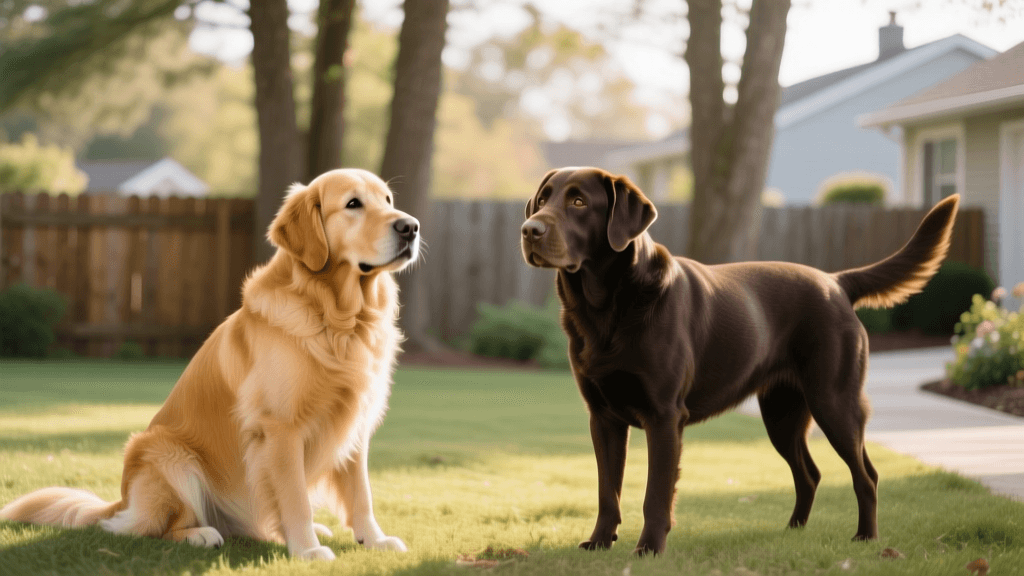
Choosing between a Golden Retriever and a Labrador Retriever is one of the most common dilemmas for prospective dog owners. Both breeds consistently rank at the top of the American Kennel Club's popularity list, and for good reason. They are renowned for their intelligence, loyalty, and gentle dispositions. However, despite their many similarities, these two breeds possess distinct traits, care requirements, and health profiles that can make one a better fit for your specific lifestyle than the other.
In this comprehensive guide, we will break down the physical characteristics, temperaments, training needs, health risks, and financial costs associated with both breeds. Whether you are an active single professional, a family with young children, or a retiree looking for a companion, understanding these nuances is the first step toward a successful, lifelong bond with your new dog.
Breed Origins and Overview
To understand the modern temperament of these dogs, it helps to look at their origins. The Golden Retriever was developed in the Scottish Highlands during the mid-19th century by Lord Tweedmouth. He sought to create the ultimate hunting companion capable of retrieving game from both water and land in rugged terrain. This resulted in a dog with a soft mouth, an eagerness to please, and a thick, water-repellent double coat.
Conversely, the Labrador Retriever originated in Newfoundland, Canada, where they were bred by fishermen to haul nets, fetch ropes, and retrieve fish from the frigid North Atlantic. Later refined in England, the Labrador was bred for stamina, a robust build, and an intense drive to work. While both are retrievers at heart, the Labrador's working-class fishing roots give them a slightly more robust and boisterous energy compared to the Golden's refined, gentle-mannered hunting background.
Physical Characteristics and Size Comparison
While they are similar in overall stature, a closer look reveals distinct physical differences, particularly in their coats and build. Below is a side-by-side comparison of their primary physical metrics.
| Feature | Golden Retriever | Labrador Retriever |
|---|---|---|
| Male Weight | 65 - 75 lbs | 65 - 80 lbs |
| Female Weight | 55 - 65 lbs | 55 - 70 lbs |
| Height (at shoulder) | 21.5 - 24 inches | 21.5 - 24.5 inches |
| Coat Type | Dense, water-repellent, long/wavy | Short, dense, weather-resistant |
| Colors | Various shades of gold | Yellow, Black, Chocolate |
| Lifespan | 10 - 12 years | 10 - 12 years |
One of the most significant practical differences for owners is grooming. Goldens have long, feathery fur that requires brushing at least three to four times a week to prevent painful matting, especially behind the ears and on the hindquarters. Labs have short, stiff guard hairs over a soft undercoat. While Labs shed just as much—if not more—than Goldens, their fur is easier to sweep up and does not require professional grooming or extensive detangling.
Temperament and Family Compatibility
Both breeds are famously affectionate and thrive on human interaction, making them notoriously poor choices for outdoor-only living or owners who work 12-hour days away from home. They are pack animals that bond deeply with their families.
Golden Retrievers: The Sensitive Soulmate
Goldens are often described as sensitive, intuitive, and slightly calmer indoors than their Labrador counterparts. They are highly attuned to their owner's emotions and tend to mature a bit slower, retaining a goofy, puppy-like demeanor well into their third or fourth year. They are exceptionally gentle with toddlers and make excellent therapy dogs due to their empathetic nature.
Labrador Retrievers: The Boisterous Best Friend
Labs are bold, exuberant, and highly energetic. A young Labrador is famously described as a 'bull in a china shop,' often using their paws and mouths to interact with the world. While they are incredibly loving and great with older children who can handle their enthusiastic tail wags and jumping, they may accidentally knock over small toddlers during play. Labs are generally more independent and resilient to loud noises and chaotic household environments.
Training, Exercise, and Mental Stimulation
Because both breeds were developed to work closely alongside humans, they are highly trainable and eager to please. However, their energy requirements demand a serious time commitment.
- Exercise Needs: Both breeds require a minimum of 60 to 90 minutes of vigorous exercise daily. A simple 20-minute leash walk is insufficient and will lead to destructive behaviors like chewing furniture or digging. Activities like swimming, hiking, fetch, and agility courses are ideal.
- Socialization Window: The critical socialization period for puppies is between 3 and 14 weeks of age. During this time, expose your puppy to various surfaces, sounds, people, and other vaccinated dogs to prevent fear-based reactivity later in life.
- Mental Stimulation: Physical exhaustion is only half the battle. Use puzzle feeders, snuffle mats, and hide-and-seek games to tire out their working brains. A 15-minute training session can be as mentally exhausting for a Retriever as a 3-mile run.
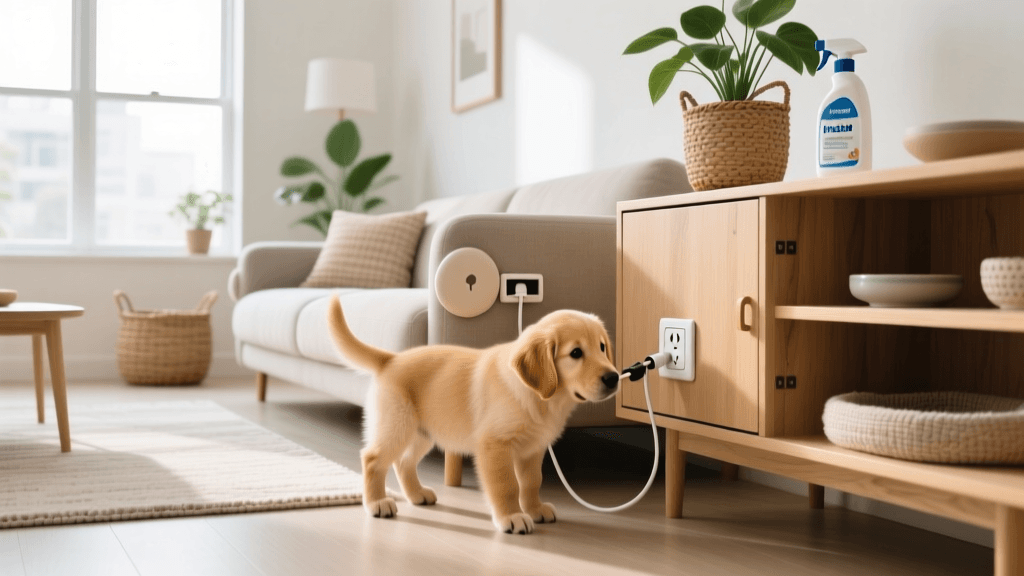
Because of their strong retrieving instincts, both breeds are prone to picking up objects in their mouths. Teach the 'drop it' and 'leave it' commands early using high-value treats to prevent resource guarding or the ingestion of dangerous household items.
Health Profiles and Lifespan Expectancy
While both breeds share a life expectancy of 10 to 12 years, their genetic predispositions differ significantly. Prospective owners must be prepared for potential veterinary challenges.
Joint Issues and Dysplasia
Both breeds are prone to hip and elbow dysplasia, a malformation of the joints that leads to painful arthritis. According to the Orthopedic Foundation for Animals (OFA), maintaining a lean body weight and avoiding high-impact exercises (like jumping off furniture or intense agility) before the growth plates close at 12-18 months can mitigate the severity of this condition. Always ask breeders for OFA certification on both parents.
Breed-Specific Health Risks
Golden Retrievers have a notoriously high rate of cancer, particularly hemangiosarcoma and lymphoma. Studies suggest that up to 60% of Golden Retrievers may succumb to cancer, making routine veterinary screenings and early detection vital.
Labrador Retrievers are highly food-motivated and possess a specific genetic mutation (the POMC gene) in many lines that prevents them from feeling full. This makes Labs incredibly prone to obesity, which exacerbates joint issues and can lead to diabetes. Strict portion control and avoiding table scraps are non-negotiable for Lab owners.
The Financial Commitment: Costs and Budgeting
Bringing a large-breed dog into your home is a significant financial investment. Here is a realistic breakdown of what you can expect to spend.
Initial Acquisition and Setup Costs
- Puppy Price: Expect to pay between $1,500 and $3,000 for a well-bred puppy from a reputable, health-testing breeder. Adoption fees from breed-specific rescues typically range from $300 to $600.
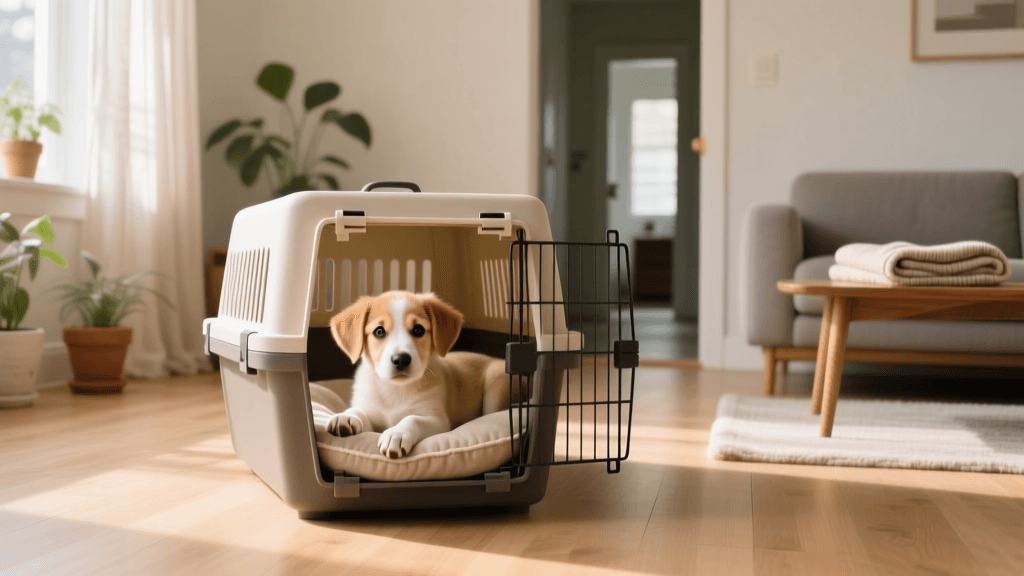
- Crate and Bedding: Both breeds require a 42-inch wire crate for adult sizing. A heavy-duty crate costs $80 to $120, while an orthopedic dog bed (crucial for joint support) will cost $100 to $200.
- Grooming Tools (Golden): An undercoat rake, slicker brush, and professional grooming sessions every 8 weeks will cost around $60 to $90 per session.
Ongoing Monthly and Annual Costs
Large breeds eat significantly more than small dogs. You can expect to feed 3 to 4 cups of high-quality kibble daily. A 30-pound bag of premium dog food costs roughly $75 and will last about five to six weeks, totaling around $600 to $800 annually on food alone.
Furthermore, pet insurance is highly recommended for these breeds due to their susceptibility to orthopedic issues and cancer. Comprehensive pet insurance policies for large breeds typically cost between $50 and $80 per month, depending on your deductible and coverage limits.
Making Your Final Decision
While both breeds are exceptional family companions, your choice should ultimately hinge on your household's activity level, grooming tolerance, and the age of your children.
If you prefer a slightly calmer indoor companion, have the time for meticulous grooming, and want a deeply empathetic, sensitive dog, the Golden Retriever is your ideal match. Their flowing coats and gentle eyes are matched only by their devotion to their families.
If you lead a rugged, outdoor lifestyle, prefer a low-maintenance coat, and want a resilient, high-energy buddy who can keep up with miles of hiking and rough-and-tumble play, the Labrador Retriever is the undisputed champion. Just be sure to lock up the pantry, as their love for food knows no bounds!
Whichever breed you choose, prioritize finding an ethical breeder who performs OFA health testing, or reach out to a breed-specific rescue. By matching the breed's inherent traits to your daily reality, you ensure a harmonious, joyful life with your new best friend.
hannah-wickes
All our authors care for dogs every day — read more of their work on the authors page.