Golden Retriever vs Labrador: Which Dog is Right for You?
Compare the Golden Retriever and Labrador Retriever. Discover temperament, grooming, costs, and which family dog breed is the best fit for your home.
The Ultimate Family Dog Showdown
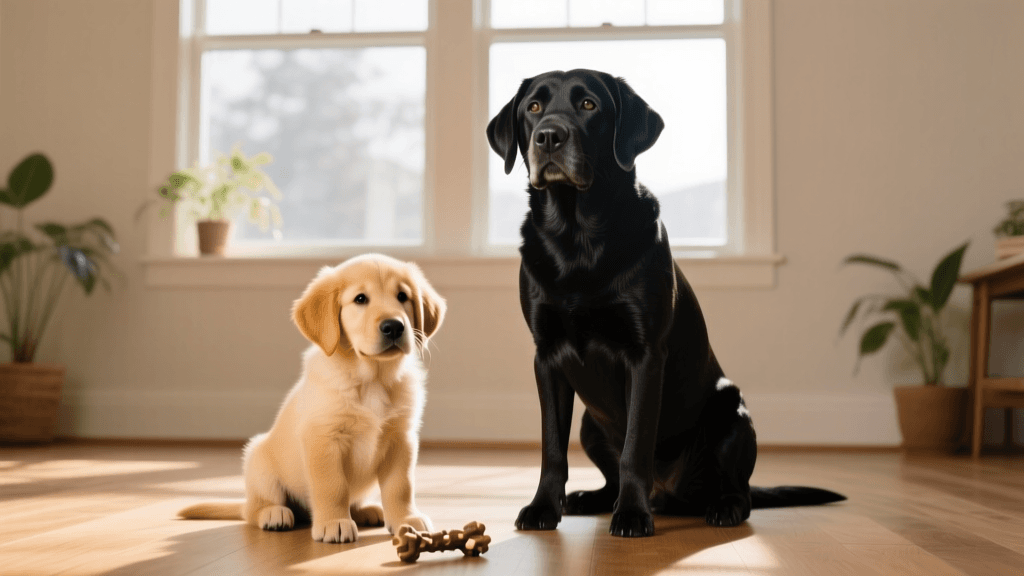
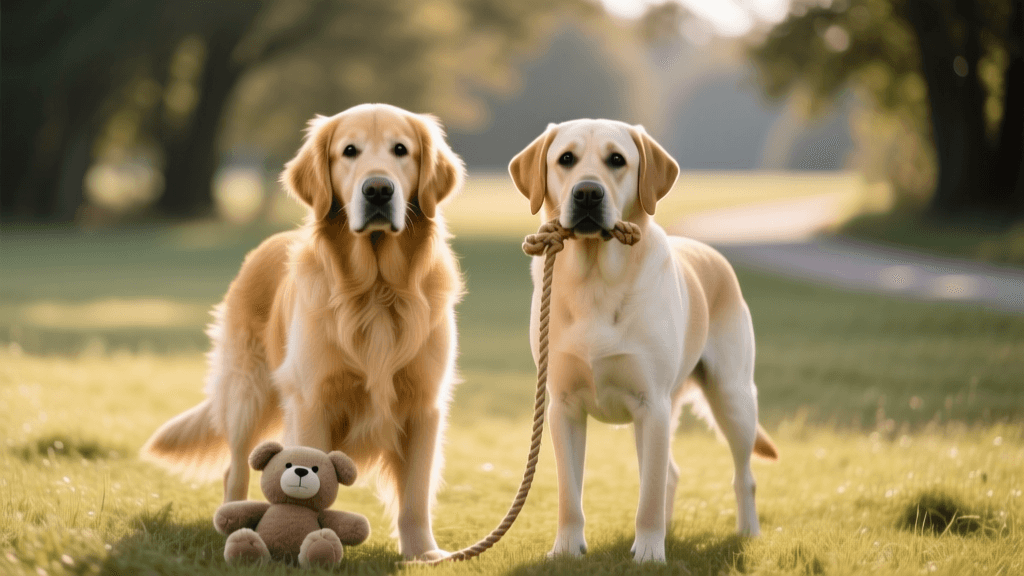
When it comes to selecting the perfect family dog, two breeds consistently dominate the conversation and the American Kennel Club (AKC) popularity charts: the Golden Retriever and the Labrador Retriever. Both are renowned for their loyalty, intelligence, and affectionate nature. However, beneath their similar reputations lie distinct differences in coat care, energy levels, and subtle temperament variations that can make one a better fit for your specific lifestyle than the other.
Breed Origins and History
Understanding where these breeds come from helps explain their modern-day behaviors. The Golden Retriever was developed in the Scottish Highlands during the mid-19th century by Lord Tweedmouth. He sought to create the ultimate hunting companion capable of retrieving game from both water and rugged land. The result was a dog with a soft mouth, an eagerness to please, and a water-repellent double coat.
Conversely, the Labrador Retriever originated in Newfoundland, Canada, not Labrador. Early settlers bred the St. Johns Water Dog to help fishermen haul nets and retrieve escaped fish. According to the AKC breed history, these dogs were later brought to England, where they were refined into the modern Labrador we know today. This working-class heritage gives the Lab a slightly more robust, driven, and high-energy disposition compared to the aristocratic Golden.
Temperament and Personality Traits
The Golden Retriever Disposition
Goldens are famously sensitive and deeply attuned to their owners' emotions. They thrive on positive reinforcement and can become withdrawn if subjected to harsh training methods. Their energy is often described as joyful but manageable. A Golden is typically content to greet you with a wagging tail and a soft nudge, making them excellent therapy dogs and companions for families with very young or gentle children.
The Labrador Retriever Spirit
Labradors are the class clowns of the canine world. They are boisterous, exuberant, and famously lack spatial awareness during their puppy and adolescent stages. A Lab will likely greet you by bringing you a shoe, a toy, or a sock, often jumping up in excitement. While equally loving and loyal, their high-octane energy requires an owner who can channel that enthusiasm into structured activities. They are incredibly resilient and bounce back quickly from corrections, making them slightly more forgiving for first-time owners who are still learning the ropes of dog training.
Physical Characteristics and Grooming Needs
Both breeds possess a dense, water-resistant double coat, but the maintenance required differs significantly.
- Golden Retriever: Known for their luxurious, flowing feathering on the legs, chest, and tail. Goldens require brushing at least three to four times a week using a high-quality slicker brush to prevent painful mats behind the ears and under the armpits. You will need to invest in grooming shears to trim the hair between their paw pads to prevent slipping on hardwood floors.
- Labrador Retriever: Labs have a short, dense coat that is remarkably low-maintenance on a daily basis. A weekly sweep with a rubber curry brush or a deshedding tool like the FURminator is usually sufficient. However, be warned: Labs are notorious for blowing their coat twice a year, leaving a tumbleweed of short, stiff hairs that can weave themselves deeply into carpets and upholstery.
Exercise Requirements and Training Timelines
Neither breed is suited for a sedentary lifestyle. According to the ASPCA general dog care guidelines, active sporting breeds require substantial daily physical and mental stimulation to prevent destructive behaviors.
The 60-Minute Minimum: Both breeds need a minimum of 60 minutes of vigorous exercise daily. For Labs, this should include high-intensity activities like fetch, agility, or swimming to burn off their physical stamina. Goldens enjoy long hikes, swimming, and retrieving but are generally more willing to settle down for a movie on the couch once their exercise quota is met.
Training Timeline: Because both breeds are highly food-motivated and intelligent, training should begin the day they arrive home. Enroll your puppy in socialization classes between 8 and 12 weeks of age. Use high-value treats and interactive puzzle toys like the Kong Classic to keep their minds engaged during crate training and alone-time sessions.
Health and Lifespan Expectations
While both are generally robust breeds with a lifespan of 10 to 12 years, they are predisposed to different genetic health conditions that prospective buyers or adopters must consider.
Golden Retrievers: Unfortunately, Goldens have a well-documented, high susceptibility to certain cancers, particularly hemangiosarcoma and lymphoma. Responsible breeders will provide clearances for hips, elbows, and cardiac health, but cancer remains a prevalent concern in the breed.
Labrador Retrievers: Labs are generally less prone to cancer but are highly susceptible to obesity and joint issues like hip and elbow dysplasia. A Lab will eat until it bursts if given the chance, so strict portion control using a measured feeding schedule is mandatory to protect their joints and overall longevity.
Cost Comparison: What to Budget
Acquiring and maintaining a large sporting breed is a significant financial commitment. Here is a realistic breakdown of first-year costs for either breed:
- Initial Acquisition: Purchasing from a reputable, health-tested breeder typically costs between $1,500 and $2,500. Adoption fees from breed-specific rescues range from $300 to $600.
- Nutrition: Feeding a 60 to 80-pound dog a premium diet like Purina Pro Plan or Royal Canin will cost approximately $60 to $90 per month.
- Preventative Care: Heartworm, flea, and tick preventatives (e.g., NexGard or Simparica Trio) will run about $20 to $30 per month.
- Training and Supplies: Budget at least $300 for puppy kindergarten classes, plus $150 for initial supplies (crate, heavy-duty leash, orthopedic bed, and grooming tools).
Breed Comparison Chart
| Feature | Golden Retriever | Labrador Retriever |
|---|---|---|
| Coat Type | Long, wavy, heavy feathering | Short, dense, straight |
| Shedding Level | Moderate year-round | Heavy seasonal blowing |
| Energy Level | Active, but adaptable | Very high, needs intense outlets |
| Trainability | Highly trainable, sensitive | Highly trainable, resilient |
| Primary Health Risks | Cancer, joint dysplasia | Obesity, joint dysplasia |
| Ideal Owner | Families seeking a gentle, calm companion | Active individuals wanting an adventurous partner |
Final Verdict: Which Should You Choose?
Choosing between a Golden Retriever and a Labrador Retriever ultimately comes down to your household's rhythm and your tolerance for grooming versus high-energy antics. If you prefer a slightly more sensitive, gentle-mannered dog and do not mind dedicating time to weekly brushing and coat maintenance, the Golden Retriever is an unparalleled companion. Their soft demeanor makes them exceptional for homes with toddlers or elderly family members.
On the other hand, if you lead an active, outdoor-centric lifestyle, enjoy hiking or running, and prefer a low-maintenance coat that only requires a quick weekly brush, the Labrador Retriever is your ideal match. Just be prepared to manage their food intake strictly and provide ample physical outlets to keep their exuberant spirits in check. Whichever you choose, you are welcoming one of the most devoted, loving, and iconic dog breeds into your family.
marcus-aldridge
All our authors care for dogs every day — read more of their work on the authors page.