Puppy vs. Adult Dog Adoption: Which Life Stage Fits You?
Discover whether a playful puppy or a calm adult dog is the right fit for your lifestyle. Compare costs, training needs, and life stage care.

Introduction to Life Stage Adoption
Bringing a new dog into your home is a monumental decision that extends far beyond choosing a breed or picking out a cute collar. One of the most critical factors in ensuring a successful, lifelong bond is selecting the right life stage. Whether you are considering an energetic puppy, a settled adult, or a gentle senior, each life stage comes with unique care requirements, financial implications, and lifestyle adjustments. According to the American Kennel Club (AKC), matching a dog's life stage to your daily routine and experience level is the single biggest predictor of adoption success. This comprehensive guide will break down the realities of puppy, adult, and senior dog adoption to help you make an informed, confident choice.
The Puppy Stage: High Energy, High Reward
Puppies, typically defined as dogs between 8 weeks and 1 year of age, are undeniably adorable. However, they are essentially canine toddlers that require immense patience, time, and structured training. The critical socialization window occurs between 8 and 16 weeks, a period where puppies must be safely exposed to various environments, sounds, and people to prevent future behavioral issues.
Time and Training Commitments
Potty training a puppy requires a strict schedule. A general rule of thumb is that a puppy can hold their bladder for one hour per month of age. This means a 2-month-old puppy needs outdoor bathroom breaks every two hours, including throughout the night. Furthermore, puppies go through a teething phase between 3 and 6 months, requiring constant redirection to appropriate chew toys like the Kong Puppy Teething Stick to save your furniture and baseboards.
Financial Costs of a Puppy
The first year of a puppy's life is the most expensive. Initial veterinary costs include a series of DAPP (Distemper, Adenovirus, Parainfluenza, Parvovirus) vaccines, a rabies vaccine, deworming, and spay/neuter surgery. According to the ASPCA, you should budget between $1,500 and $3,000 for a puppy's first year, factoring in high-quality nutrition like Purina Pro Plan Puppy, crate training supplies, and foundational obedience classes.
The Adult Dog Stage: Predictability and Calm
Adult dogs, generally ranging from 1 to 7 years old, offer a level of predictability that puppies simply cannot. When you adopt an adult dog, their personality, size, and energy level are already established. What you see at the shelter or foster home is largely what you will get, making it easier to find a dog that matches your specific lifestyle, whether you are an avid hiker or a homebody.
The 3-3-3 Rule of Decompression
While adult dogs may already be potty trained and know basic commands, they still require an adjustment period. Rescue organizations widely advocate for the '3-3-3 Rule': expect your dog to feel overwhelmed for the first 3 days, start settling in and showing their true personality after 3 weeks, and finally feel completely at home and bonded after 3 months. During this time, a predictable routine and a safe space are vital.
Financial and Time Costs
Adopting an adult dog is generally more cost-effective upfront. Most adult dogs in shelters are already spayed/neutered, microchipped, and up-to-date on core vaccinations. First-year costs typically range from $800 to $1,500, primarily covering high-quality adult food, annual wellness exams, and preventative medications. Time commitments are also lower, as adult dogs usually require standard daily exercise (30 to 60 minutes) rather than the constant supervision a puppy demands.
The Senior Dog Stage: Golden Years Companionship
Senior dogs, typically aged 7 and older, are often overlooked in shelters, yet they make profoundly rewarding companions. The Humane Society of the United States highlights that senior dogs are ideal for individuals seeking a calm, low-energy companion. They are usually past the destructive chewing phase, require less vigorous exercise, and are deeply grateful for a soft place to rest their heads.
Health and Mobility Considerations
The primary consideration for senior dogs is healthcare. Older dogs are more prone to osteoarthritis, dental disease, and cognitive decline. You may need to incorporate joint supplements like Dasuquin Advanced into their daily routine and schedule bi-annual veterinary check-ups. While their daily exercise needs are lower (think leisurely 20-minute sniffaris rather than 5-mile runs), their medical costs can be higher, so pet insurance or a dedicated emergency fund is highly recommended.
Life Stage Comparison Chart
To help visualize the differences, review the comparison table below:
| Life Stage | Age Range | Daily Exercise | Training Needs | Est. First-Year Cost |
|---|---|---|---|---|
| Puppy | 8 weeks - 1 year | Short, frequent play sessions (5 mins per month of age) | High (Potty, crate, bite inhibition, socialization) | $1,500 - $3,000 |
| Adult | 1 - 7 years | 30 - 90 minutes (breed dependent) | Moderate (Decompression, boundary setting, recall) | $800 - $1,500 |
| Senior | 7+ years | 15 - 30 minutes (gentle walks, mental enrichment) | Low (Household routine adjustment, mobility aid) | $1,000 - $2,500 |
Preparing Your Home for Your Chosen Life Stage
Your home preparation must adapt to the physical and behavioral needs of your chosen life stage.
Puppy-Proofing Essentials
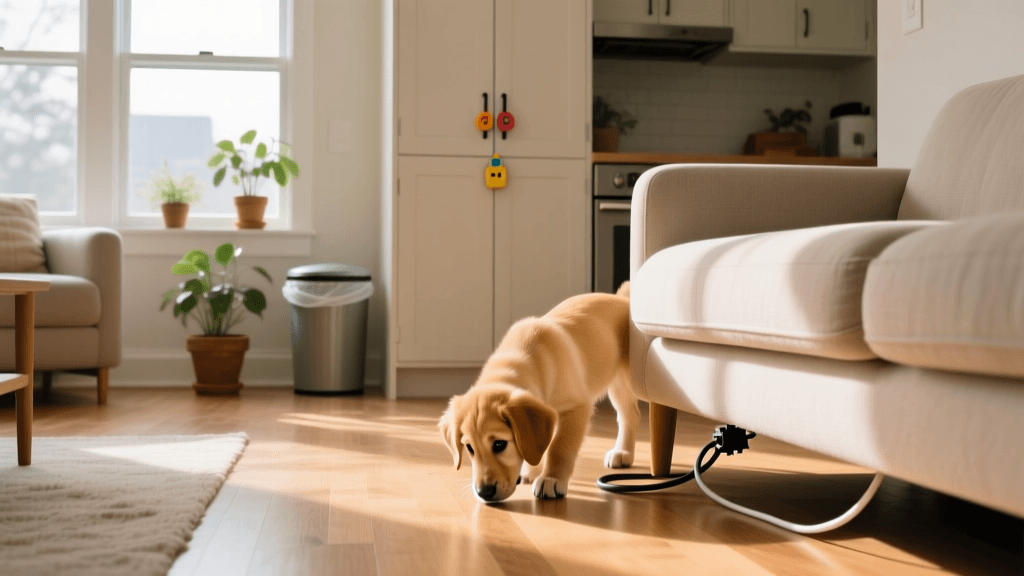
Puppies explore the world with their mouths and can easily squeeze into dangerous spaces. Invest in hardware-mounted baby gates, such as the Carlson Pet Products 26-inch Walk-Through Gate, to block off staircases and kitchens. Ensure all electrical cords are tucked away in cord protectors, and keep toxic houseplants and cleaning supplies elevated or locked behind child-proof cabinet latches.
Adult Dog Setup
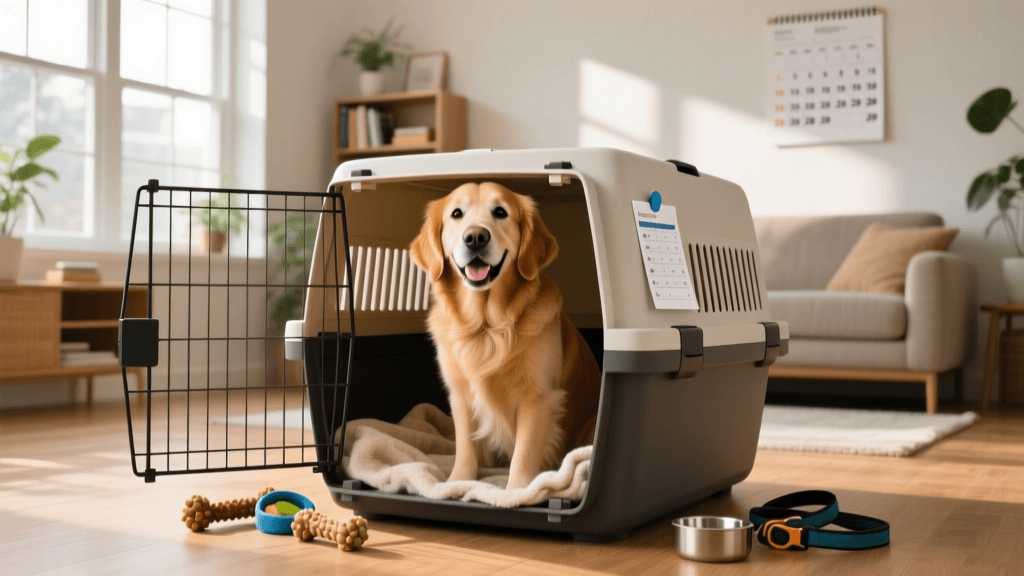
Adult dogs need a designated sanctuary where they can retreat when overwhelmed. A properly sized crate is essential; for a medium-to-large breed, a MidWest Homes for Pets 42-inch Wire Crate provides enough room to stand, turn around, and lie down comfortably. Place the crate in a low-traffic area of your home, equipped with a washable mat and a long-lasting chew to promote positive associations.
Senior Dog Accessibility
For senior dogs, mobility is the primary focus. Hardwood and tile floors can be treacherous for aging joints, so lay down interlocking foam mats or non-slip area rugs in high-traffic zones. If your senior dog struggles to jump onto the couch or bed, provide a sturdy ramp like the PetSafe CozyUp Folding Pet Steps. Additionally, invest in a high-quality orthopedic bed, such as the Big Barker 7-inch Orthopedic Bed, which is clinically proven to reduce joint pain and improve mobility in older dogs.
Making the Final Decision
Choosing between a puppy, an adult, or a senior dog ultimately comes down to an honest assessment of your current lifestyle, financial flexibility, and time availability. Puppies offer the chance to mold a dog from the ground up but demand a massive investment of time and energy. Adult dogs offer a balance of vitality and predictability, fitting seamlessly into active households. Senior dogs provide immediate, calm companionship for those willing to manage their health needs. By carefully considering these life stage care guides, you are setting the foundation for a beautiful, enduring relationship with your new best friend.
tom-renshaw
All our authors care for dogs every day — read more of their work on the authors page.