Best Quiet Dog Breeds for Apartments: A Complete Guide
Discover the best quiet dog breeds for apartments. Compare sizes, energy levels, and grooming needs to find your perfect, peaceful city companion.
The Challenge of Apartment Living with Dogs
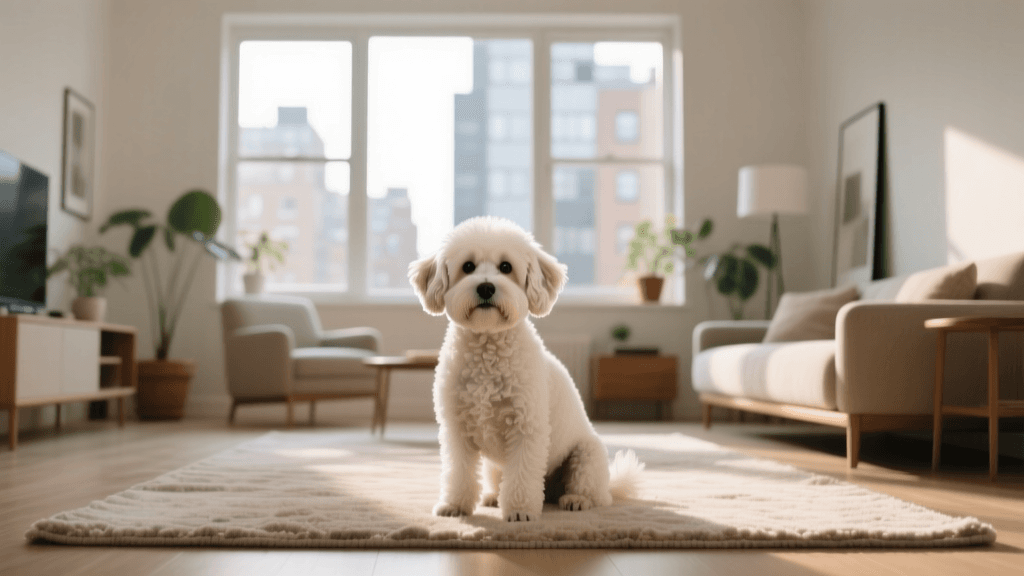
Moving into an apartment or condominium is an exciting milestone, but sharing walls, floors, and ceilings with neighbors introduces unique challenges for dog owners. Noise complaints are consistently ranked as the leading cause of friction in multi-family housing, and excessive barking can quickly lead to lease violations or even eviction. Furthermore, space constraints mean that high-energy working breeds may become frustrated, leading to destructive behaviors and vocalization. When selecting a canine companion for a small space, temperament and vocal tendencies are just as critical as physical size.
According to the American Kennel Club (AKC), selecting a dog for an apartment requires looking beyond just size; a small dog can be highly vocal and energetic, while some larger breeds are perfectly content lounging on a sofa. In this comprehensive guide, we will compare the best quiet dog breeds for apartments, break down the hidden costs of city dog ownership, and provide actionable tips for maintaining a peaceful living environment.
Why Choose a Quiet Breed for Small Spaces?
Dogs bark for many reasons: alerting, boredom, anxiety, or excitement. In a detached single-family home, a vocal dog might only disturb the local wildlife. In an apartment building, a vocal dog disturbs dozens of households. Choosing a breed genetically predisposed to quieter behavior significantly reduces the stress of training and the risk of neighbor disputes. Quiet breeds tend to have lower 'alert' drives, meaning they are less likely to bark at every footstep in the hallway or every siren that passes on the street below.
Top 5 Quiet Dog Breeds for Apartments
1. Cavalier King Charles Spaniel
The Cavalier King Charles Spaniel is the quintessential lap dog. Weighing between 12 and 18 pounds, they are incredibly adaptable and thrive on human companionship. Unlike many small terriers that are prone to yapping, Cavaliers are generally soft-spoken and gentle. They require moderate exercise—a daily 30-minute walk is usually sufficient—making them ideal for busy urban professionals.
- Pros: Highly affectionate, easily trained, minimal barking.
- Cons: Prone to separation anxiety; requires regular brushing to prevent matting.
- Estimated Cost: $1,500 to $2,500 from a reputable breeder.
2. The Retired Greyhound
It is a common misconception that Greyhounds need vast spaces to run. In reality, retired racing Greyhounds are famously known as '45-mph couch potatoes.' Despite their large size (60 to 70 pounds), they sleep up to 18 hours a day and are notoriously quiet indoors. They rarely bark, preferring to communicate with soft whines or by leaning against their owners.
- Pros: Extremely quiet, low indoor energy, gentle temperament.
- Cons: High prey drive (not great with cats), sensitive to cold weather.
- Estimated Cost: $300 to $500 via a retired racer adoption group.
3. Shiba Inu
The Shiba Inu is a Japanese breed known for its cat-like independence and meticulous cleanliness. Weighing 17 to 23 pounds, they are compact enough for apartments but possess a bold personality. Shibas are notoriously quiet dogs; they rarely bark without a profound reason. However, they are famous for the 'Shiba Scream'—a high-pitched vocalization they emit only when highly distressed or exceptionally unhappy, which is rare in a well-cared-for home.
- Pros: Very clean, quiet, independent.
- Cons: Stubborn, requires early socialization, heavy seasonal shedding.
- Estimated Cost: $1,500 to $3,000.
4. Basset Hound
With their short legs and heavy bones, Basset Hounds are not built for speed or endurance. They are scent hounds, meaning their primary instinct is to follow their nose rather than guard their territory. While they can 'bay' when on a scent trail, they are generally very laid-back and quiet inside the home. Their low energy levels make them excellent apartment companions, provided you have an elevator, as carrying a 50-pound dog up four flights of stairs is a daily reality for some owners.
- Pros: Low indoor energy, friendly with strangers, deeply loyal.
- Cons: Stubborn to train, prone to obesity, drooling.
- Estimated Cost: $600 to $1,200.
5. French Bulldog
French Bulldogs have skyrocketed in popularity among city dwellers, and for good reason. Their brachycephalic (flat-faced) anatomy means they physically cannot sustain high-intensity exercise, making them perfectly suited for small apartments. They are alert but rarely aggressive, and their barks are usually low and infrequent. However, prospective owners must budget for potential health issues related to their breathing and spine.
- Pros: Minimal exercise needs, highly adaptable, very quiet.
- Cons: High veterinary costs, sensitive to heat, snores loudly.
- Estimated Cost: $2,000 to $4,000.
Comprehensive Breed Comparison Chart
Use the table below to compare the physical and behavioral traits of these apartment-friendly breeds at a glance.
| Breed | Avg. Weight | Indoor Energy | Barking Level | Grooming Needs | Est. Puppy Cost |
|---|---|---|---|---|---|
| Cavalier King Charles | 12-18 lbs | Low to Moderate | Low | Moderate | $1,500 - $2,500 |
| Greyhound (Retired) | 60-70 lbs | Very Low | Very Low | Low | $300 - $500 (Adoption) |
| Shiba Inu | 17-23 lbs | Moderate | Low | Moderate (Shedding) | $1,500 - $3,000 |
| Basset Hound | 40-65 lbs | Low | Low (Occasional Bay) | Low | $600 - $1,200 |
| French Bulldog | Under 28 lbs | Very Low | Low | Low | $2,000 - $4,000 |
Hidden Costs of Apartment Dog Ownership
When budgeting for a new dog, many first-time owners focus solely on food and veterinary care. However, apartment living introduces several unique financial considerations. The ASPCA outlines that annual dog care costs can easily exceed $1,500, but urban dog owners should prepare for additional housing-related expenses:
- Pet Rent and Deposits: Many landlords charge a non-refundable pet fee ($200-$500) and a monthly 'pet rent' ranging from $25 to $75. Over a year, this adds $300 to $900 to your housing budget.
- Balcony Potty Systems: If you live in a high-rise, taking the elevator down 15 floors at 6:00 AM during a blizzard is exhausting. Subscription-based indoor grass patches, such as DoggieLawn or Fresh Patch, cost approximately $30 to $40 per month.
- Soundproofing Materials: To protect your security deposit and maintain good neighbor relations, you may need to invest in thick area rugs ($100-$300) or acoustic door sweeps ($30-$50) to muffle the sound of dog nails and thumping tails.
- Dog Walkers and Daycare: If you work long hours in a corporate office, an apartment dog cannot simply wander into a fenced backyard. Urban dog walking services typically charge $20 to $30 per 30-minute walk.
Actionable Tips for Noise Management and Enrichment
Even the quietest breeds can develop nuisance barking if they are bored, anxious, or under-stimulated. The Humane Society of the United States emphasizes that addressing the root cause of barking—usually boredom or fear—is far more effective than punitive training methods. Here is how to keep your apartment dog happy and quiet.
1. Implement Indoor Enrichment
Physical exercise is important, but mental fatigue is the secret to a quiet apartment dog. A dog that spends 20 minutes working for its food will sleep as soundly as one that ran for an hour. Invest in puzzle toys like the Outward Hound Hide-A-Squirrel or a Kong Wobbler. Snuffle mats, which allow dogs to forage for kibble in fabric strips, engage their natural scenting instincts and can burn significant mental energy while you are on a work call.
2. Desensitize to Hallway Triggers
The most common trigger for apartment dogs is the sound of neighbors walking past the front door. To prevent alert barking, practice desensitization. Record the sounds of footsteps, keys jingling, and doors closing. Play these sounds at a very low volume while feeding your dog high-value treats like freeze-dried liver or boiled chicken. Gradually increase the volume over several weeks. Your dog will learn to associate hallway noises with positive rewards rather than perceived intruders.
3. Create a 'Cave' Environment
Dogs are den animals, and apartments can feel overwhelmingly open and chaotic. Provide a covered crate or a 'cave-style' dog bed placed in a low-traffic corner of your living space. Covering a wire crate with a breathable blanket can significantly reduce visual stimuli from windows and moving shadows, helping anxious dogs settle down and remain quiet when you leave for work.
4. Manage Separation Anxiety Proactively
Quiet breeds like the Cavalier King Charles Spaniel and French Bulldog are deeply bonded to their owners and prone to separation anxiety. Before leaving for the day, avoid making a big fuss. Leave your dog with a long-lasting chew, such as a bully stick or a frozen Kong stuffed with peanut butter, to keep them occupied during the critical first 30 minutes of your departure, which is when anxiety levels typically peak.
Final Thoughts on Breed Selection
Choosing the right dog for an apartment is about matching your lifestyle to the breed's genetic predispositions. While a Greyhound might surprise you with its laziness, and a Shiba Inu might challenge you with its independence, all the breeds listed above share a common trait: a general willingness to coexist peacefully in close quarters. By selecting a naturally quieter breed, budgeting for urban pet fees, and investing in mental enrichment, you can create a harmonious home for both your new best friend and your neighbors.
beth-carrasco
All our authors care for dogs every day — read more of their work on the authors page.