Step-by-Step Decompression Training for New Rescue Dogs
Learn how to help your newly adopted rescue dog settle in with our step-by-step decompression training guide for the crucial first 72 hours.
Bringing a newly adopted dog home is one of the most exciting milestones in the Getting a Dog journey. However, the transition from a stressful shelter environment to a quiet home can be overwhelmingly chaotic for a rescue dog. This is where decompression training becomes absolutely essential. Decompression is the structured process of allowing a dog to unwind, process their new surroundings, and lower their cortisol levels without the pressure of immediate obedience training or forced socialization.
In this step-by-step guide, we will walk you through the crucial first 72 hours of bringing your rescue dog home, ensuring a smooth transition and setting the foundation for a lifelong bond.
What Is Dog Decompression?
When a dog lives in a shelter, they are subjected to constant noise, unfamiliar scents, and a severe lack of routine. This chronic stress elevates their cortisol levels. Cortisol, the primary stress hormone, can remain elevated in a dog's bloodstream for days or even weeks after a major environmental change. This physiological state means the dog is operating in 'survival mode,' making them hyper-reactive to noises, movements, and other animals.
According to the ASPCA, it can take weeks for a dog's stress hormones to return to baseline after adoption. Decompression training is not about teaching commands like 'sit' or 'stay'; it is about teaching the dog that they are safe, allowing them to decompress at their own pace.
Preparing Your Home Before Arrival
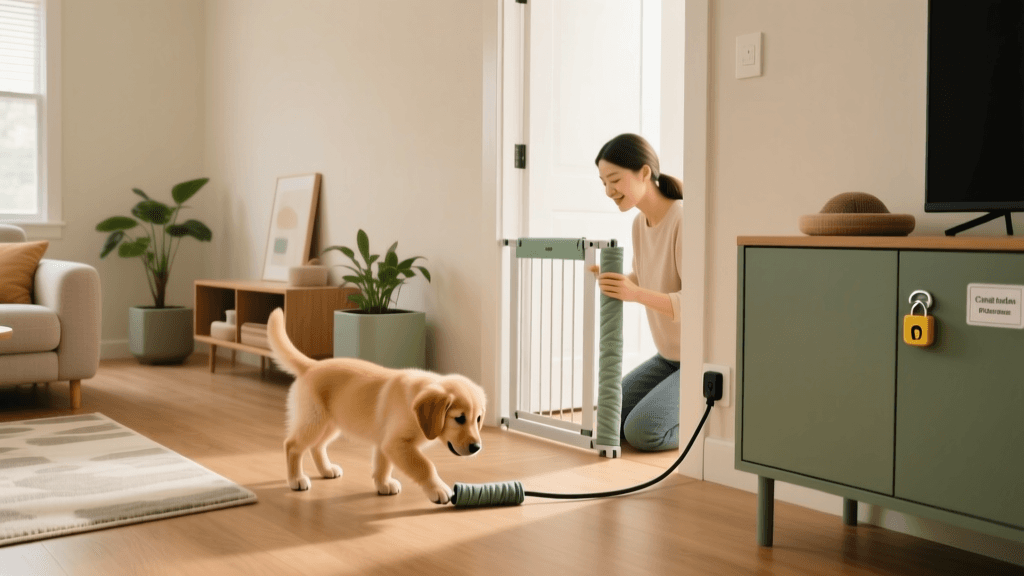
Before your dog's paws cross the threshold, you must prepare a dedicated safe zone. This is a quiet, low-traffic room (like a spare bedroom or a gated section of the living room) where the dog can retreat.
- Crate Setup: Place a properly sized crate in the safe zone. For a medium-sized dog (30-50 lbs), a 36-inch wire crate is ideal. Cover the top and sides with a breathable blanket to create a den-like atmosphere.
- Scent Soakers: Place an old t-shirt you have worn (unwashed) in the crate. Your scent will begin to associate with safety.
- Environmental Control: Use a white noise machine or a fan to drown out household sounds, and ensure all electrical cords and toxic houseplants are removed from the floor level.
Step 1: The Car Ride Home
The decompression process begins the moment you leave the shelter. Do not let the dog roam freely in the car. Secure them in a crash-tested harness or a secured travel crate. Keep the car environment calm: play classical music or reggae at a low volume (studies show these genres lower canine heart rates), and avoid making frequent stops. Speak in a low, soothing voice, but do not force interaction if the dog is hiding, panting heavily, or drooling.
Step 2: The First 24 Hours (The Arrival)
Your first goal upon arriving at your driveway is a structured potty break. Keep the dog on a 6-foot fixed-length leash (avoid retractable leashes, which offer poor control and can cause leash burns). Allow them to sniff and eliminate. Praise quietly and offer a high-value treat, like boiled chicken or freeze-dried liver.
Entering the Home
Lead the dog directly to their pre-prepared safe zone. Do not give them a full tour of the house; too much space can trigger anxiety and overstimulation. Unclip the leash, offer a long-lasting chew (like a bully stick or a frozen Kong stuffed with peanut butter), and sit quietly in the room. Ignore the dog if they are pacing or hiding. Let them initiate contact. The goal of the first 24 hours is radical boredom and zero demands.
Step 3: Days 2 and 3 (Establishing Routine)
As you move into days two and three, your focus shifts to establishing a predictable routine. Dogs thrive on predictability. Feed them at the exact same times, take them out for potty breaks on a strict schedule, and introduce short, structured 'sniffari' walks.
The Power of Sniffaris
A 'sniffari' is a walk where the dog's nose leads the way. Sniffing is a natural decompression activity that lowers a dog's pulse rate and provides immense mental enrichment. Use a 10-to-15-foot long line in a quiet, grassy area. Let them sniff a single bush for five minutes if they wish to. Mental exhaustion from sniffing is often more effective for decompression than physical exhaustion from running.
Step 4: Days 4 to 7 (Building Trust)
By day four, you can begin introducing low-pressure bonding activities. Hand-feeding your dog their daily kibble ration is an excellent way to build trust and establish yourself as the provider of good things. You can also introduce basic boundary games, such as tossing treats onto their bed to reward them for choosing to settle in their safe space. Keep training sessions under five minutes to prevent frustration.
Essential Decompression Gear Checklist
Having the right tools can make or break the decompression period. Below is a structured checklist of essentials for your first week.
| Item | Purpose | Recommended Specification | Estimated Cost |
|---|---|---|---|
| Fixed-Length Leash | Safe potty breaks and initial walks | 6-foot Biothane or Leather | $25 - $40 |
| Wire Crate | Safe den for sleeping and downtime | 36-inch or 42-inch with divider | $50 - $80 |
| Long Line | Sniffaris and safe outdoor exploration | 15-foot Biothane (waterproof) | $30 - $45 |
| Snuffle Mat | Indoor mental enrichment and foraging | Fleece, machine washable | $20 - $35 |
| Calming Chews | Supplemental anxiety support | L-Theanine or Hemp-based | $15 - $25 |
The 3-3-3 Rule of Dog Adoption
Decompression training is deeply tied to the famous '3-3-3 Rule' of rescue dog adoption, widely advocated by organizations like Best Friends Animal Society. Understanding this timeline will manage your expectations and prevent frustration.
- 3 Days: The dog is overwhelmed, scared, and unsure of their new environment. They may not eat, drink, or potty normally. Decompression is the only priority.
- 3 Weeks: The dog starts to settle, learn your routine, and show their true personality. Behavioral quirks or minor issues may begin to surface.
- 3 Months: The dog finally feels secure, builds trust, and fully integrates into your family's pack dynamic.
Common Decompression Mistakes to Avoid
Even well-meaning owners can accidentally sabotage the decompression process. Avoid these common pitfalls during the first week:
1. Hosting a 'Welcome Home' Party
Inviting friends and family over to meet the new dog is incredibly stressful. To the dog, these are strangers invading their new, fragile safe space. Wait at least two to three weeks before introducing new people, and do so one at a time in a neutral outdoor space.
2. Off-Leash Freedom Too Soon
It is a tragic reality that many newly adopted dogs bolt and get lost because owners let them off-leash in an unfenced area before a bond is established. The Humane Society of the United States strongly advises keeping new dogs on a leash or in fully enclosed areas until they have proven reliable recall, which takes months, not days.
3. Punishing Fear-Based Behaviors
If your dog growls, hides, or has an indoor accident, do not punish them. These are symptoms of stress and a lack of understanding. Punishment will only elevate their cortisol levels and destroy the trust you are trying to build. Instead, manage the environment to prevent accidents and reward calm behavior.
When to Seek Professional Help
While some stress is normal, extreme signs of distress require professional intervention. If your dog refuses to eat or drink for more than 48 hours, exhibits severe resource guarding, or shows signs of panic attacks (destructive escape attempts, self-mutilation), consult a certified veterinary behaviorist or a fear-free certified dog trainer immediately. Early intervention is key to successful rehabilitation.
Final Thoughts on Getting a Dog
The 'Getting a Dog' phase is a marathon, not a sprint. By prioritizing decompression training during those critical first 72 hours, you are communicating to your new rescue that they are finally safe. Patience, structure, and empathy will transform a stressed shelter dog into a confident, beloved family member.
tom-renshaw
All our authors care for dogs every day — read more of their work on the authors page.