The Ultimate Puppy-Proofing Guide For First-Time Owners
Prepare your home for a new puppy with our room-by-room puppy-proofing guide. Discover essential safety tips, costs, and products for first-time owners.
Why Puppy-Proofing is Crucial for First-Time Owners
Bringing a new puppy home is one of the most exciting milestones for a first-time dog owner. However, puppies are naturally curious, highly energetic, and explore the world primarily through their mouths. To a puppy, your home is a massive playground filled with fascinating textures, intriguing smells, and hidden dangers. According to the American Kennel Club (AKC), thousands of puppies visit emergency veterinary clinics every year due to accidental ingestion of household toxins, choking hazards, and electrical shocks.
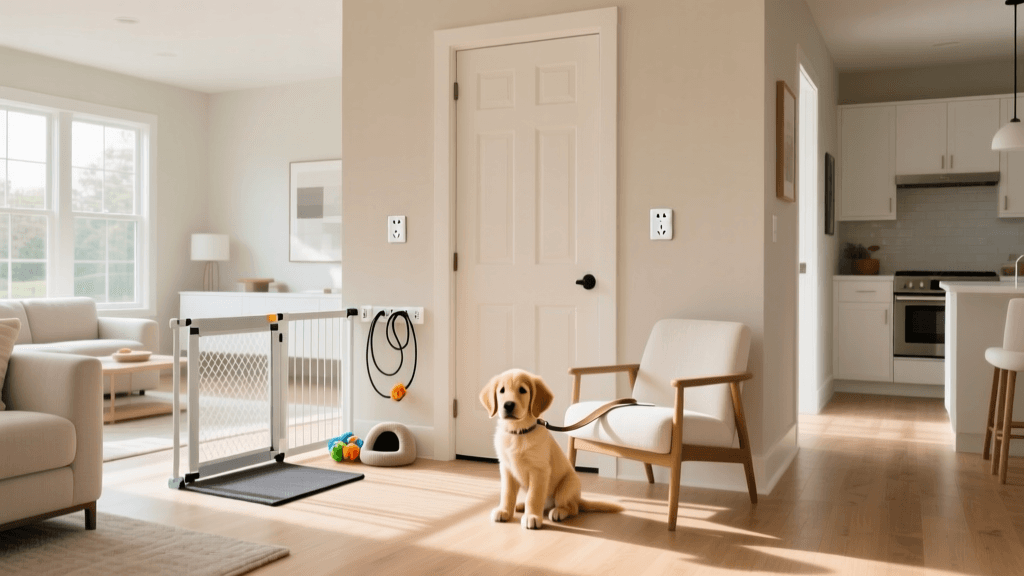
As a first-time owner, you must view your home from a puppy's perspective—literally. Get down on your hands and knees to spot dangling cords, small objects wedged under furniture, and toxic plants within tail-wagging reach. Ideally, you should begin the puppy-proofing process at least two weeks before your dog arrives. This gives you ample time to order necessary safety products, rearrange furniture, and establish secure zones. Below is your comprehensive, room-by-room guide to creating a safe, welcoming environment for your new furry family member.
Room-by-Room Puppy-Proofing Checklist
The Kitchen and Dining Area
The kitchen is arguably the most dangerous room in the house for a new puppy. Between dropped food, accessible trash, and toxic cleaning supplies, the hazards are abundant. First, secure your trash cans. Invest in a heavy-duty, locking trash can like the simplehuman 13-Gallon Step Can with a Locking Lid (approx. $80). Puppies can easily knock over lightweight bins, leading to ingestion of dangerous food scraps like cooked bones, which can splinter and cause intestinal blockages.
Next, address your lower cabinets. Puppies can learn to nudge open cabinet doors with their paws or snouts. Install magnetic childproof locks, such as the Safety 1st Magnetic Locking System ($25 for a multi-pack), on all cabinets containing cleaning chemicals, dish soap, and human medications. Furthermore, be hyper-aware of food hazards. Xylitol (an artificial sweetener found in sugar-free gum and some peanut butters), chocolate, grapes, raisins, and onions are highly toxic to dogs. Always keep these items on high shelves or inside the refrigerator.
The Living Room
The living room is where your puppy will likely spend most of their waking hours, making it a prime area for chewing and digging. Electrical cords are a massive risk. A puppy's sharp teeth can easily pierce the rubber casing of a lamp cord, resulting in severe burns or fatal electrocution. Bundle loose wires together and conceal them using JOTO Cable Management Sleeves or rigid PVC cord covers. For cords that cannot be hidden, apply a deterrent spray like Grannick's Bitter Apple Spray ($12) to discourage chewing.
Houseplants are another common living room hazard. Many popular indoor plants, including Sago Palms, Pothos, and Peace Lilies, are highly toxic if ingested. The ASPCA's Toxic and Non-Toxic Plants database is an invaluable resource for first-time owners. Relocate toxic plants to high hanging baskets or replace them with pet-safe alternatives like Spider Plants or Boston Ferns. Finally, scan the floor and low coffee tables for small choking hazards like coins, hair ties, remote control buttons, and children's toys (such as Legos).
Bathrooms and Laundry Rooms
Bathrooms present unique risks, primarily involving water and chemicals. Always keep the toilet lid closed; puppies can easily fall in, struggle to get out, and drown, or they may drink from the bowl, which is especially dangerous if you use automatic toilet bowl cleaners. Store all medications, vitamins, and supplements in high, latched medicine cabinets. Never leave pills on the bathroom counter, as a puppy can easily knock them down and consume them.
In the laundry room, keep detergents, fabric softeners, and bleach on high shelves or behind locked doors. Laundry pods are particularly dangerous because they resemble chew toys and contain highly concentrated, caustic chemicals. Additionally, always check the inside of your washer and dryer before closing the doors and starting a load, as puppies love to crawl into warm, dark, enclosed spaces to nap.
Bedrooms and Home Offices
Bedrooms and home offices are filled with personal items that puppies love to chew. Shoes, socks, and slippers should be kept inside closed closets. Swallowed socks and underwear are a leading cause of gastrointestinal obstructions requiring expensive emergency surgery. In the home office, secure your laptop chargers, phone cables, and paper shredders. Keep important documents and small office supplies like paperclips, thumbtacks, and rubber bands in closed drawers.
Outdoor Safety: Securing Your Yard
If you have a yard, it must be a secure fortress before your puppy steps paw outside. Inspect your perimeter fencing meticulously. Look for gaps, loose boards, or areas where the soil has eroded beneath the fence line. A general rule of thumb is that if you can fit your fist through a gap, a determined puppy can squeeze their head and body through it. Fill any gaps larger than 3 inches with hardware cloth or concrete.
Be mindful of your landscaping. Cocoa bean mulch, while smelling delightful and looking attractive in garden beds, contains theobromine—the same toxic compound found in chocolate. Opt for pet-safe alternatives like cedar or pine mulch. If you have a swimming pool, ensure it is completely fenced off, or invest in a pool safety cover and a Swimmer Safety Ramp so your puppy can easily exit the water if they accidentally fall in.
Estimated Costs for Puppy-Proofing
Budgeting for a puppy goes beyond the adoption fee and initial vet visits. Setting aside funds to properly puppy-proof your home is a vital investment in your dog's safety and your peace of mind. Below is a breakdown of typical puppy-proofing expenses for first-time owners.
| Item / Product Category | Estimated Cost | Priority Level |
|---|---|---|
| Pressure-Mounted Baby Gates (e.g., Regalo Easy Step) | $40 - $60 each | High |
| Locking Trash Cans | $60 - $100 | High |
| Magnetic Cabinet Locks (Multi-pack) | $20 - $30 | High |
| Cable Management Sleeves / Cord Protectors | $15 - $25 | High |
| Bitter Apple / Anti-Chew Deterrent Spray | $10 - $15 | Medium |
| Pet-Safe Carpet Stain & Odor Remover | $15 - $25 | Medium |
| Durable Chew Toys (e.g., KONG Classic, Nylabone) | $20 - $40 | High |
| Fence Gap Repairs / Hardware Cloth | $30 - $100+ | High (If applicable) |
Note: Costs can vary based on the size of your home, the number of rooms requiring gates, and the specific brands you choose. Expect to spend between $250 and $500 total to fully puppy-proof an average-sized home.
Common Household Toxins to Memorize
As a first-time owner, you must familiarize yourself with common household toxins. The ASPCA Animal Poison Control Center recommends keeping their emergency hotline number saved in your phone. Here is a quick-reference list of everyday items that are highly toxic to dogs:
- Human Medications: Ibuprofen, acetaminophen, antidepressants, and ADHD medications.
- Foods: Xylitol, chocolate, macadamia nuts, garlic, onions, grapes, and raisins.
- Plants: Sago Palm, Oleander, Azalea, Rhododendron, and Tulip bulbs.
- Chemicals: Antifreeze (ethylene glycol), rat poison, snail bait, and flea/tick products meant for cats.
- Essential Oils: Tea tree oil, eucalyptus, citrus oils, and pennyroyal.
'Puppies do not have an innate sense of what is safe and what is dangerous. It is entirely up to the owner to manage the environment and prevent access to hazards before an accident occurs.' — Veterinary Behaviorists
Creating a Safe 'Puppy Zone'
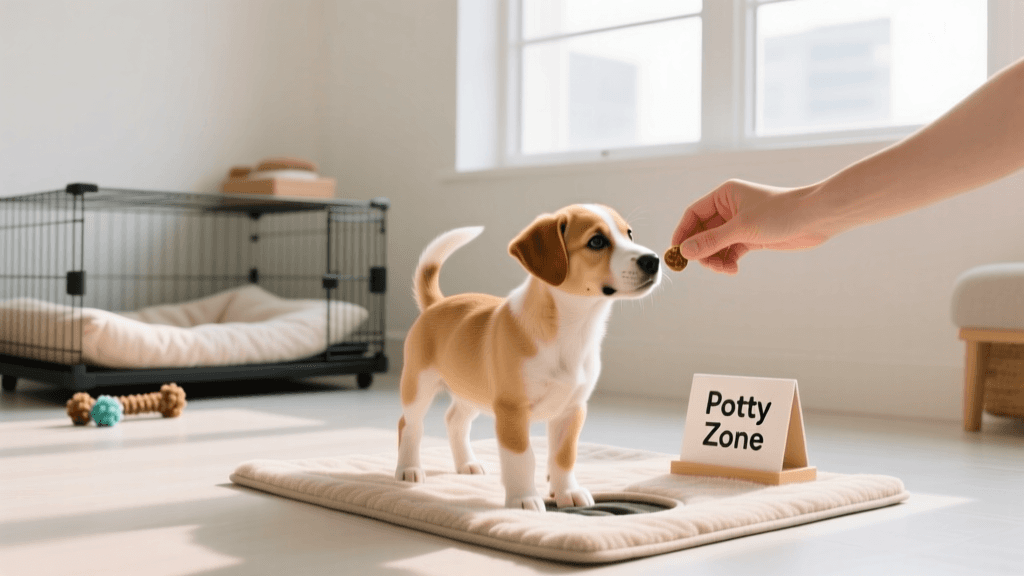
Even with meticulous puppy-proofing, you cannot watch your dog every second of the day. This is why establishing a designated 'Puppy Zone' is critical. Use a sturdy exercise pen or a properly sized wire crate placed in a low-traffic but socially connected area of your home, like the corner of the living room. This zone should contain their water bowl, a comfortable bed, and safe, interactive toys like a frozen KONG stuffed with puppy-safe peanut butter.
When you are cooking, showering, or otherwise unable to actively supervise your puppy, place them in their safe zone. This prevents them from developing bad habits, such as chewing on baseboards or stealing food from the counter, and keeps them out of harm's way. Over time, this space will become their personal sanctuary where they feel secure and relaxed.
Final Thoughts for First-Time Owners
Puppy-proofing your home is not a one-time chore; it is an ongoing process. As your puppy grows, their reach will expand, and their problem-solving skills will sharpen. A cabinet that was safe from a 10-pound puppy might easily be pried open by a 40-pound adolescent dog. Continually reassess your home's safety as your dog matures, and always err on the side of caution. By taking these proactive steps, you are setting the foundation for a safe, happy, and stress-free life with your new best friend.
marcus-aldridge
All our authors care for dogs every day — read more of their work on the authors page.