Getting a Senior Dog: Home Prep and First-Day Essentials
Discover how to prepare your home for a senior dog. Learn about essential gear, life stage care, mobility aids, and first-day tips for older adoptees.
The Rewarding Choice of Adopting a Senior Dog
When deciding to bring a new canine companion into your life, the spotlight often falls on puppies or young adults. However, adopting a senior dog is an incredibly rewarding decision that offers a unique set of joys. Older dogs typically come with established personalities, lower energy requirements, and a profound capacity for gratitude. Yet, getting a dog in their twilight years requires a distinct approach to preparation, home modification, and life stage care. This guide will walk you through the essential steps to prepare your home, select the right gear, and ensure a smooth transition for an aging adoptee.
Understanding the Senior Life Stage
Before you bring your new dog home, it is vital to understand what defines the 'senior' life stage. According to the American Veterinary Medical Association (AVMA), dogs are generally considered senior when they reach the last 25% of their expected lifespan. Because life expectancy varies drastically by size and breed, a Great Dane might be considered senior at six years old, while a Chihuahua may not reach senior status until ten or eleven.
Aging brings predictable physiological changes: decreased metabolic rate, reduced sensory acuity (vision and hearing loss), joint stiffness, and potential cognitive decline. Recognizing these factors is the first step in tailoring your home environment to meet their specific needs.
Preparing Your Home for Mobility and Comfort
Senior dogs often struggle with mobility issues such as osteoarthritis or general muscle atrophy. Slippery floors and steep stairs can quickly become hazardous. Here is how to dog-proof and senior-proof your living space:
Flooring and Traction
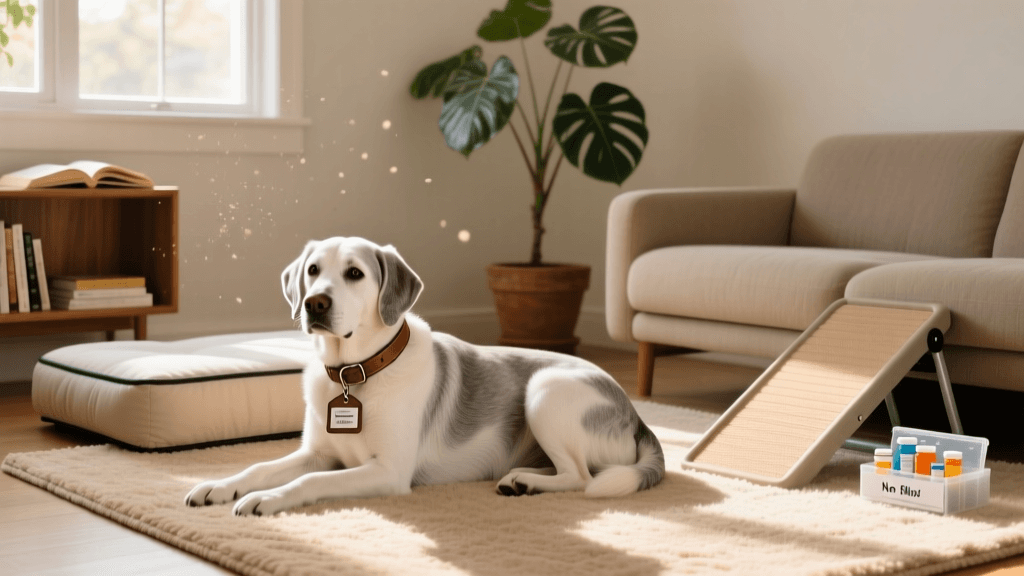
Hardwood, tile, and laminate floors are notoriously slippery for older dogs with weakened hindquarters. Invest in interlocking foam mats or low-pile area rugs with non-slip rug pads. Place these strategically along high-traffic routes, especially leading to the food bowls, water stations, and the dog bed.
Ramps and Stairs
If your dog is allowed on furniture or needs to enter an SUV, jumping is no longer a safe option. Purchase a pet ramp with a gentle incline—ideally between 18 and 22 degrees. Look for ramps with a high-traction surface, such as the PetSTEP Folding Pet Ramp, which can support up to 500 pounds and provides a wide, stable walking path.
Lighting and Sensory Aids
As dogs age, their night vision deteriorates, and conditions like nuclear sclerosis or cataracts become common. Install motion-sensor nightlights in hallways and near the door they use for potty breaks to prevent disorientation and accidents during nighttime bathroom trips. Consider using tactile markers, like a specific textured rug runner, to help a visually impaired dog navigate from the bedroom to the living room.
First-Day Essentials: Puppy Gear vs. Senior Gear
Many first-time dog owners mistakenly purchase standard puppy supplies. A senior dog requires specialized gear that accommodates their physical limitations. Below is a comparison chart to help you allocate your budget effectively.
| Category | Puppy / Young Adult Gear | Senior Dog Gear | Estimated Cost |
|---|---|---|---|
| Bedding | Standard polyester dog bed | Orthopedic memory foam bed (min. 4-inch high-density base) | $120 - $250 |
| Feeding | Standard floor-level bowls | Raised ceramic bowls (elevated 4 to 6 inches to reduce neck strain) | $30 - $60 |
| Walking Gear | Standard collar or basic harness | Support harness with a dorsal lifting handle (e.g., Ruffwear Web Master) | $60 - $90 |
| Play & Enrichment | High-impact fetch toys, tug ropes | Snuffle mats, lick mats, and soft plush toys for low-impact play | $20 - $45 |
Pro Tip: When selecting an orthopedic bed, avoid beds labeled merely as 'egg-crate foam.' Look for high-density, human-grade memory foam that will not flatten out under the dog's weight over time. Brands like Big Barker or K9 Ballistics offer excellent joint support for aging dogs.
Nutrition and Veterinary Baselines
Nutritional needs shift dramatically as dogs enter their senior years. The Cummings School of Veterinary Medicine at Tufts University notes that while some senior dogs require lower-calorie diets due to decreased activity, others may actually need higher-calorie, highly digestible foods if they begin to lose muscle mass or experience a declining appetite.
The First Vet Visit
Schedule a comprehensive veterinary exam within the first week of bringing your senior dog home. Request a senior blood panel, which includes a complete blood count (CBC), chemistry panel, and urinalysis. This establishes a crucial baseline for kidney and liver function. Budget anywhere from $150 to $300 for this initial comprehensive senior wellness exam and baseline lab work. Additionally, discuss joint supplements containing glucosamine, chondroitin, and omega-3 fatty acids (EPA/DHA) to manage inflammation and support cartilage health.
Dental disease is also rampant in older dogs. Ask your vet to evaluate your dog's teeth and gums, as untreated periodontal disease can lead to systemic infections affecting the heart and kidneys.
The 3-3-3 Rule and Cognitive Decompression
The transition to a new home is stressful for any dog, but older dogs may take longer to decompress. The ASPCA emphasizes the importance of patience and routine when integrating an older dog into a new family. Follow the 3-3-3 rule of rescue:
- The First 3 Days: Your dog may feel overwhelmed, scared, or unsure. They might not eat or drink normally and may hide. Provide a quiet, dimly lit space and avoid introducing them to too many people or new environments.
- The First 3 Weeks: The dog is learning your routine and figuring out their new environment. Their true personality begins to emerge, and you may notice minor behavioral quirks or boundaries being tested.
- The First 3 Months: Your senior dog finally feels secure, realizing this is their forever home. Trust is fully established, and a deep bond is formed.
Managing Canine Cognitive Dysfunction (CCD)
Be aware of Canine Cognitive Dysfunction, the canine equivalent of dementia. Symptoms include 'sundowning' (pacing or whining late at night), getting stuck in corners, or forgetting house-training rules. Maintain a strict daily routine for feeding and potty breaks to reduce anxiety. If you notice severe cognitive decline, consult your veterinarian about medications or prescription therapeutic diets rich in antioxidants and medium-chain triglycerides (MCTs) to support brain health.
Final Thoughts on Senior Dog Adoption
Getting a senior dog is not about the length of time you will spend together, but the depth of the connection you will forge. By proactively modifying your home, investing in life-stage-appropriate gear, and partnering closely with your veterinarian, you can ensure your new companion's golden years are truly golden. The quiet companionship and gentle love of an older dog are unmatched, making every bit of preparation entirely worth the effort.
aaron-whyte
All our authors care for dogs every day — read more of their work on the authors page.