Cure Separation Anxiety 2026: Furbo 3 & Adaptil Protocol
Learn how to cure canine separation anxiety in 2026 using a step-by-step Furbo 3 camera and Adaptil pheromone desensitization training protocol.
The Modern Approach to Canine Separation Anxiety
Separation anxiety remains one of the most emotionally taxing behavioral challenges for dog owners. It is not a display of spite or poor obedience; rather, it is a genuine panic disorder triggered by isolation. As we navigate 2026, veterinary behaviorists and certified professional dog trainers increasingly advocate for a multi-modal approach to treating this condition. By combining systematic desensitization with modern smart home technology and synthetic pheromone therapy, owners can effectively rewire their dog's emotional response to being left alone.
This comprehensive guide details a specific, highly effective protocol utilizing the Furbo 3 Dog Camera and the Adaptil Calm Home Diffuser. Together, these tools provide the environmental support and real-time feedback necessary to execute micro-departures without pushing your dog past their anxiety threshold.
Understanding the Science of the 2026 Tech and Pheromone Setup
The Role of Dog Appeasing Pheromones (DAP)
Before beginning any departure training, it is crucial to establish a calming baseline in your home. The Adaptil Calm Home Diffuser releases synthetic dog-appeasing pheromones, which mimic the comforting pheromones produced by a nursing mother dog. According to clinical studies, these pheromones significantly reduce stress-related behaviors in canines. For the 2026 protocol, plug the diffuser into the room where your dog spends the most time when you are home. Ensure it is not placed behind furniture or near open windows, as it needs to cover up to 700 square feet of unobstructed space to be effective. Allow the diffuser to run continuously for at least 48 hours before initiating your first training session.
Leveraging AI Camera Tech for Micro-Departures
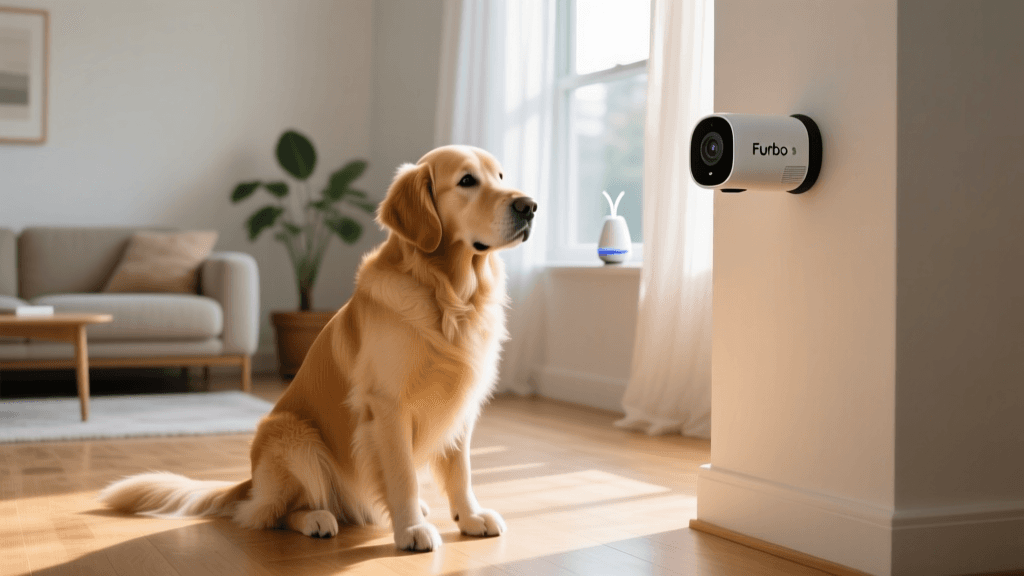
The Furbo 3 is a cornerstone of modern separation anxiety training because of its updated 2026 AI features. Unlike older models that merely record video, the Furbo 3 utilizes advanced machine learning to detect specific anxiety indicators, such as pacing, whining, and excessive panting. Its 360-degree auto-roaming feature allows the camera to follow your dog's movements, giving you a complete view of their stress levels from your smartphone. More importantly, the treat-tossing function allows you to dispense high-value rewards remotely, helping to build a positive association with your absence.
Pre-Departure Enrichment Routines
A tired dog is not necessarily a calm dog, but a mentally fulfilled dog is far more resilient to stress. Before initiating any departure protocol, engage your dog in a 15-minute mental enrichment session. In 2026, force-feeding from a bowl is considered outdated for dogs with behavioral challenges. Instead, use puzzle feeders, snuffle mats, or frozen lick mats layered with bone broth and freeze-dried raw toppers. Licking and chewing are naturally self-soothing behaviors that release endorphins in the canine brain, lowering their overall heart rate and cortisol levels before you even reach for your keys.
The 4-Week Systematic Desensitization Protocol
Systematic desensitization involves exposing your dog to the triggers of your departure (putting on shoes, jingling keys, opening the door) at an intensity so low that it does not elicit a panic response. The Furbo 3 camera is your eyes on the ground, allowing you to monitor your dog's body language from the other side of the door or down the street.
Week 1: Desensitizing Pre-Departure Cues
Dogs with separation anxiety often begin panicking long before you leave. They recognize the sequence of events: alarm clock, shower, coffee, shoes, keys. Spend Week 1 breaking these associations. Pick up your keys and then sit back down on the couch. Put on your coat and then take it off to make a sandwich. Do this 10 to 15 times a day until your dog completely ignores these cues. Use the Furbo 3 to watch from another room; if your dog remains relaxed, they are ready for Week 2.
Week 2: Micro-Departures and Threshold Testing
Begin stepping outside your front door and immediately returning. Start with one-second absences. Step out, close the door, and immediately re-enter. Do not make a fuss when you return; keep greetings incredibly low-key. Gradually increase the time to 3 seconds, then 5 seconds, then 10 seconds. Watch the Furbo 3 live feed closely. If your dog begins to pace, whine, or stare intensely at the door, you have pushed past their threshold. Immediately return, reduce the time duration, and proceed more slowly. Toss a treat via the Furbo app if they are sitting calmly.
Week 3: Building Duration and Positive Association
Once your dog can comfortably handle 5-minute absences without showing stress signals, begin incorporating the Furbo's treat-tossing feature. Leave the house, wait two minutes, and if the camera shows your dog resting or playing with a toy, toss a treat through the app. This teaches the dog that your absence predicts good things. Gradually extend your absences to 15 minutes, then 30 minutes. Remember to keep the Adaptil diffuser running during all sessions.
Week 4: Real-World Simulations
Now it is time to simulate actual departures. Get into your car, start the engine, and drive around the block. Use the Furbo app to monitor your dog. If they remain calm, return home and initiate a calm, boring greeting. If they show signs of distress, your absences are increasing too quickly. According to the ASPCA, rushing the timeline is the most common reason separation anxiety training fails. Patience and strict adherence to the dog's threshold are mandatory.
Structured Departure Training Schedule
| Week | Primary Focus | Target Absence Duration | Tech & Tool Integration |
|---|---|---|---|
| Week 1 | Desensitizing pre-departure cues (keys, coats, shoes) | 0 seconds (Stay inside) | Adaptil Diffuser active; Furbo monitoring from another room |
| Week 2 | Micro-departures and threshold identification | 1 second to 5 minutes | Furbo live-feed monitoring; no treat tossing yet |
| Week 3 | Duration building and positive reinforcement | 5 minutes to 30 minutes | Furbo treat-tossing for calm behavior; Lick mats for departures |
| Week 4 | Real-world simulations and environmental generalization | 30 minutes to 2 hours | Car departures; Furbo AI anxiety alerts enabled |
Crucial Rules for Long-Term Success
To ensure the longevity of your training results, adhere to these fundamental rules of canine behavioral conditioning:
- Never Punish Anxiety: Scolding a dog for destructive behavior or inappropriate elimination caused by separation anxiety will only increase their overall stress and exacerbate the panic disorder. They are not acting out of malice; they are experiencing a psychological crisis.
- Keep Departures and Arrivals Boring: Avoid dramatic, high-pitched goodbyes or overly enthusiastic hellos. Your comings and goings should be treated as entirely mundane events.
- Utilize White Noise: In 2026, many urban and apartment-dwelling dogs are triggered by hallway noises. Use a white noise machine or a smart speaker playing classical music at a moderate volume to mask external auditory triggers while you are away.
- Consistency is Key: Do not push your dog past their threshold just because you need to run an errand. If your dog can only handle 20 minutes alone, do not leave them for two hours. Arrange for a dog walker or pet sitter to bridge the gap while training is ongoing.
When to Consult a Veterinary Behaviorist
While the Furbo 3 and Adaptil protocol is highly effective for mild to moderate cases, severe separation anxiety often requires pharmaceutical intervention to facilitate learning. If your dog is injuring themselves trying to escape crates or windows, or if they completely refuse high-value food when left alone, their panic levels are too high for cognitive processing. The UC Davis Veterinary Medical Teaching Hospital Behavior Service emphasizes that anti-anxiety medications, such as SSRIs or fast-acting situational anxiolytics, can lower a dog's arousal levels enough to allow desensitization training to actually take hold. Always consult with a board-certified veterinary behaviorist or your primary veterinarian before starting any behavioral medication.
Overcoming separation anxiety is a marathon, not a sprint. By leveraging the precise monitoring capabilities of the Furbo 3, the calming biological support of Adaptil pheromones, and a strict adherence to sub-threshold micro-departures, you can help your dog build the confidence they need to feel safe and secure when home alone.
anouk-beaumont
All our authors care for dogs every day — read more of their work on the authors page.