Training Herding vs Sporting Breeds: A Comparative Guide
Discover key training differences between herding and sporting dog breeds. Learn tailored techniques, timelines, and gear for optimal obedience.
Introduction to Breed-Specific Training Methodologies
When prospective dog owners embark on the journey of selecting a canine companion, they often focus on aesthetics, size, and general temperament. However, one of the most critical factors that dictate the success of your obedience training and behavioral conditioning is the dog's genetic lineage. Dogs were selectively bred for centuries to perform highly specific jobs, and those innate instincts do not simply vanish when they transition from the farm or the field to the modern living room. Understanding the fundamental differences between breed groups is essential for setting realistic expectations and choosing the right training methodology.
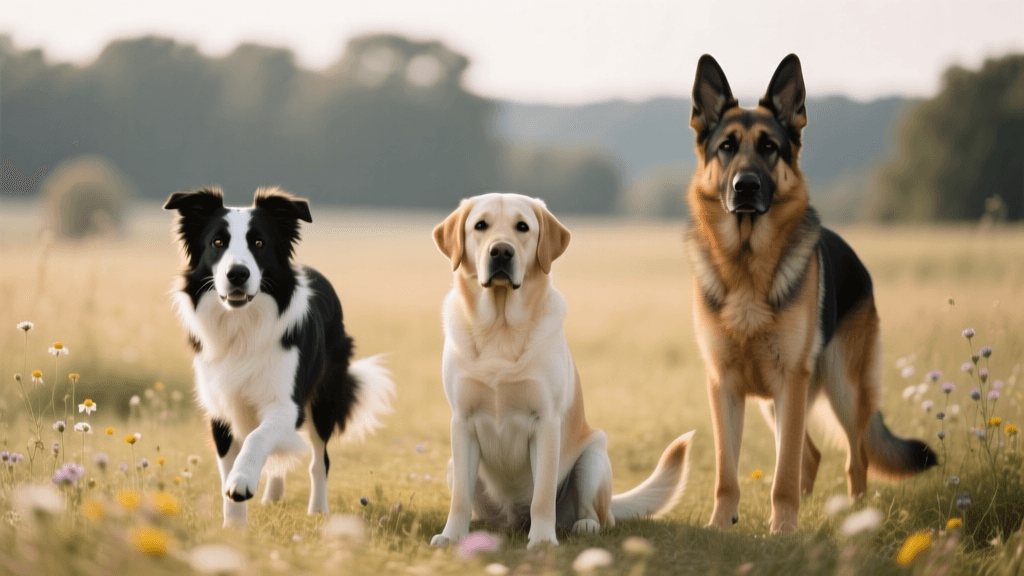
Two of the most popular, yet fundamentally different, categories of working dogs are the Herding Group and the Sporting Group. While both groups are renowned for their high intelligence, biddability, and energy levels, their underlying motivations and instinctual behaviors require vastly different training approaches. A Border Collie and a Labrador Retriever may both be capable of learning complex tricks, but the way they process information, react to environmental stimuli, and respond to rewards differs significantly. This comprehensive guide explores the comparative training needs of herding versus sporting breeds, providing actionable timelines, cost estimates, and gear recommendations to help you achieve optimal obedience.
The Herding Group: Intelligence, Intensity, and Instinct
Herding breeds, such as the Border Collie, Australian Shepherd, Shetland Sheepdog, and Belgian Malinois, were selectively bred for their ability to control the movement of other animals. According to the American Kennel Club, these dogs possess a modified version of the predatory sequence. While a wild predator utilizes the full sequence (eye, stalk, chase, grab-bite, kill-bite, dissect, consume), herding dogs have been bred to amplify the 'eye,' 'stalk,' and 'chase' behaviors while heavily suppressing the 'grab-bite' and 'kill-bite' phases. This results in a dog that is intensely focused on movement and highly reactive to fast-paced environments.
Training Strategies for Herding Breeds
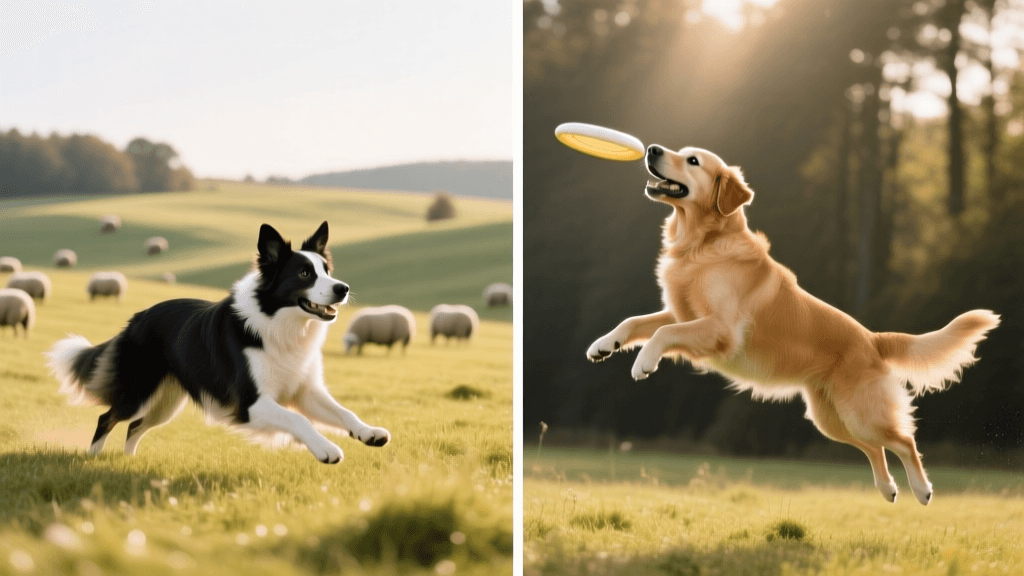
Because herding dogs possess an extraordinary level of intelligence and a relentless work ethic, standard obedience training is rarely enough to fulfill their mental requirements. If a herding breed is not given a 'job' to do, they will invent one, which often manifests as destructive behavior, obsessive-compulsive tendencies (like shadow chasing), or attempting to herd family members, particularly small children. Training must be heavily rooted in impulse control and mental stimulation. Incorporating cognitive games, puzzle toys, and advanced trick training into your daily routine is mandatory. Furthermore, channeling their physical drive into structured dog sports like agility, Treibball (urban herding), or advanced obedience trials provides the necessary outlet for their intense focus.
The Sporting Group: Drive, Retrieval, and Biddability
In contrast, the Sporting Group—encompassing breeds like the Labrador Retriever, Golden Retriever, German Shorthaired Pointer, and English Springer Spaniel—was developed to assist hunters in locating, flushing, and retrieving game. The American Kennel Club notes that these breeds are characterized by their highly developed scenting abilities, soft mouths (the ability to carry game without damaging it), and an innate desire to work in close partnership with their human handlers. Unlike the intense, sometimes independent stare of a herding dog, sporting dogs are generally more environmentally aware, highly motivated by food and toys, and eager to please.
Training Strategies for Sporting Breeds
Sporting breeds thrive on retrieval games, scent work, and swimming. Their training should heavily utilize their natural desire to carry objects and track smells. While herding dogs might excel at precision heelwork and rapid directional changes, sporting breeds excel at sustained endurance, recall over long distances, and targeting specific scents. Training sessions should be kept highly active and rewarding, utilizing dummy retrieves and scent-tracking exercises to burn off energy. Because they are easily distracted by wildlife and environmental odors, establishing a rock-solid recall and teaching the 'leave it' command are the absolute highest priorities in their foundational obedience curriculum.
Comparative Data: Herding vs. Sporting Breeds
To help visualize the distinct differences in how these two groups process training and interact with their environment, review the comparison chart below:
| Trait / Characteristic | Herding Group | Sporting Group |
|---|---|---|
| Primary Motivation | Movement control, mental challenges, handler focus | Retrieving, scent tracking, environmental exploration |
| Energy Expression | Bursts of intense speed, agility, and rapid turns | Sustained endurance, swimming, long-distance running |
| Common Behavioral Issues | Nipping at heels, barking at movement, shadow chasing | Pulling on leash, chasing wildlife, jumping, mouthing |
| Best Suited Dog Sports | Agility, Treibball, Obedience, Flyball, Disc Dog | Field Trials, Dock Diving, Scent Work, Hunt Tests |
| Handler Interaction Style | Intense eye contact, waiting for precise physical cues | Checking in frequently, working collaboratively at a distance |
Actionable Training Timelines and Financial Investments
Understanding the financial and temporal commitments required for proper socialization and obedience is crucial for new owners. While basic manners can be taught at home, professional guidance is often necessary to manage breed-specific drives safely.
Recommended Training Timelines
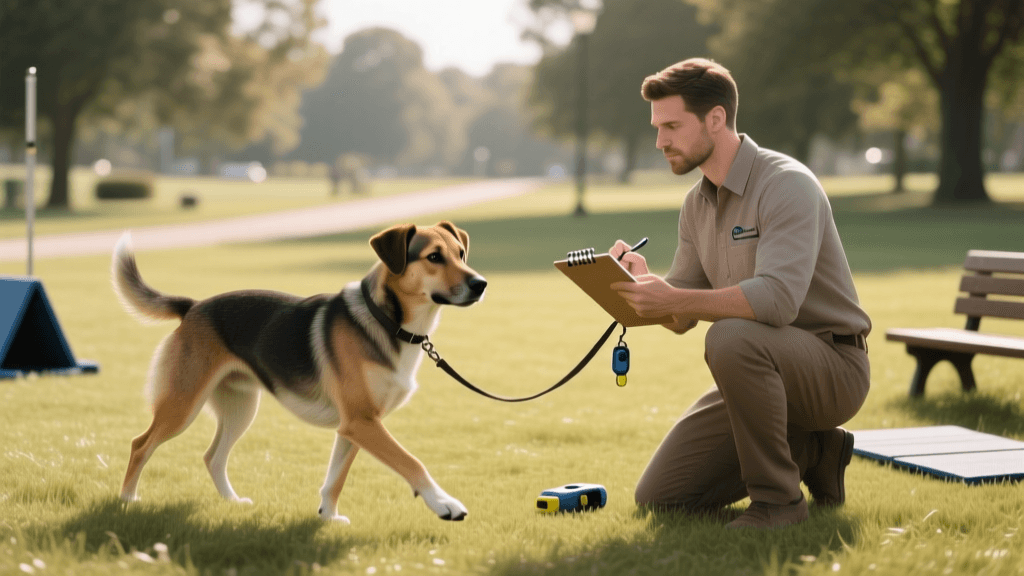
- 8 to 16 Weeks (Socialization & Foundation): Focus on environmental exposure, bite inhibition, and basic marker training (clicker/marker word). Herding pups need exposure to varied surfaces and moving objects to prevent fear-based reactivity; sporting pups need exposure to loud noises (like gunshots or thunder) and water.
- 4 to 9 Months (Basic Obedience & Impulse Control): Leash walking, recall, 'leave it,' and 'place' commands. This is the critical window where herding breeds may start nipping, and sporting breeds may start ignoring recall for scents.
- 1 to 2 Years (Advanced Conditioning & Sports): Introduction to structured sports, off-leash reliability, and specialized tasks.
Estimated Costs for Professional Training
- Puppy Socialization Classes: $150 - $250 for a 6-week group course.
- Basic Obedience Group Classes: $200 - $350 for a 6-to-8-week course.
- Specialized Sport/Scent Classes: $30 - $60 per weekly session (highly recommended for sporting breeds).
- Private Behavioral Consultations: $150 - $300 per hour (often necessary for herding breeds exhibiting severe reactivity or nipping behaviors).
Essential Gear for Breed-Specific Success
Equipping yourself with the right tools can drastically reduce training friction. The gear you select should cater directly to your dog's genetic predispositions.
Must-Have Gear for Herding Breeds
- Flirt Poles ($30 - $50): An essential tool for safely satisfying a herding dog's predatory chase drive without encouraging nipping at human skin. Brands like Squishy Face Studio offer excellent, durable options.
- Cognitive Puzzle Toys ($15 - $30): The Kong Wobbler or Nina Ottosson puzzle toys force the dog to use their brain to extract food, tiring them out mentally much faster than a simple walk around the block.
- Front-Clip Harnesses ($25 - $40): Herding dogs can be reactive on leash. A front-clip harness like the Ruffwear Front Range provides better steering control without causing tracheal damage.
Must-Have Gear for Sporting Breeds
- Retrieving Dummies ($20 - $40): The Dokken Deadfowl Trainer or canvas scent-infused dummies are perfect for teaching a soft mouth and reinforcing the 'fetch' and 'drop' commands in a controlled manner.
- Long Lines ($20 - $35): A 30-foot biothane long line from Mendota or High Tail Tails is non-negotiable for proofing recall commands in open fields before your sporting dog is ready for off-leash privileges.
- High-Value Treat Pouches ($15 - $25): Sporting dogs are highly food-motivated. A rapid-access treat pouch like the Starmark Treat Tote ensures you can reward them the exact second they break away from a distracting scent.
Overcoming Common Behavioral Hurdles
Even with the best preparation, owners will face breed-specific hurdles. The Humane Society of the United States emphasizes that positive reinforcement and redirection are the most effective ways to modify unwanted instinctual behaviors without damaging the human-animal bond.
Managing the Herding Instinct
The most common complaint from herding breed owners is nipping at the heels of running children or bicycles. This is not aggression; it is a hardwired instinct to control movement. To manage this, you must teach an incompatible behavior. When a child starts running, command the dog to 'go to your mat' or 'fetch a toy.' By redirecting their need to control movement onto an inanimate object or a stationary task, you satisfy the instinct safely. Never punish the dog for the instinct; instead, manage the environment and reward calm observation of movement.
Managing the Sporting Prey Drive
Sporting breeds often struggle with recall when a compelling scent or wildlife (like a squirrel or deer) is present. Their nose essentially turns off their ears. To combat this, practice the 'emergency recall' using an extraordinarily high-value reward (like real chicken or freeze-dried liver) that is only ever given for this specific command. Start in a low-distraction environment and gradually increase the difficulty. If you plan to hike off-leash in areas with heavy wildlife, consulting a professional to introduce e-collar conditioning ethically and safely may be a necessary investment for the dog's physical safety.
Conclusion: Matching Your Lifestyle to Your Dog's Genetics
Ultimately, successful training is not about forcing a dog to suppress its nature, but rather about providing appropriate, structured outlets for its innate drives. Herding breeds will reward you with unparalleled precision and teamwork if you are willing to invest the time into mental stimulation and impulse control. Sporting breeds will offer you a joyful, adventurous companion with incredible endurance, provided you respect their need to sniff, swim, and retrieve. By understanding the comparative differences outlined in this guide, investing in the proper gear, and committing to a structured timeline, you can transform your dog's genetic instincts from a household nuisance into a source of mutual joy and athletic achievement.
beth-carrasco
All our authors care for dogs every day — read more of their work on the authors page.