Top No-Pull Dog Harnesses for New Rescues in 2026: Fitting Guide
Bringing home a new dog in 2026? Learn how to select, fit, and use a front-clip no-pull harness to stop leash pulling safely from day one.
Welcome Home: The First-Day Leash Challenge
Bringing a new dog home is one of life’s most rewarding milestones, but the transition period can be fraught with behavioral hurdles. According to the widely accepted 3-3-3 rule of dog adoption, your new rescue will spend the first three days decompressing, three weeks learning your routine, and three months truly settling in. During that initial decompression phase, outdoor potty breaks and neighborhood walks can quickly turn into a tug-of-war if your new companion is a heavy leash puller. In 2026, veterinary behaviorists and certified professional dog trainers universally recommend ditching standard neck collars for walking, especially for dogs with unknown histories or high prey drives. Using a flat collar on a strong puller places dangerous pressure on the trachea, thyroid gland, and cervical spine. Instead, a well-fitted front-clip no-pull dog harness is the ultimate first-day essential for safe, stress-free outings.
The Biomechanics of a Front-Clip No-Pull Harness
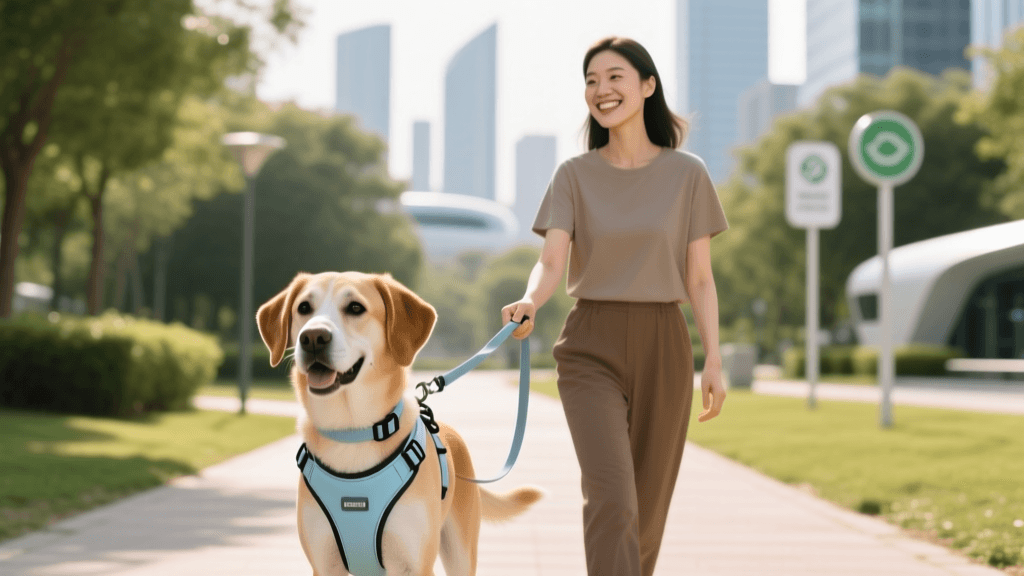
To understand why a no-pull harness is a must-have for your new dog's starter kit, you need to understand canine biomechanics. A dog’s center of gravity is located in their chest, right behind their front shoulders. When you attach a leash to a standard back-clip harness or a neck collar, the dog can lean into their full body weight, essentially turning themselves into a sled dog. This triggers the opposition reflex—a natural instinct where a dog pulls harder against pressure. A front-clip harness features a D-ring located on the chest strap. When the dog pulls forward, the leash tension gently redirects their center of gravity back toward you, turning their shoulders and naturally discouraging the pulling motion without causing pain or choking. As highlighted in the ASPCA's official dog walking guidelines, utilizing humane, force-free equipment is critical for building trust with a newly adopted dog while preventing physical injury.
Top 3 Front-Clip No-Pull Harnesses for 2026
With the pet gear market expanding rapidly, selecting the right harness can feel overwhelming. Based on 2026 durability tests, veterinary recommendations, and escape-resistance metrics, here are the top three front-clip no-pull harnesses for new dog owners.
| Harness Model | Best For | 2026 Average Price | Key Feature |
|---|---|---|---|
| PetSafe Easy Walk | Beginners & Budget | $28.95 | Color-coded straps for easy fitting |
| Kurgo Tru-Fit Smart | Escape Artists & Car Travel | $49.99 | Crash-tested steel nest & padded chest |
| Rabbitgoo No-Pull | Heavy Pullers & Night Walks | $27.99 | Dual-clip design & reflective stitching |
1. PetSafe Easy Walk Dog Harness
The PetSafe Easy Walk remains a staple in the rescue community in 2026. Its standout feature is the color-coded straps (usually brown for the back and black for the belly), which eliminates the guesswork of figuring out which strap goes over the shoulders and which goes under the belly. The martingale-style front loop tightens slightly to prevent the dog from slipping out, making it an excellent choice for nervous rescues who might try to back out of their gear on the first day.
2. Kurgo Tru-Fit Smart Harness
If your new dog is an escape artist or will be riding in the car with you, the Kurgo Tru-Fit is the premium choice. It features a broad, padded chest plate that disperses pressure evenly. More importantly, it includes a 10-inch seat belt tether loop and has been crash-tested for dogs up to 75 pounds using Federal Motor Vehicle Safety Standard protocols. The dual-clip system allows you to switch between front-clip training and back-clip casual walking once your dog has mastered loose-leash manners.
3. Rabbitgoo No-Pull Dog Harness
For those adopting high-energy breeds like Huskies, German Shepherds, or Pit Bull mixes, the Rabbitgoo harness offers heavy-duty Oxford fabric and four points of adjustment. The wide reflective strips are a massive safety upgrade for early morning or late-night potty breaks in low-light conditions. The sturdy top handle is also incredibly useful for quickly gaining control of a large, reactive dog in a stimulating environment.
Step-by-Step Fitting Guide for Your New Rescue
Even the most expensive, highly-rated no-pull harness will fail if it is not fitted correctly. A poorly fitted harness can cause severe chafing in the armpits, restrict shoulder extension, or allow the dog to slip a leg out and bolt into traffic. Follow these precise steps on your dog's first day home:
- Step 1: Measure the Girth. Using a soft tailor's measuring tape, measure the widest part of your dog's ribcage. This is usually located right behind the front elbows. If you do not have a soft tape, use a piece of string and measure it against a ruler.
- Step 2: Measure the Neck. Measure the base of the neck where a collar would naturally sit. Ensure the tape is snug but not tight.
- Step 3: Consult the Sizing Chart. Never guess your dog's size based on weight alone. A 40-pound Bulldog has a vastly different chest-to-neck ratio than a 40-pound Greyhound. Always defer to the manufacturer's specific girth measurements.
- Step 4: The Two-Finger Rule. Once the harness is on, you should be able to slide exactly two fingers flat between the straps and your dog's skin at all adjustment points (neck, chest, and girth). If you can fit your whole hand, it is too loose and poses an escape risk. If you cannot fit two fingers, it is too tight and will cause chafing.
- Step 5: Check Shoulder Mobility. Observe your dog's gait. The chest plate should not press against the dog's front shoulders or restrict their natural stride. If the harness rubs the armpits, loosen the chest strap and tighten the girth strap slightly.
First-Week Leash Training Protocol
A no-pull harness is a management tool, not a magic cure. It prevents the dog from getting the reward of moving forward while pulling, but you must actively train the desired behavior. The American Kennel Club's expert training advice on leash pulling emphasizes that consistency and positive reinforcement are the keys to long-term success. During your dog's first week, implement the following protocol:
The 'Be a Tree' Method
Whenever the leash goes taut, stop walking immediately. Stand completely still like a tree. Do not yank the leash, do not scold the dog, and do not reel them in. Simply wait. The moment the dog turns their head back toward you or takes a single step backward to create slack in the leash, mark the behavior with a cheerful 'Yes!' and reward them with a high-value treat (such as boiled chicken or freeze-dried liver) right next to your leg. This teaches the dog that a loose leash is the only way to move forward and access rewards.
The U-Turn Game
If your new dog is highly distracted by the environment and constantly pulling toward a specific trigger (like a squirrel or another dog), abruptly turn 180 degrees and walk the other way. When the dog catches up to you and is walking by your side, reward them heavily. This builds engagement and teaches the dog to pay attention to your body language rather than forging ahead blindly.
Common Fitting and Safety Mistakes to Avoid
As you navigate the first few months of dog ownership in 2026, keep an eye out for these common harness-related pitfalls:
- Leaving the Harness On 24/7: Harnesses are for walks and training only. Leaving a harness on an unsupervised dog, especially a chewer, can result in the dog getting their jaw caught in the straps or destroying the gear. It can also cause matting in long-haired breeds and bacterial skin infections.
- Ignoring Chafing Signs: After every walk during the first two weeks, run your hands over your dog's armpits and chest. If you notice redness, hair loss, or hot spots, adjust the straps immediately or apply a pet-safe anti-chafe balm.
- Using Retractable Leashes: A front-clip no-pull harness is completely incompatible with a retractable leash. Retractable leashes maintain constant, light tension on the harness, which teaches the dog that pulling is necessary to get more line. Furthermore, the sudden jerk of a retractable leash locking can damage the front D-ring or injure the dog's sternum. Always use a standard 4-to-6-foot biothane or nylon leash for training.
Final Thoughts on Your Dog's First Gear
Investing in a high-quality, properly fitted front-clip no-pull harness is one of the best decisions you can make when preparing your home for a new dog. It prioritizes your dog's physical health, reduces your own physical strain, and sets a foundation of trust and communication. By combining the right 2026 gear with force-free, reward-based training methods, you and your new rescue will be walking in perfect harmony in no time. For more comprehensive resources on safely navigating the outdoors with your new companion, always refer to the Humane Society of the United States and consult with a certified professional dog trainer if your new dog exhibits severe leash reactivity.
marcus-aldridge
All our authors care for dogs every day — read more of their work on the authors page.