The True First-Year Cost of Dog Ownership: A Budget Guide
Discover the true first-year cost of dog ownership. We break down initial, recurring, and hidden expenses to help you plan a realistic pet budget.

Introduction: Beyond the Puppy Price Tag
Bringing a new dog into your home is one of life's most rewarding experiences, but it is also a significant financial undertaking. Many new pet parents focus solely on the adoption fee or the breeder's purchase price, only to be caught off guard by the ongoing expenses required to keep their new companion healthy and happy. According to the American Veterinary Medical Association (AVMA), responsible pet ownership requires a comprehensive understanding of both the expected and unexpected costs associated with animal care.
Whether you are adopting a senior mixed-breed from a local shelter or purchasing a purebred puppy from a reputable breeder, the first year of dog ownership is invariably the most expensive. This comprehensive cost breakdown will help you plan a realistic budget, ensuring you are fully prepared for the financial reality of dog ownership.
A dog is a ten to fifteen-year financial commitment, not just a one-time purchase. Planning your budget before you fall in love with a specific breed is the hallmark of a responsible and prepared owner.
Initial Acquisition and Setup Costs
Adoption vs. Purchasing from a Breeder
The initial cost of acquiring your dog varies wildly based on your source. Adopting from a shelter or rescue organization typically ranges from $50 to $500. This fee often includes initial veterinary care such as spaying/neutering, microchipping, and the first round of core vaccinations. Conversely, purchasing a purebred puppy from a reputable, health-testing breeder can cost anywhere from $1,500 to $3,500 or more, depending on the breed's popularity and lineage.
Essential Gear and Supplies
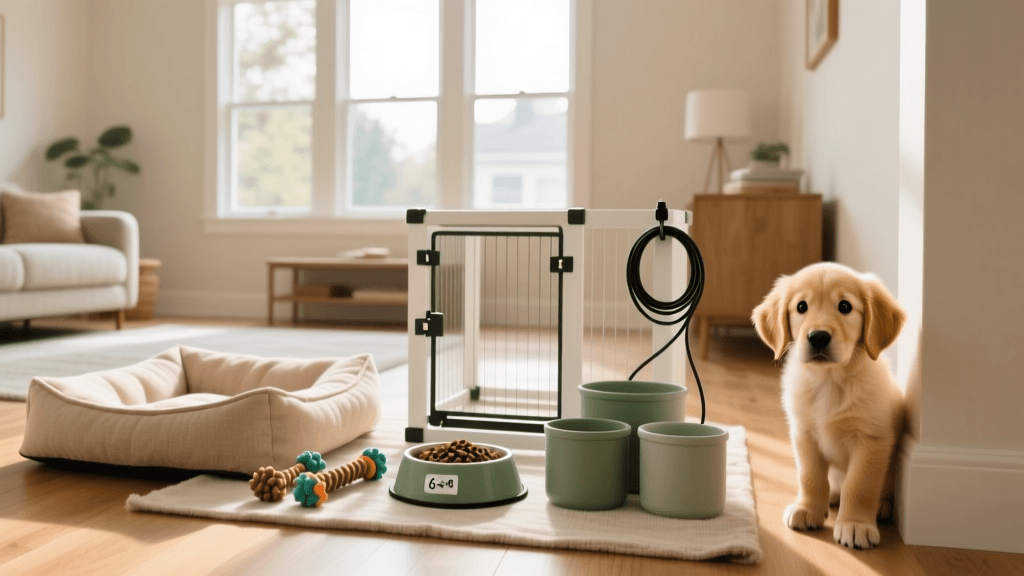
Before your dog's paws touch your floor, you need to equip your home. Skimping on gear can lead to destroyed furniture or safety hazards. Here is a breakdown of essential first-day supplies:
- Crate: A wire crate like the Midwest Homes for Pets iCrate (42x28x30 inches for large breeds) costs around $75. It is essential for house training and providing a safe den.
- Bedding: For teething puppies or aggressive chewers, a chew-proof elevated bed like the Kuranda PVC frame bed ($130) will outlast traditional plush beds.
- Collar, Harness, and Leash: A no-pull harness like the Ruffwear Front Range ($40) paired with a sturdy 6-foot nylon leash ($20) provides safe walking control.
- Food and Water Bowls: Stainless steel or heavy ceramic bowls ($25 for a set) are hygienic and difficult to tip over.
- Enzymatic Cleaner: Nature's Miracle Advanced Stain and Odor Eliminator ($15) is non-negotiable for house-training accidents.
Estimated Setup Cost: $250 - $450
First-Year Veterinary and Health Expenses
The first year of a dog's life requires a rigorous veterinary schedule, especially for puppies. Preventative care is critical to avoid devastating and expensive illnesses later in life.
The Puppy Vaccine Timeline
Puppies require a series of core vaccines to build immunity. Expect to visit the vet every three to four weeks until the puppy is 16 weeks old.
- 6-8 Weeks: First DHPP (Distemper, Hepatitis, Parainfluenza, Parvovirus) vaccine.
- 10-12 Weeks: Second DHPP booster, plus optional Bordetella (kennel cough) and Leptospirosis vaccines.
- 14-16 Weeks: Final DHPP booster and the mandatory Rabies vaccine.
Spay/Neuter and Microchipping
If your adoption fee did not cover spaying or neutering, this surgery typically costs between $200 and $600, depending on the dog's size, age, and your geographic location. Microchipping, a vital safety measure that permanently identifies your pet, usually costs around $50 if done at the vet's office.
Estimated First-Year Vet Cost: $400 - $1,200
Recurring Monthly and Annual Costs
Once the initial setup and puppy vaccines are out of the way, you will settle into a rhythm of recurring expenses. These are the costs that will impact your monthly household budget.
Premium Nutrition
Feeding a high-quality, AAFCO-approved diet is foundational to your dog's long-term health. A 30-pound bag of premium dry food, such as Purina Pro Plan Large Breed Puppy or Royal Canin, costs between $65 and $90. Depending on your dog's adult weight, expect to spend $50 to $90 per month on food alone.
Flea, Tick, and Heartworm Preventatives
Year-round parasite prevention is mandatory in most climates. Oral preventatives like NexGard (for fleas and ticks) and Heartgard Plus (for heartworms) will cost approximately $25 to $40 per month. Skipping these can result in a heartworm treatment bill exceeding $1,000.
Pet Insurance
The American Kennel Club (AKC) highly recommends pet insurance to protect against catastrophic veterinary bills. Comprehensive accident and illness policies from providers like Healthy Paws or Trupanion typically range from $40 to $80 per month, depending on your deductible, reimbursement level, and the dog's breed.
Estimated Monthly Recurring Cost: $115 - $210 (Annualized: $1,380 - $2,520)
The Hidden Costs of Dog Ownership
Budgeting for food and vet bills is straightforward, but new owners often overlook the lifestyle and maintenance costs associated with dog ownership.
- Grooming: If you adopt a Poodle, Doodle mix, or Shih Tzu, professional grooming is not optional; it is a health necessity to prevent painful matting. Expect to pay $75 to $120 every 6 to 8 weeks ($600 - $1,000 annually).
- Obedience Training: A 6-week group puppy kindergarten class costs around $150 to $250. Private behavioral consultations for reactivity or aggression can cost $150 per hour.
- Pet Sitting and Boarding: When you travel, kennel boarding averages $40 to $60 per night, while in-home pet sitters may charge $25 to $50 per drop-in visit.
- Toys and Treats: Aggressive chewers will destroy toys rapidly. Budgeting $20 a month for durable chew toys (like West Paw Zogoflex or KONG Extreme) and high-value training treats is a safe estimate.
First-Year Dog Cost Breakdown Table
The following table provides a realistic summary of what you can expect to spend during the first 12 months of dog ownership, categorized by budget level.
| Expense Category | Low Estimate (Small Dog / Adopted) | Medium Estimate (Medium Dog / Mixed) | High Estimate (Large Dog / Purebred) |
|---|---|---|---|
| Acquisition Fee | $100 | $500 | $3,000 |
| Initial Gear & Supplies | $200 | $350 | $500 |
| Veterinary Care (Year 1) | $400 | $700 | $1,200 |
| Food & Treats | $480 | $720 | $1,080 |
| Preventatives (Flea/Tick/HW) | $240 | $360 | $480 |
| Pet Insurance | $480 | $600 | $960 |
| Grooming & Training | $150 | $400 | $1,200 |
| Boarding / Pet Sitting | $200 | $400 | $600 |
| Total First-Year Cost | $2,250 | $4,030 | $9,020 |
Smart Budgeting Strategies for New Owners
Looking at a potential $4,000 to $9,000 first-year bill can be daunting, but strategic planning can ease the burden.
1. Establish a Pet Emergency Fund
Before bringing your dog home, open a dedicated high-yield savings account and seed it with at least $1,000. This fund is strictly for emergency veterinary care, such as an intestinal blockage surgery or a torn cruciate ligament, ensuring you never have to make medical decisions based solely on your bank account balance.
2. Buy in Bulk and Subscribe
Utilize subscription services like Chewy's Autoship or Amazon Subscribe & Save to get 5% to 10% off recurring orders for food, heartworm medication, and waste bags. Buying 30-pound bags of food rather than 5-pound bags drastically reduces the cost per pound.
3. Leverage Low-Cost Clinics
For routine vaccinations and microchipping, look for local low-cost vaccine clinics or mobile veterinary services. These organizations often provide core preventative care at a fraction of the cost of a traditional brick-and-mortar veterinary hospital, freeing up your budget for premium food or pet insurance.
Conclusion
Understanding the true cost of dog ownership is the first step toward a harmonious life with your new pet. By anticipating initial setup costs, preparing for rigorous first-year veterinary care, and budgeting for hidden lifestyle expenses, you can ensure that your dog receives the premium care they deserve without causing financial strain on your household. Plan carefully, budget realistically, and enjoy the unparalleled companionship that only a dog can provide.
beth-carrasco
All our authors care for dogs every day — read more of their work on the authors page.