Choosing Right Dog Breed For Your Lifestyle And Home
Learn about choosing right dog breed for your lifestyle and home with expert tips and data-backed advice.
Matching Temperament to Daily Routines
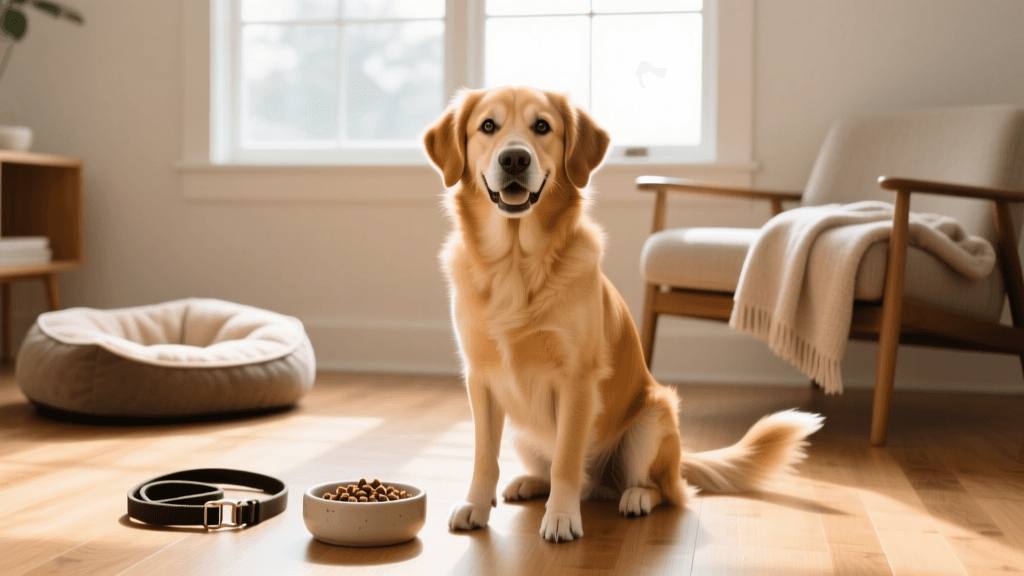
Selecting a dog breed isn’t about choosing the “cutest” or most Instagram-famous — it’s about aligning canine temperament with your actual daily rhythm. A high-energy Border Collie may thrive in a household where someone jogs five miles daily and works remotely from a rural property, but could develop destructive behaviours in a small London flat with only 20 minutes of leash walking per day. According to the American Kennel Club (AKC) 2023 Canine Behavior Survey, 68% of dogs surrendered to shelters exhibited behavioural issues directly linked to mismatched activity expectations (AKC, 2023). The UK’s Dogs Trust reports similar findings: over half of rehomed dogs between 2021–2023 were relinquished due to insufficient exercise or mental stimulation (Dogs Trust, 2023).
Space Requirements and Housing Constraints
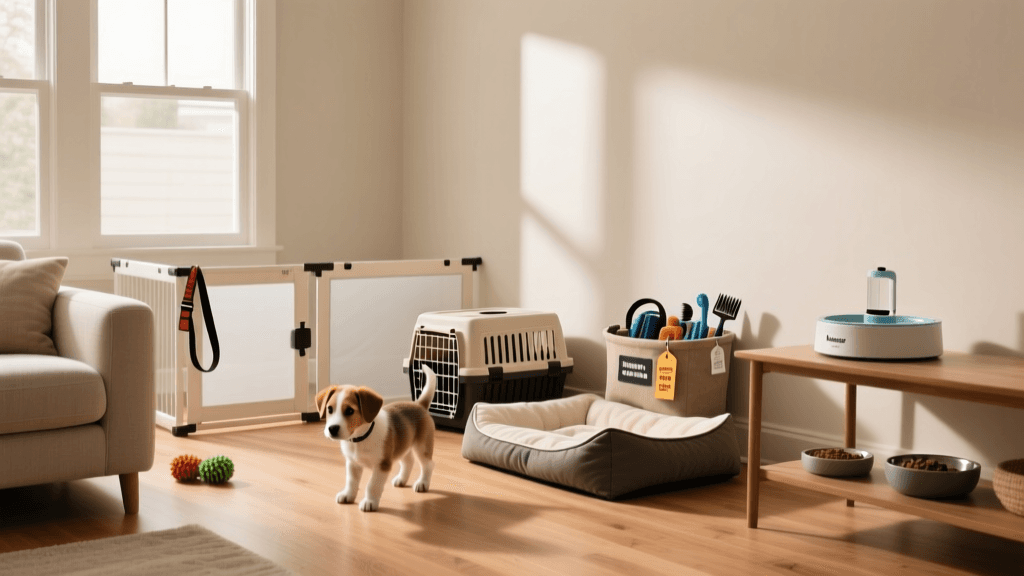
Urban dwellers must carefully assess square footage, access to green space, and building policies before committing. For example, a Great Dane stands 28–34 inches at the shoulder and requires minimum indoor floor space of 45 square feet for comfortable movement — yet many London studio apartments average just 320 square feet total. Conversely, smaller breeds like the Cavalier King Charles Spaniel (average weight: 5–8 kg) adapt well to compact living when provided with regular outdoor enrichment. In New York City, the Department of Health mandates that landlords cannot ban service animals, but may restrict certain breeds under local insurance policies — a nuance often overlooked during apartment hunting.
Apartment-Friendly Breeds by Size and Energy Profile
- Cavalier King Charles Spaniel (height: 12–13 inches; lifespan: 9–14 years)
- French Bulldog (weight: 8–14 kg; average daily walk: 20–30 minutes)
- Papillon (height: 8–11 inches; known for low barking frequency in urban settings)
- Basenji (notable for minimal shedding and quiet nature — barkless but vocalises with yodels)
- Shih Tzu (average adult weight: 4.5–7.3 kg; tolerates crate time up to 4 hours)
Budget Realities Beyond the Adoption Fee
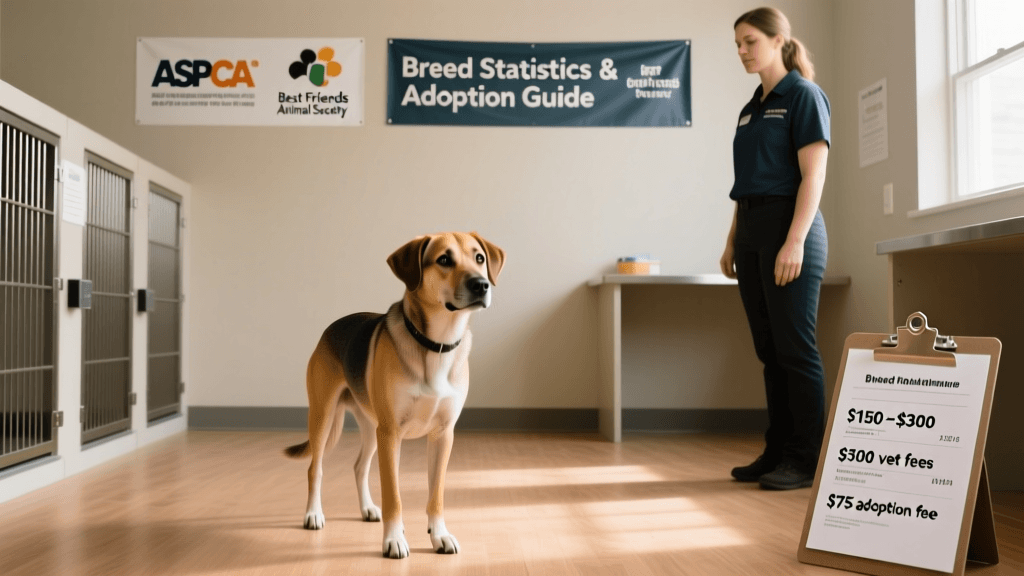
Initial acquisition costs vary widely — shelter adoption fees in California range from $50 to $350, while AKC-registered purebred puppies from reputable breeders often cost $1,200–$3,800. But the first-year expenses are where many underestimate commitment. A 2022 ASPCA study calculated median first-year costs at $2,745 for medium-sized dogs, including vaccinations ($220), spaying/neutering ($320), microchipping ($45), preventative parasite control ($280), and basic training ($150–$400). Ongoing annual costs average $1,500–$2,200 depending on region and healthcare needs.
Hidden Costs That Add Up
- Professional grooming every 6–8 weeks: $65–$120/session (e.g., Poodle or Shih Tzu)
- Boarding or pet-sitting during travel: £25–£45/day in Manchester, $40–$75/day in Seattle
- Dental cleaning under anaesthesia: $350–$900 (recommended annually after age 3)
- Emergency vet visit (e.g., GDV treatment): £1,200–£2,800 in UK clinics; $2,500–$7,000 at VCA hospitals in Chicago
- Specialised diet for allergy management: £45–£85/month for hydrolysed protein kibble
Rescue vs. Breeder: Ethical Sourcing Pathways
Adopting from a rescue organisation offers immediate impact and often includes pre-vaccination, microchipping, and behaviour assessments. Organisations like Battersea Dogs & Cats Home in London placed 4,127 dogs in 2023, with 78% undergoing temperament evaluations prior to matching. Similarly, Austin Animal Services in Texas reported a 92% live release rate in FY2023, supported by partnerships with certified trainers for post-adoption support. Reputable breeders affiliated with the AKC or The Kennel Club (UK) must adhere to strict health testing protocols — for instance, all Labrador Retrievers should undergo OFA-certified hip scoring (minimum score: 18/108) and DNA testing for prcd-PRA and EIC.
Health and Longevity Benchmarks Across Common Breeds
Lifespan and inherited conditions differ significantly by lineage. Smaller breeds typically outlive larger ones: Chihuahuas average 14–16 years, while Mastiffs rarely exceed 7–10 years. A landmark 2021 study published in *Veterinary Journal* tracked 22,000 dogs across 12 countries and found that mixed-breed dogs lived on average 1.2 years longer than purebreds with comparable size and care (O’Neill et al., 2021). This data reinforces why health screening transparency matters — especially for breeds prone to specific issues:
“Breed-specific health risks aren’t inevitable — they’re modifiable through informed selection, responsible breeding, and proactive veterinary partnership.” — Dr. Sarah Thompson, Senior Veterinarian, Royal Veterinary College, London
| Breed | Average Lifespan | Common Hereditary Condition | Recommended Screening Age | Test Cost Range (USD) |
|---|---|---|---|---|
| German Shepherd | 9–13 years | Canine Hip Dysplasia | 2 years | $180–$320 (radiograph + OFA submission) |
| Boxer | 10–12 years | Arrhythmogenic Right Ventricular Cardiomyopathy (ARVC) | 2–4 years | $450–$680 (ECG + Holter + genetic test) |
| Golden Retriever | 10–12 years | Subvalvular Aortic Stenosis (SAS) | 12–16 weeks | $220–$390 (echocardiogram) |
Family Dynamics and Child Compatibility
Not all gentle-looking breeds tolerate unpredictable child behaviour. Golden Retrievers consistently rank highest in temperament tests conducted by the AKC’s Canine Good Citizen programme — 94% passed Level 1 testing at 6 months old in 2022 trials. In contrast, terrier-type breeds such as Jack Russell Terriers scored lowest in tolerance to sudden noise and physical handling, with only 61% passing the same assessment. Families in Toronto using Humane Society of Canada’s “Puppy Playdate” programme report 37% higher long-term retention rates when children aged 5–12 participated in supervised meet-and-greets prior to adoption.
Time commitment extends beyond walks. A working-line Australian Shepherd requires 90+ minutes of daily mental engagement — not just physical exertion — to prevent anxiety-related chewing or barking. Meanwhile, a senior-friendly breed like the Bichon Frise thrives with structured 30-minute sessions combining obedience cues, scent games, and socialisation — ideal for retirees in retirement communities near Asheville, North Carolina.
Climate also influences suitability. Siberian Huskies shed heavily twice yearly and struggle above 22°C — making them poor fits for Phoenix summers without air-conditioned environments. Conversely, Greyhounds, despite their speed, have minimal body fat and thin coats, requiring winter coats below 7°C in Glasgow winters.
Behavioural readiness is measurable. The ASPCA recommends observing at least three separate interactions with a potential dog — indoors, outdoors, and during mealtime — to gauge consistency in response to novelty, restraint, and distraction. This practice reduced post-adoption returns by 29% among adopters who completed full observation protocols at Best Friends Animal Society’s Kanab, Utah campus in 2023.
Training investment pays dividends early: dogs enrolled in group puppy classes before 16 weeks show 44% lower incidence of aggression toward strangers, per longitudinal data from the University of Pennsylvania School of Veterinary Medicine (2022).
Local ordinances matter too. In Miami-Dade County, Florida, ownership of American Pit Bull Terriers remains restricted regardless of individual temperament — a legal reality prospective owners must verify before application.
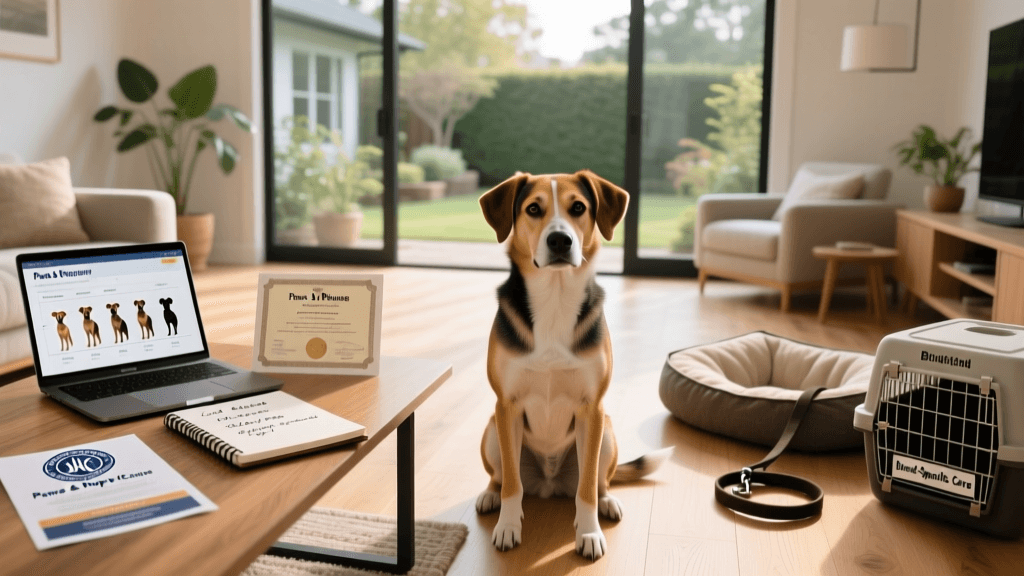
Ultimately, breed choice reflects sustained responsibility — not momentary preference. It demands honest self-audit: How many hours per week can you truly dedicate? What’s your realistic budget across 10–15 years? Do your home, schedule, and community support this life-long commitment?
Reputable resources include The Kennel Club’s Breed Information Centre (UK), AKC’s Breed Selection Tool (USA), and the International Partnership for Dogs’ health database — all freely accessible online and updated quarterly with peer-reviewed epidemiological data.
When visiting shelters, ask staff for documented history: vaccination dates, parasite treatments administered, and any known triggers observed during intake. At breed-specific rescues like Labrador Rescue of Northern California, 92% of dogs arrive with full medical records and foster-reported behavioural notes — enabling precise matching.
Remember: no breed is universally “good” or “bad.” Suitability emerges from alignment — between environment, energy, expertise, and empathy.
aaron-whyte
All our authors care for dogs every day — read more of their work on the authors page.