Integrating Fresh Whole Foods Into Your Dog's Daily Kibble Diet
Learn how to safely integrate fresh whole foods into your dog's daily kibble routine. Discover portion sizes, safe ingredients, and prep tips.
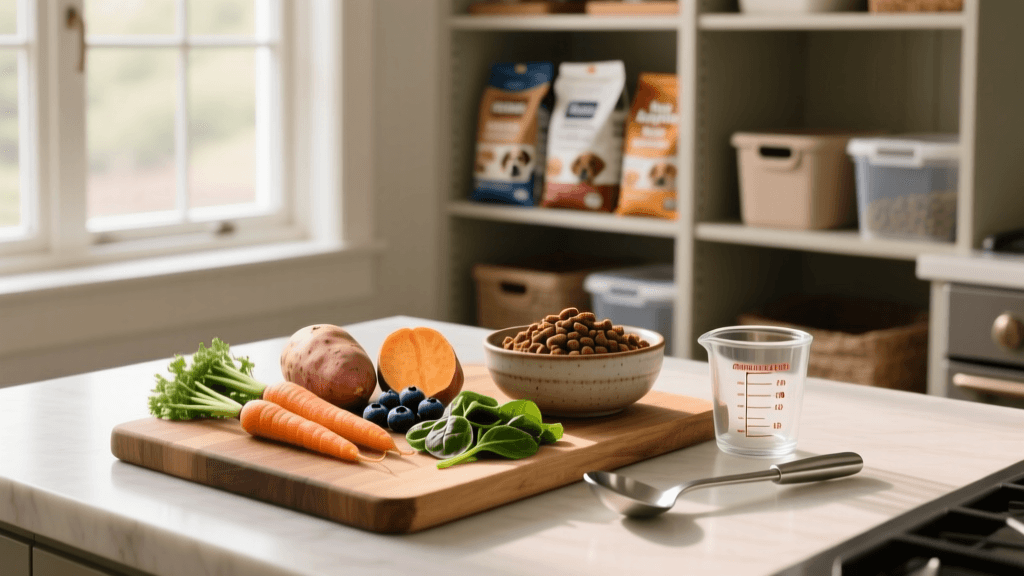
The Appeal of Fresh Foods in a Kibble-Based Diet
Sharing your life with a dog involves managing a myriad of daily routines, from morning walks to evening grooming. For the majority of dog owners, high-quality commercial kibble forms the foundation of their pet's diet due to its convenience, long shelf life, and complete nutritional profile. However, kibble is inherently highly processed and lacks the natural moisture, active enzymes, and diverse phytonutrients found in fresh, whole foods. Integrating fresh ingredients into your dog's daily kibble routine is a practical, cost-effective way to bridge the gap between convenience and optimal canine nutrition. By treating fresh foods as 'toppers' rather than complete meal replacements, you can enhance your dog's gut health, boost their immune system, and add exciting variety to their daily bowl without the stress or expense of formulating a fully balanced raw or home-cooked diet from scratch.
The 10% Rule: Balancing Nutrition Without Upsetting the Diet
The most critical concept when adding fresh foods to a complete and balanced kibble diet is the 10% Rule. According to the World Small Animal Veterinary Association (WSAVA) Global Nutrition Guidelines, treats, table scraps, and supplemental foods should not exceed 10% of your dog's total daily caloric intake. Exceeding this threshold risks diluting the carefully balanced vitamins and minerals present in the kibble, potentially leading to long-term nutritional deficiencies or excesses.
Calculating the 10% Caloric Threshold
To apply this rule practically, you must first determine your dog's daily caloric requirement. A moderately active 50-pound adult dog typically requires about 1,000 calories per day. Therefore, no more than 100 calories should come from fresh food toppers or treats. The remaining 900 calories must come from their primary kibble. This means you will slightly reduce the volume of kibble in the bowl to make room for the fresh additions. For example, if a cup of your chosen kibble contains 400 calories, you would feed slightly less than two and a quarter cups of kibble, reserving that 100-calorie space for fresh, nutrient-dense whole foods.
Top Fresh Food Additions and Their Health Benefits
Not all human foods are created equal when it comes to canine nutrition. The goal is to select ingredients that offer high nutritional value with relatively low caloric density. Below is a practical comparison chart of excellent fresh toppers, complete with serving sizes, estimated costs, and primary health benefits.
| Ingredient | Serving Size (per 25 lbs body weight) | Monthly Cost Estimate | Primary Health Benefit |
|---|---|---|---|
| Fresh Blueberries | 1 tablespoon, mashed | $4.00 - $6.00 | Rich in antioxidants; supports cognitive aging |
| Canned Sardines (in water) | 1/2 small sardine | $8.00 - $12.00 | High in Omega-3 fatty acids; reduces joint inflammation |
| Plain Organic Kefir | 1 tablespoon | $5.00 - $7.00 | Probiotics; supports gut microbiome and digestion |
| Steamed Carrots | 2 baby carrots, chopped | $2.00 - $3.00 | Beta-carotene and fiber; promotes dental and eye health |
| Plain Canned Pumpkin | 1 teaspoon | $3.00 - $5.00 | Soluble fiber; regulates bowel movements |
Safe Fruits, Vegetables, and Fermented Foods
When selecting plant-based toppers, focus on deeply colored vegetables and berries. Blueberries and blackberries are exceptional sources of polyphenols, which help combat oxidative stress in aging dogs. Fermented foods like plain, unsweetened kefir (such as Stonyfield Organic Plain Kefir) introduce beneficial bacteria directly to the gastrointestinal tract. Just one tablespoon of kefir added to the evening meal can significantly improve stool quality and nutrient absorption. Always ensure that any vegetable, such as carrots or sweet potatoes, is lightly steamed or pureed, as dogs lack the amylase enzymes in their saliva to break down raw plant cell walls efficiently.
Lean Proteins and Healthy Fats
Adding fresh sources of Omega-3 fatty acids is one of the most impactful dietary changes you can make for an indoor or aging dog. Canned sardines packed in water (like Wild Planet Wild Sardines) are a powerhouse of EPA and DHA, which support skin health, coat shine, and joint mobility. Feeding half a sardine a few times a week provides a massive anti-inflammatory boost. Alternatively, a pasture-raised egg, lightly scrambled without butter or oil, is an excellent source of bioavailable protein, lutein, and essential amino acids. An egg contains roughly 70 calories, making it a perfect topper for medium-to-large breeds.
A Step-by-Step Daily Prep Routine
The biggest hurdle to integrating fresh foods into daily life with a dog is the perceived inconvenience. Batch prepping is the secret to maintaining this routine without spending hours in the kitchen every day.
Morning Assembly vs. Batch Prepping
Dedicate 30 minutes on Sunday afternoon to prep your dog's fresh toppers for the week. Steam a large batch of seasonal vegetables (like green beans or broccoli) and portion them into silicone ice cube trays or small glass mason jars. You can also portion out canned pumpkin or pureed berries into these trays and freeze them. Each morning or evening, simply pop out one 'cube' of fresh food and place it directly on top of the dry kibble. The frozen cube will thaw slightly against the kibble, releasing aromas that stimulate your dog's appetite and provide a refreshing, hydrating element to the meal. This method takes less than 60 seconds per meal, seamlessly fitting into even the busiest morning routines.
Cost Analysis: Fresh Toppers vs. Premium Supplements
Many owners spend upwards of $40 to $60 per month on synthetic joint supplements, multivitamins, and probiotic powders. By reallocating just $20 a month toward fresh whole foods, you can often achieve superior, more bioavailable results. A $5 bag of organic carrots and a $4 carton of blueberries can provide daily phytonutrients, fiber, and antioxidants for an entire month. A $4 tin of high-quality sardines offers natural Omega-3s that are far more easily absorbed by the canine body than processed fish oil capsules. Integrating whole foods is not only a nutritional upgrade but also a financially savvy approach to proactive canine healthcare.
Seasonal Rotations for Optimal Gut Health
Just as humans benefit from eating seasonally, rotating your dog's fresh toppers based on the time of year ensures a diverse intake of micronutrients and prevents the development of food sensitivities. In the spring, incorporate lightly steamed asparagus and spinach. During the hot summer months, hydrating foods like seedless watermelon and cucumbers are excellent additions that help keep dogs cool and hydrated. In the autumn, transition to apples (cored and seedless) and plain canned pumpkin. Winter is ideal for root vegetables like roasted butternut squash and sweet potatoes. Rotating these ingredients keeps the gut microbiome robust and adaptable.
Foods to Strictly Avoid
While the fresh food aisle is full of canine-friendly options, some common household ingredients are highly toxic. The American Kennel Club (AKC) explicitly warns against feeding dogs grapes, raisins, onions, garlic, macadamia nuts, and avocados. Even small amounts of grapes or raisins can cause acute renal failure, while onions and garlic contain compounds that can lead to hemolytic anemia. Always cross-reference any new ingredient with the ASPCA's Animal Poison Control database before adding it to your prep rotation, and never use pre-packaged human salads or leftovers that may contain hidden onion or garlic powders.
Monitoring Your Dog's Health and Digestion
When introducing fresh foods, the transition must be gradual. The experts at the Tufts Cummings Veterinary Medical Center emphasize that sudden dietary changes, even with healthy foods, can cause gastrointestinal upset, including diarrhea and flatulence. Start by introducing just one new ingredient at a time, in quantities well below the 10% threshold, and monitor your dog's stool quality for 48 hours. If the stool remains firm and well-formed, you can gradually increase the portion or introduce a second ingredient. Keep a simple journal or use a pet health app to track which fresh foods agree with your dog's digestion. Over time, you will notice improvements in their energy levels, coat luster, and overall vitality, proving that the small daily effort of adding fresh whole foods yields massive dividends in the quality of life you share with your dog.
anouk-beaumont
All our authors care for dogs every day — read more of their work on the authors page.