Diagnosing and Solving Dog Car Sickness and Travel Anxiety
Discover how to diagnose and solve dog car sickness and travel anxiety. Practical tips, product recommendations, and training steps for stress-free rides.
Diagnosing the Root Cause: Motion Sickness vs. Anxiety
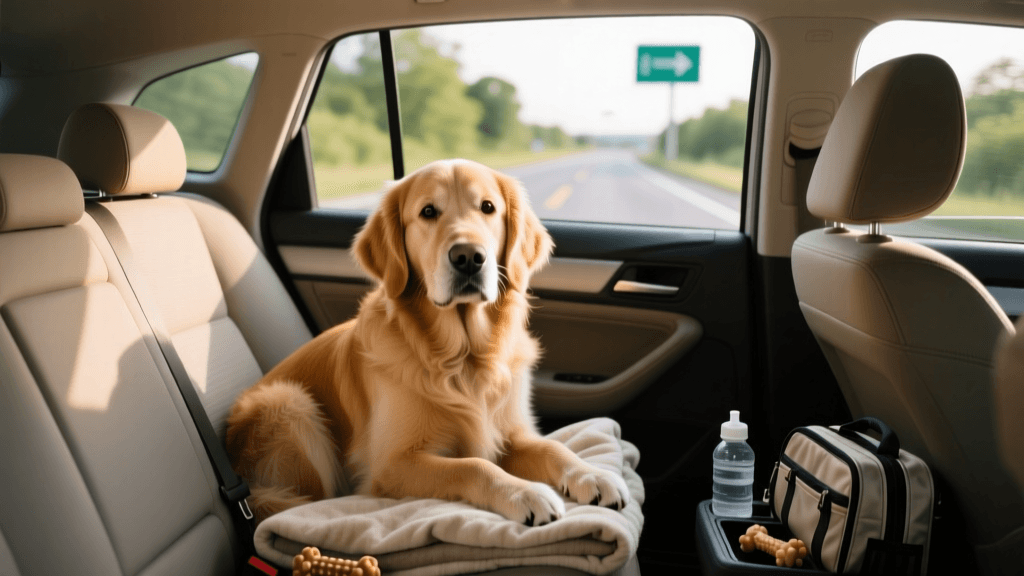
Sharing your life with a dog means taking them on adventures, running errands, and visiting the veterinarian. However, for many pet parents, loading the dog into the car is a stressful ordeal marked by whining, drooling, or worse. To effectively solve the problem of car-related distress, you must first accurately diagnose whether your dog is suffering from physiological motion sickness or psychological travel anxiety. While the symptoms can overlap, the underlying causes and treatment protocols are distinctly different.
Physiological Motion Sickness
Motion sickness is a physical condition caused by a disconnect between the visual cues your dog sees and the signals their inner ear (the vestibular system) sends to the brain. This sensory conflict leads to nausea. According to VCA Animal Hospitals, motion sickness is most common in puppies and young dogs because the structures of the inner ear responsible for balance are not fully developed. Many puppies outgrow this condition by the time they reach one year of age. Common symptoms include excessive drooling, smacking lips, lethargy, yawning, and vomiting. If your dog appears physically ill and relaxed but nauseous, motion sickness is likely the culprit.
Psychological Travel Anxiety
Travel anxiety, on the other hand, is a behavioral and emotional response. Dogs are creatures of habit and classical conditioning. If a dog's primary experience with the car involves the stress of the veterinary clinic, the nail salon, or being left at a boarding facility, they will quickly associate the vehicle with fear. Symptoms of travel anxiety include pacing, whining, panting, trembling, hiding when the car keys are jingled, and a refusal to enter the vehicle. In severe cases, a dog may experience panic attacks, resulting in diarrhea or destructive behavior. Unlike motion sickness, travel anxiety will not simply be "outgrown" without targeted behavioral intervention.
Medical and Dietary Solutions for Motion Sickness
If you have identified motion sickness as the primary issue, there are several immediate, actionable steps you can take to soothe your dog's stomach and vestibular system.
- Fasting Before Travel: Withhold your dog's regular meal for 3 to 4 hours before a car ride. A lighter stomach significantly reduces the likelihood of vomiting. However, always ensure they have access to fresh water up until departure.
- Ginger Supplements: Ginger is a natural antiemetic. You can offer canine-specific ginger chews or sprinkle 1/4 teaspoon of pure, organic ginger powder over a small snack for a medium-sized dog (adjust to 1/8 teaspoon for small breeds). Administer this 30 minutes before departure.
- Over-the-Counter and Prescription Medications: For severe motion sickness, consult your veterinarian. Dimenhydrinate (commonly known as Dramamine) is sometimes used at a dosage of 2 to 4 mg per pound of body weight, given an hour before travel. Alternatively, veterinarians frequently prescribe Maropitant citrate (Cerenia), an FDA-approved medication that blocks substance P in the brain to prevent vomiting without causing severe drowsiness. Cerenia typically costs between $3 and $6 per pill and lasts for 24 hours.
Behavioral Modification: The 4-Step Desensitization Protocol
If your dog suffers from travel anxiety, forcing them into the car will only reinforce their fear. You must rewrite their emotional association with the vehicle through systematic desensitization and counter-conditioning. This process requires patience and may take several weeks.
Phase 1: The Car as a Lounge (Engine Off)
Begin by making the stationary car a highly rewarding environment. With the engine off and the doors open, toss high-value treats (like boiled chicken or freeze-dried liver) into the back seat. Feed your dog their regular meals inside the parked car. Do not close the doors or start the engine. The goal is for the dog to voluntarily jump in and feel completely relaxed.
Phase 2: Engine On, Brakes Engaged
Once your dog happily enters the car for meals, introduce the sound and vibration of the engine. Sit with your dog in the car, offer a long-lasting chew (like a bully stick or a frozen Kong), and start the engine. Let it idle for 5 minutes while you offer calm praise. Turn the engine off, remove the chew, and exit the vehicle. Repeat this daily until the dog shows no signs of stress when the engine starts.
Phase 3: Micro-Drives
Progress to putting the car in gear. Drive to the end of your driveway, offer a jackpot of treats, and immediately park and turn off the engine. Gradually increase the distance to a drive around the block, always keeping the trips under 3 minutes. The key is to end the drive *before* the dog exhibits anxiety.
Phase 4: Positive Destinations
For the first month of actual travel, only drive to places your dog loves. Visit the local park, a dog-friendly hardware store, or a friend's house with a fenced yard. Avoid the veterinarian or groomer during this reconditioning phase. The ASPCA strongly advocates for creating positive associations with the car to ensure long-term safety and reduce stress for both the pet and the owner.
Essential Travel Gear: Safety and Calming Aids
Proper restraint is non-negotiable for safe travel. An unrestrained dog can become a dangerous projectile during a sudden stop. Furthermore, providing a secure, den-like space can significantly reduce anxiety. Below is a comparison of top-tier travel gear to help you diagnose the best solution for your dog's specific needs.
| Product Type | Brand Example | Estimated Cost | Best Use Case & Benefits |
|---|---|---|---|
| Crash-Tested Harness | Sleepypod Clickit Sport | $90 - $120 | Best for dogs who need to sit upright and look out the window. Distributes force across the chest. |
| Hard-Sided Crate | Ruff Land Performance Kennel | $200 - $300 | Best for highly anxious dogs or large breeds. Creates a secure, den-like environment that limits visual overstimulation. |
| Pheromone Spray | Adaptil Transport Spray | $25 - $35 | Best used in conjunction with a crate or harness. Mimics maternal calming pheromones to reduce acute stress. |
| Pressure Wrap | ThunderShirt | $40 - $50 | Best for dogs with generalized anxiety or noise phobias (thunder, fireworks) that exacerbate travel stress. |
When selecting a harness or crate, always look for independent safety certifications. The Center for Pet Safety conducts rigorous crash testing on pet travel products, providing invaluable data to help consumers avoid products that fail under impact. Investing in a CPS-certified harness or crate ensures that your safety solution actually functions as intended during an emergency.
Optimizing the Cabin Environment
The sensory experience inside the vehicle plays a massive role in your dog's comfort level. By controlling the environment, you can preemptively lower your dog's heart rate and cortisol levels.
- Temperature Control: Dogs regulate heat primarily through panting. A stuffy car will trigger anxiety-induced panting, which can quickly escalate into a panic attack. Keep the cabin temperature between 68°F and 72°F (20°C - 22°C) and direct the AC vents toward your dog's resting area.
- Visual Barriers: For dogs that become reactive or dizzy watching the world blur past the window, use stick-on window shades or a hard-sided crate covered with a breathable blanket. Limiting their field of vision prevents sensory overload.
- Auditory Soothing: The rumble of the engine and the rush of wind can be deafening to canine ears. Play classical music or specifically designed canine relaxation tracks (such as the "Through a Dog's Ear" series) at a low volume. Studies have shown that classical music with a slow tempo (50-60 beats per minute) can significantly lower a dog's respiratory rate and stress indicators.
Pro Tip: Never use the front passenger seat for your dog. Active airbags can be fatal to dogs in the event of a collision. The back seat, or the cargo area of an SUV (if using a secured, crash-tested crate), are the only safe zones for canine passengers.
When to Seek Professional Help
While many dogs respond beautifully to a combination of desensitization, environmental management, and over-the-counter calming aids, some cases require professional intervention. If your dog's anxiety results in self-injury (such as breaking teeth on a crate), extreme panic, or if the desensitization protocol yields no progress after several weeks, it is time to consult a Veterinary Behaviorist. A professional can prescribe targeted anti-anxiety medications, such as Trazodone or Gabapentin, to lower the dog's baseline anxiety enough for behavioral training to actually take effect.
Solving car sickness and travel anxiety is rarely an overnight fix. It requires a methodical approach, a commitment to positive reinforcement, and the right safety gear. By accurately diagnosing the root cause of your dog's distress and implementing these structured solutions, you can transform the car from a chamber of terror into a gateway to your dog's favorite adventures.
marcus-aldridge
All our authors care for dogs every day — read more of their work on the authors page.