Using Raw Food Diets for High-Drive Recall Training 2026
Discover how fresh raw treats boost high-drive recall training in 2026. Learn portioning, safe handling, and top raw food rewards for reliable dog recalls.
The Evolution of Recall Training: Why Raw and Fresh Treats Dominate in 2026
Recall training is the cornerstone of canine safety and off-leash freedom. When a dog ignores a squirrel, a discarded food wrapper, or another dog to sprint back to their owner, the reward must be worth the sacrifice. In 2026, professional behaviorists and competitive obedience handlers have largely shifted away from highly processed, shelf-stable training treats in favor of fresh, raw, and biologically appropriate alternatives. This shift is not merely a dietary trend; it is rooted in canine behavioral science and olfactory stimulation.
Dogs possess up to 300 million olfactory receptors, making their sense of smell exponentially more powerful than ours. When you use fresh raw meat, organ tissues, or alternative fresh foods as primary reinforcers, you are engaging your dog's primal hunting instincts. The volatile organic compounds released by raw, unadulterated proteins create a "scent trail" that processed kibble simply cannot replicate. For high-drive dogs or those easily distracted by environmental stimuli, the aroma of fresh raw treats acts as a magnetic lure, drastically reducing the time it takes to condition a reliable, emergency recall.
Selecting the Best Fresh and Raw Rewards for High-Value Recall
Not all raw foods are created equal when it comes to behavioral conditioning. For recall training, you need rewards that can be consumed quickly, carry a potent scent, and rank at the very top of your dog's preference hierarchy. Here are the top raw and fresh rewards utilized by top trainers in 2026:
1. Freeze-Dried or Fresh Beef Liver
Beef liver is the gold standard for high-value training. Its intense, metallic scent cuts through environmental distractions. While fresh, lightly seared liver can be used for low-distraction environments, freeze-dried raw liver is preferred for outdoor recall training. It retains the complete nutritional profile and scent of raw liver without the mess, and it shatters easily into micro-bites, allowing for rapid reinforcement without filling the dog up too quickly.
2. Fresh Green Tripe
To a human, raw green tripe smells atrocious. To a dog, it is the equivalent of a gourmet steak. Green tripe (the unbleached, unwashed stomach lining of ruminants) is packed with natural enzymes and probiotics. Because of its incredibly pungent odor, it is the ultimate "jackpot" reward for emergency recalls or proofing a recall in highly distracting environments like dog parks or hiking trails.
3. Raw Quail Eggs
For medium to large breeds, a whole raw quail egg serves as an exceptional jackpot reward. When a dog successfully completes a long-distance recall or breaks away from a high-level distraction, cracking a raw quail egg directly into their mouth or onto a lick mat provides a novel, enriching, and highly palatable experience. Quail eggs are rich in amino acids and essential fatty acids, supporting the cognitive function required for intensive training sessions.
4. Fresh Sardines and Smelt
Fish offers a completely different scent profile that many dogs find irresistible. Whole, raw, or freeze-dried sardines are rich in Omega-3 fatty acids, which are proven to reduce neuro-inflammation and support focus during learning phases. The strong marine scent carries exceptionally well on the wind, making it an ideal reward for field training and distance recalls.
Safe Handling of Raw Training Treats in 2026
While the benefits of raw treats for behavioral conditioning are immense, safe handling is non-negotiable. The FDA guidelines on raw pet food emphasize the importance of preventing cross-contamination and bacterial exposure, particularly with pathogens like Salmonella and Listeria. In 2026, trainers utilize antimicrobial, temperature-controlled treat pouches equipped with removable ice packs to keep fresh meats at safe temperatures during outdoor sessions.
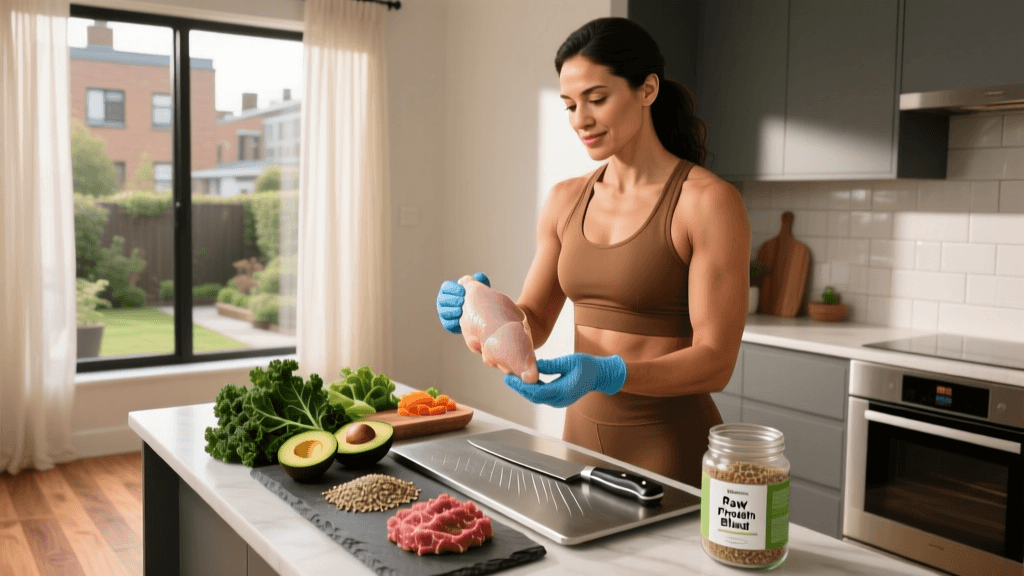
Always practice strict hygiene: wash your hands thoroughly with soap and water after handling raw training treats, and never use raw pork or wild game due to the risks of trichinosis and pseudorabies. If you are preparing fresh liver or tripe at home, use dedicated cutting boards and sanitize all surfaces immediately. For handlers who prefer to avoid raw meat handling entirely, high-pressure processed (HPP) raw treats offer a pathogen-free alternative while retaining much of the raw scent profile.
Portion Control: Balancing Training Rewards with Daily Raw Meals
One of the most common mistakes owners make when switching to raw training treats is overfeeding, leading to obesity or nutritional imbalances. According to the WSAVA Global Nutrition Guidelines, treats and training rewards should never exceed 10% of a dog's total daily caloric intake. When using rich organ meats like liver, this 10% rule is even more critical, as excessive Vitamin A can cause toxicity over time.
Below is a structured guide to help you balance your dog's daily raw diet with their training treat allowance:
| Dog Weight (lbs) | Daily Raw Diet (Calories) | Max Treat Allowance (10%) | Equivalent in Freeze-Dried Liver |
|---|---|---|---|
| 20 | 600 | 60 Calories | ~15 small pea-sized bites |
| 40 | 1,000 | 100 Calories | ~25 small pea-sized bites |
| 60 | 1,350 | 135 Calories | ~35 small pea-sized bites |
| 80 | 1,700 | 170 Calories | ~45 small pea-sized bites |
Note: Always subtract the caloric value of training treats from your dog's morning or evening raw meal portion to maintain optimal body condition.
Step-by-Step Recall Protocol Using High-Value Raw Rewards
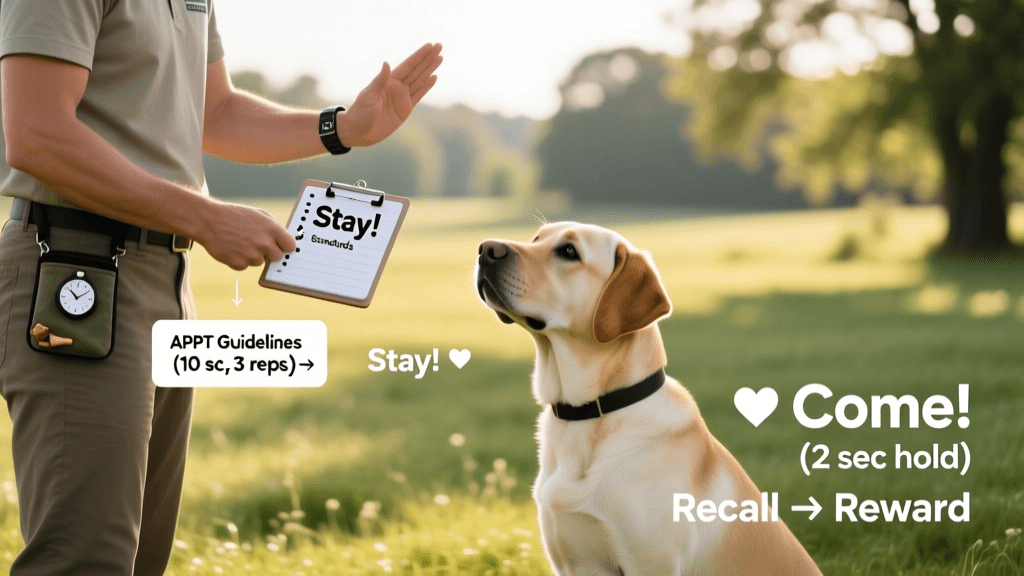
Implementing raw treats into your training requires a strategic approach. The AKC's foundational recall training principles emphasize building a positive emotional response to the recall cue. Here is how to integrate fresh and raw rewards into a progressive training plan:
Phase 1: Low-Distraction Conditioning (Indoors)
Begin in a quiet room with a fresh, mild-smelling reward, such as small pieces of raw muscle meat or a fresh bone broth ice cube. Say your dog's name followed by your recall cue (e.g., "Come"). When they arrive, mark the behavior with a clicker or a verbal "Yes!" and immediately deliver the fresh meat. Repeat this 10-15 times per session to build a strong baseline association between the cue and the fresh food reward.
Phase 2: Medium-Distraction Proofing (Fenced Yard)
Move to a fenced outdoor area. Upgrade your reward to a higher-scent option, such as freeze-dried green tripe or raw sardines. Practice recalling your dog away from mild distractions, like a sniffing spot or a stationary toy. If they hesitate, use the pungent scent of the tripe to lure them, but only give the reward once they complete the recall. This phase teaches the dog that returning to you is always more rewarding than the environment.
Phase 3: High-Distraction Emergency Recalls (Open Environments)
This phase is reserved for long-line work in open spaces. Here, you deploy the "jackpot" reward. If your dog successfully breaks away from a high-level distraction (like another dog or a wildlife scent) and returns to you, deliver a massive jackpot: a whole raw quail egg or a generous handful of fresh beef liver. The surprise and high value of the jackpot create a lasting neurological imprint, reinforcing the emergency recall for life.
Troubleshooting Common Raw Training Mistakes
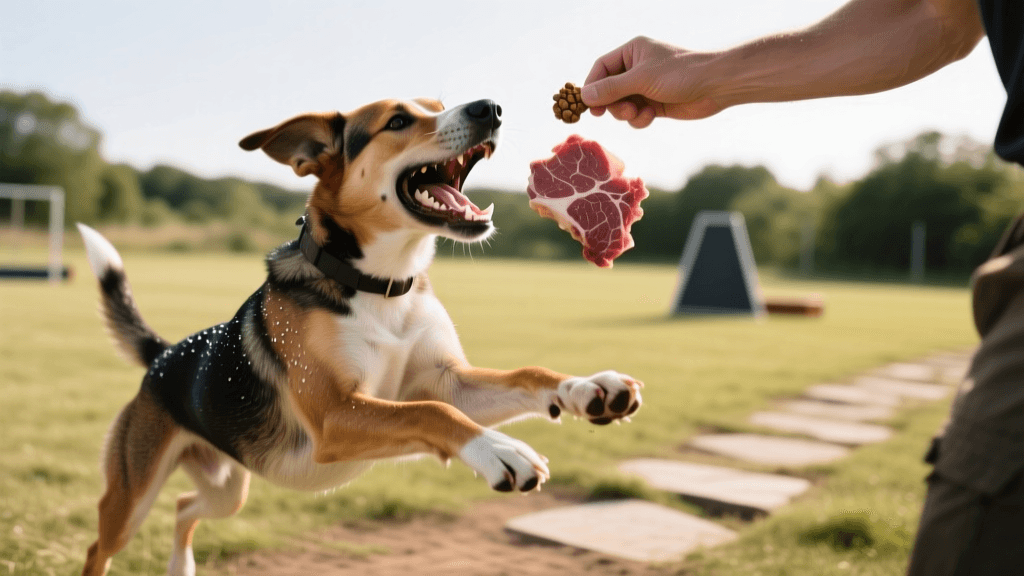
Even with the best ingredients, handlers can encounter hurdles. A frequent issue is "treat fatigue," where a dog becomes bored of the same protein. To combat this, rotate your raw rewards weekly—switch from beef liver to fresh sardines, then to raw quail eggs. Another common mistake is poor treat delivery. If a dog jumps or snatches raw meat aggressively, it can cause minor injuries. Teach a gentle "take it" cue using a soft, fresh reward like a blueberry or a piece of fresh watermelon before introducing raw meats.
Conclusion
As we navigate the evolving landscape of canine behavioral conditioning in 2026, the integration of raw, fresh, and alternative diets into recall training offers an unparalleled advantage. By leveraging the primal power of scent and the nutritional density of whole foods, you can build a recall that is not just obedient, but genuinely enthusiastic. Prioritize safe handling, respect the 10% caloric rule, and watch your dog's reliability soar to new heights.
jonas-cole
All our authors care for dogs every day — read more of their work on the authors page.