2026 Raw Diet Recall Training: Best Fresh Rewards
Master recall training in 2026 using high-value raw and fresh diet proteins. Discover safe handling, top rewards, and step-by-step conditioning techniques.
The Evolution of High-Value Rewards in 2026
As we navigate the dog training landscape in 2026, the shift toward species-appropriate, raw, and gently cooked fresh diets is no longer a niche trend; it is a mainstream standard for dedicated dog owners. But how does this dietary shift impact behavioral conditioning, specifically the most critical safety command: recall? When your dog is off-leash and a sudden distraction appears, a standard dry biscuit simply will not compete with the environment. To build a bulletproof recall, trainers and behaviorists are increasingly leveraging the intense biological drive triggered by raw and fresh diet proteins.
Using fresh and raw foods as training rewards bridges the gap between daily nutrition and high-stakes behavioral conditioning. This guide explores the science behind fresh protein rewards, provides a comprehensive comparison of the best options available this year, and outlines a step-by-step recall training protocol utilizing these high-value alternatives.
The Biological Drive: Why Raw and Fresh Proteins Dominate
To understand why fresh and raw diets make superior training rewards, we must look at canine olfactory science. Dogs possess up to 300 million olfactory receptors, and the olfactory bulb in their brain is proportionally 40 times larger than ours. When kibble is manufactured, the high-heat extrusion process destroys many of the natural volatile organic compounds (VOCs) that give raw meat its distinct, enticing aroma.
Fresh and raw diets, whether gently cooked, air-dried, or completely raw, retain these vital VOCs. The moisture content in fresh food also acts as a scent amplifier, releasing aromatic particles into the air that immediately trigger a dog's primal prey drive and food motivation. According to behavioral nutritionists, the scent profile of raw green tripe or fresh beef liver creates a neurological response that dry, processed treats simply cannot replicate. This makes fresh proteins the ultimate 'jackpot' reward for high-distraction environments.
Kibble vs. Fresh: The High-Distraction Environment
Imagine you are hiking with your dog, and they catch the scent of a deer. In that moment of intense environmental arousal, you issue your recall cue. If your reward history is built on dry kibble, the dog's brain will quickly calculate that the deer is more interesting than the dry biscuit in your pocket.
However, if your recall training has been conditioned using high-value fresh proteins, the calculus changes. The intense aroma and rich taste of a fresh raw reward create a positive reinforcement history that can override environmental distractions. In 2026, professional force-free trainers heavily advocate for matching the value of the reward to the difficulty of the distraction. Fresh and raw proteins sit at the very top of this reward hierarchy.
2026 Comparison Chart: Top Fresh and Raw Training Rewards
Not all fresh and raw rewards are created equal when it comes to field training. Below is a comparison of the most effective fresh diet proteins used for recall conditioning this year.
| Reward Type | Scent Intensity | Portability | Best Training Scenario |
|---|---|---|---|
| Raw Green Tripe | Extreme | Low (Messy/Requires Sealed Pouch) | Emergency Recall in Extreme Distraction |
| Freeze-Dried Raw Liver | High | High (Dry and Lightweight) | Hiking, Trail Running, and Field Work |
| Gently Cooked Beef Heart | Moderate-High | Moderate (Slightly moist) | Backyard Distance Building and Proofing |
| Air-Dried Venison | Moderate | High (Shelf-stable) | Urban Recall with Mild to Medium Distractions |
| Fresh Raw Sardines | Extreme | Low (Requires specialized container) | Scent Work and High-Arousal Sport Training |
Step-by-Step Recall Conditioning with Fresh Diets
Integrating fresh and raw proteins into your recall training requires a structured approach to ensure the dog associates the intense reward specifically with the act of returning to you.
Phase 1: Charging the Marker and Luring
Begin in a low-distraction indoor environment. Use a gently cooked fresh protein, such as small cubes of chicken or beef heart. Say your recall cue (e.g., 'Come' or a specific whistle), and the moment your dog moves toward you, use a marker word like 'Yes!' or a clicker. When they arrive, deliver the fresh reward directly to their mouth. The goal here is to build a strong classical conditioning response: the recall cue predicts the arrival of an incredible fresh meal.
Phase 2: The Restrained Recall and Distance Building
Move to a fenced yard or a controlled outdoor space. Have a helper gently restrain your dog. Show them a piece of freeze-dried raw liver, then run away while calling your recall cue. The helper releases the dog, and the dog chases you down. The physical act of chasing combined with the high-value raw reward creates a powerful dopamine release, cementing the behavior. Gradually increase the distance and introduce mild environmental distractions.
Phase 3: The 'Jackpot' System for High Distraction
When proofing the recall around major distractions (other dogs, wildlife, busy parks), you must use the 'Jackpot' method. Reserve your highest-scent proteins—like raw green tripe or fresh sardines—exclusively for these high-stakes moments. When the dog abandons a high-value distraction to return to you, do not just give one piece of tripe. Give three to five pieces in rapid succession, paired with enthusiastic praise. This 'jackpot' effect creates a lasting memory that returning to you in difficult situations yields the ultimate biological payout.
Safe Handling and Transport of Raw Rewards
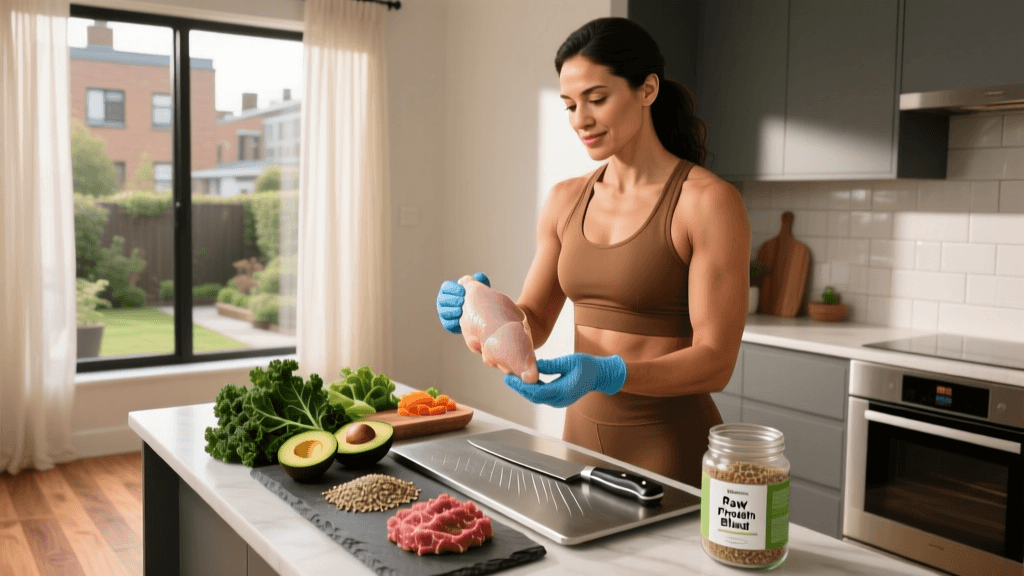
While raw and fresh proteins are exceptional training tools, they require strict hygiene and safety protocols. The Food and Drug Administration (FDA) emphasizes that raw pet food diets can carry pathogens like Salmonella and Listeria, which pose risks to both humans and pets if handled improperly.
When training outdoors with raw meats, never carry them loose in your pockets. Invest in a high-quality, leak-proof, insulated treat pod that can be easily wiped down with pet-safe antibacterial wipes. For long hikes or hot summer days where raw meat might spoil, transition to freeze-dried raw alternatives. Freeze-drying removes the moisture that bacteria need to thrive while locking in the VOCs and nutrients, offering a safe, portable, and highly aromatic reward that complies with all outdoor safety standards.
Caloric Balancing: The 'Deduct and Train' Method
One of the most common concerns when using rich, fresh proteins for training is the risk of overfeeding and canine obesity. Fresh meats are calorie-dense, and a heavy training session can easily push a dog over their daily caloric limit. The Tufts University Cummings Veterinary Medical Center and the World Small Animal Veterinary Association (WSAVA) consistently recommend that treats and training rewards should not exceed 10% of a dog's total daily caloric intake.
To implement the 'Deduct and Train' method, calculate the calories in the fresh proteins you plan to use for your training session. For example, if you are using 50 calories worth of gently cooked beef heart for a 30-minute recall session, you must deduct exactly 50 calories from your dog's regular evening meal. Many fresh diet brands in 2026 now provide precise caloric breakdowns per ounce on their packaging, making it easier than ever to balance your dog's nutritional needs while maintaining the high-value reward structure necessary for advanced behavioral conditioning.
Conclusion
Mastering a reliable recall is the cornerstone of off-leash freedom and canine safety. By leveraging the intense biological appeal of raw, fresh, and alternative diet proteins, you can cut through environmental distractions and build a recall that holds up in the real world. Prioritize scent intensity, handle raw rewards safely, and balance your dog's daily caloric intake to ensure that your training sessions in 2026 are as healthy as they are effective.
robin-maitland
All our authors care for dogs every day — read more of their work on the authors page.