2026 Force-Free Puppy Bite Inhibition & Teething Guide
Discover force-free puppy bite inhibition techniques for 2026. Learn positive reinforcement methods using Kong and Toppl toys to stop puppy biting fast.
Understanding Puppy Biting and Teething in 2026
Bringing a new puppy home is an exhilarating experience, but it often comes with a sharp, painful reality: puppy teeth. As we navigate dog training in 2026, the veterinary and behavioral science communities are more aligned than ever on one crucial fact—puppies do not bite out of malice, dominance, or a desire to be the 'alpha.' They bite because they are exploring their environment, going through intense developmental teething phases, and learning how to communicate.
Between the ages of three and six months, your puppy will lose their 28 deciduous (baby) teeth and grow 42 adult teeth. This process causes significant gum inflammation, discomfort, and an overwhelming urge to chew. According to the ASPCA's guidelines on teething and mouthing, providing appropriate outlets for this natural behavior is essential for their physical comfort and psychological development.
The Problem with Outdated Punishment Methods
Historically, some trainers recommended force-based methods to stop puppy biting, such as holding the puppy's muzzle shut, tapping them on the nose, or performing 'alpha rolls.' In 2026, these methods are universally condemned by certified behaviorists. Force-free training relies on the principle that punishment suppresses behavior temporarily but fails to teach the puppy what they should do instead.
Worse, physical corrections can lead to 'hand-shyness,' where a puppy learns to fear human hands approaching their face. This fear can quickly escalate into defensive aggression. The Humane Society of the United States strongly advocates for positive reinforcement and redirection, noting that force-free methods build trust and effectively teach bite inhibition—the ability to control the force of a mouthing bite.
Essential 2026 Force-Free Teething Tools
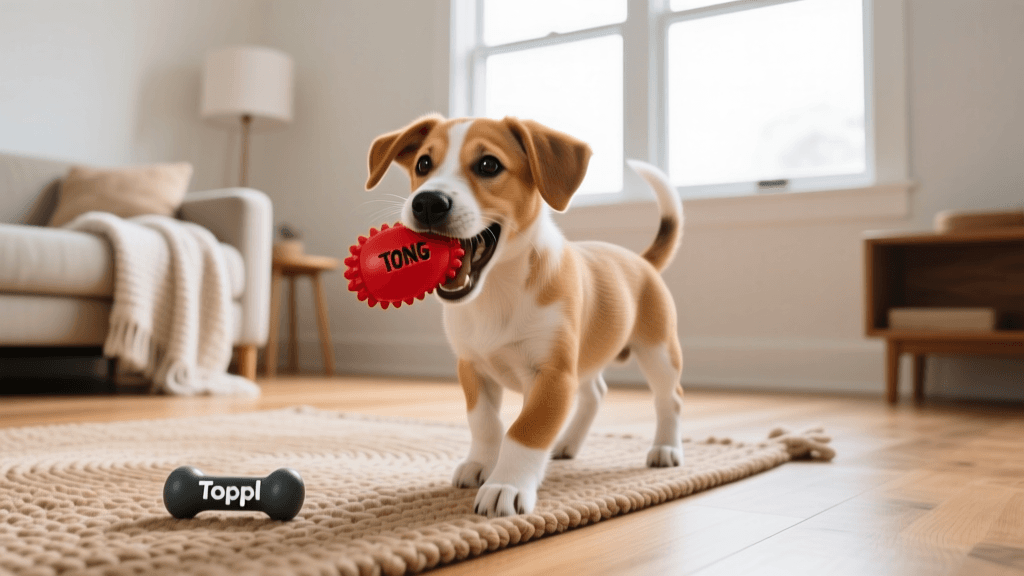
To successfully redirect a teething puppy, you need tools that are engaging, durable, and safe. The market for enrichment toys has evolved, and having the right gear is half the battle. Below is a comparison of the top force-free teething tools recommended by behaviorists this year.
| Toy Name | Material | 2026 Avg. Price | Best Use Case |
|---|---|---|---|
| Kong Classic (Red) | Natural Rubber | $15 - $20 | Heavy stuffing, freezing, and long-term solo chewing. |
| West Paw Toppl | Zogoflex | $20 - $25 | Interlocking for puzzle feeding, softer on inflamed gums. |
| Benebone Puppy | Nylon & Real Bacon | $12 - $15 | Aggressive chewers needing a durable, non-edible outlet. |
| Lickimat Soother | Food-Grade TPR | $10 - $14 | Calming licking behavior, spreading soft treats/purees. |
The 3-Step Positive Reinforcement Protocol
Teaching bite inhibition requires consistency, patience, and a strict adherence to force-free principles. Follow this three-step protocol whenever your puppy's teeth make contact with your skin.
Step 1: The Redirect Method
Always keep a designated teething toy within arm's reach. The moment your puppy's teeth graze your skin, immediately withdraw your hand and present the toy. When the puppy bites the toy, offer enthusiastic verbal praise ('Yes! Good chew!'). This teaches the puppy that human skin is entirely off-limits, but rubber and nylon toys yield positive attention.
Step 2: The Reverse Time-Out (Negative Punishment)
If the puppy is overstimulated and ignores the redirect, it is time for a reverse time-out. In traditional time-outs, the dog is put in a crate. In a force-free reverse time-out, the human leaves the room. If teeth touch skin, say a neutral marker word like 'Oops,' stand up, and step over a baby gate or leave the room for 10 to 15 seconds. This removes the most valuable resource—your attention—without inducing fear or isolation anxiety.
Step 3: Capturing Calm and Rewarding Gentle Play
According to the American Kennel Club's training advice on puppy biting, rewarding the absence of biting is just as important as managing the biting itself. Keep a treat pouch on you during the day. Whenever your puppy is resting quietly, chewing on their own toy, or licking your hand without using teeth, drop a high-value treat between their paws. This 'capturing calm' technique reinforces that gentle behavior and independent play are highly rewarding.
Soothing Frozen Treat Recipes for Inflamed Gums
Cold therapy is a cornerstone of force-free teething management. Freezing enrichment toys numbs sore gums and provides mental stimulation. However, 2026 veterinary nutrition guidelines emphasize that frozen treat calories must be factored into your puppy's daily intake to prevent rapid growth spurts and orthopedic issues. Treats should not exceed 10% of their daily caloric needs.
- The Blueberry Goat Milk Toppl: Mash a handful of fresh blueberries and mix with plain, unsweetened goat milk. Pour into a West Paw Toppl and freeze for 4 hours. The antioxidants support immune health while the cold liquid soothes gums.
- The Bone Broth & Carrot Kong: Finely grate a raw carrot and mix it with low-sodium, puppy-safe bone broth (ensure it contains zero onions or garlic). Stuff into a Kong Classic and freeze overnight. The crunch of the carrot provides excellent dental friction.
- The Pumpkin & Kibble Lickimat: Soak a portion of your puppy's measured daily kibble in warm water until soft. Mix with a spoonful of 100% pure pumpkin puree (not pie filling). Spread onto a Lickimat Soother and freeze. The licking action releases endorphins, naturally calming an overstimulated, bitey puppy.
Managing the Environment and Avoiding Mistakes
Even the best positive reinforcement protocol will fail if the puppy's environment is not properly managed. Puppies often bite most intensely when they are overtired, much like human toddlers throwing tantrums. A puppy needs 18 to 20 hours of sleep per day. If your puppy turns into a 'land shark' and cannot be redirected, they likely need an enforced nap in their crate or a quiet puppy-proofed pen.
Common Force-Free Mistakes to Avoid:
- Wiggling Hands: Pulling your hand away quickly triggers a puppy's prey drive, making them bite harder. Instead, push gently toward the puppy or go completely limp before redirecting.
- Inconsistency: If you allow the puppy to mouth your hands on Sunday but scold them on Monday, they will become confused. All family members must adhere to the exact same 'no teeth on skin' rule.
- Overstimulating Play: Avoid roughhousing or wrestling with your hands. Use long tug toys to keep your hands safely away from the puppy's mouth during high-energy play sessions.
When to Seek Professional Help
While mouthing and teething are entirely normal, true aggression is rare but requires professional intervention. If your puppy exhibits stiff body language, hard staring, deep growling, or bites that break the skin without the context of play or teething, consult a certified force-free behaviorist immediately. Early intervention during the critical socialization window (up to 16 weeks) is vital for long-term behavioral health.
Conclusion
Navigating the puppy teething phase in 2026 is entirely manageable when you abandon outdated dominance theories and embrace science-backed, force-free methods. By utilizing modern enrichment tools like the Toppl and Kong, implementing reverse time-outs, and rewarding gentle behavior, you will not only save your hands but also build a profound, trust-based bond with your growing dog. Stay patient, stay consistent, and remember that this sharp-toothed phase is wonderfully temporary.
jonas-cole
All our authors care for dogs every day — read more of their work on the authors page.