Force-Free Puppy Bite Inhibition: Redirect & Reward Protocol 2026
Discover the force-free redirect and reward method for puppy bite inhibition in 2026. Learn positive reinforcement techniques and top teething toy picks.
The Shift to Force-Free Puppy Training in 2026
Welcome to the joyful, yet sometimes painful, reality of raising a puppy. If you have ever felt the needle-like teeth of an eight-week-old Labrador Retriever sinking into your ankle, you are not alone. Puppy mouthing and biting are entirely normal developmental behaviors. However, how we respond to these sharp little nips has evolved significantly. In 2026, the gold standard for puppy care has decisively shifted away from outdated, dominance-based theories and aversive corrections. Today, veterinary behaviorists and certified professional dog trainers universally advocate for positive reinforcement and force-free methods. This comprehensive guide will walk you through the highly effective 'Redirect and Reward' protocol for puppy bite inhibition, ensuring your puppy learns gentle play without fear or confusion.
The Science Behind Force-Free Bite Inhibition
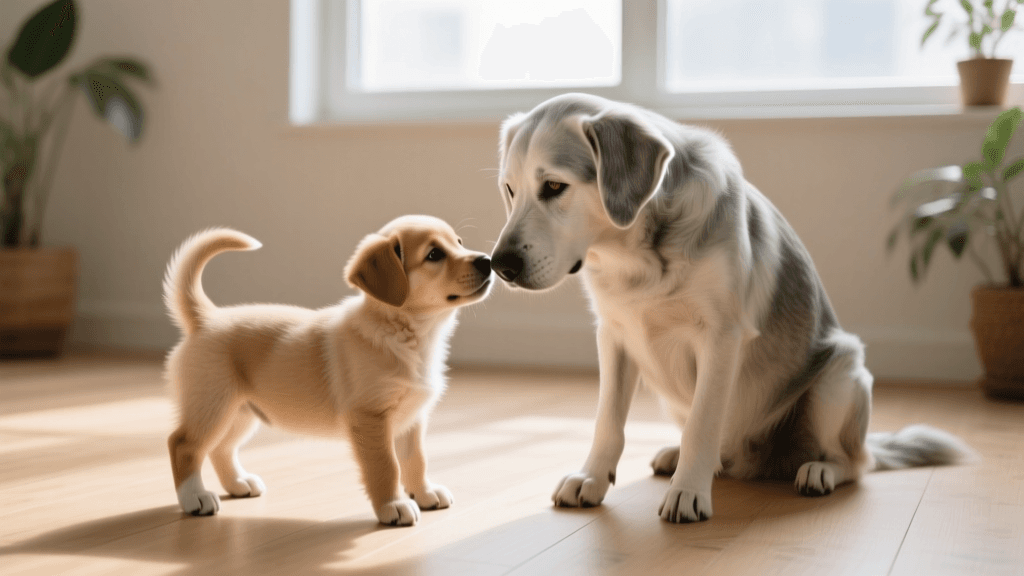
Historically, well-meaning but misinformed advice suggested that owners should mimic mother dogs by yelping loudly, holding the puppy's muzzle shut, or performing 'alpha rolls' to stop biting. Modern behavioral science has thoroughly debunked these methods. According to the American Veterinary Society of Animal Behavior (AVSAB), aversive punishment can increase anxiety, suppress warning signals, and damage the trust between you and your puppy. Furthermore, loud yelping often overstimulates high-arousal puppies, causing them to bite harder in a state of frantic excitement. Force-free training relies on operant conditioning—specifically, differential reinforcement of incompatible behaviors (DRI). By teaching the puppy what to do with their mouth rather than simply punishing what they shouldn't do, we build lasting bite inhibition rooted in positive associations.
Understanding the 2026 Puppy Teething Timeline
To effectively manage biting, it is crucial to understand the physiological drivers behind it. Puppies explore the world using their mouths, much like human toddlers use their hands. Coupled with the discomfort of teething, this creates a perfect storm for nipping.
- 3 to 6 Weeks: Deciduous (milk) teeth emerge. Puppies learn initial bite inhibition from their littermates.
- 12 to 16 Weeks: The teething process begins in earnest. Gums become inflamed, itchy, and painful as adult teeth push through the jawline.
- 4 to 6 Months: Peak teething discomfort. Adult canines and premolars erupt, leading to increased chewing and mouthing behaviors.
- 6 to 8 Months: All 42 adult teeth are typically in place, though the habit of mouthing may persist if not properly redirected.
The 'Redirect and Reward' Protocol: Step-by-Step
This force-free method requires patience, consistency, and a pocket full of high-value treats.
Step 1: Anticipate and Manage
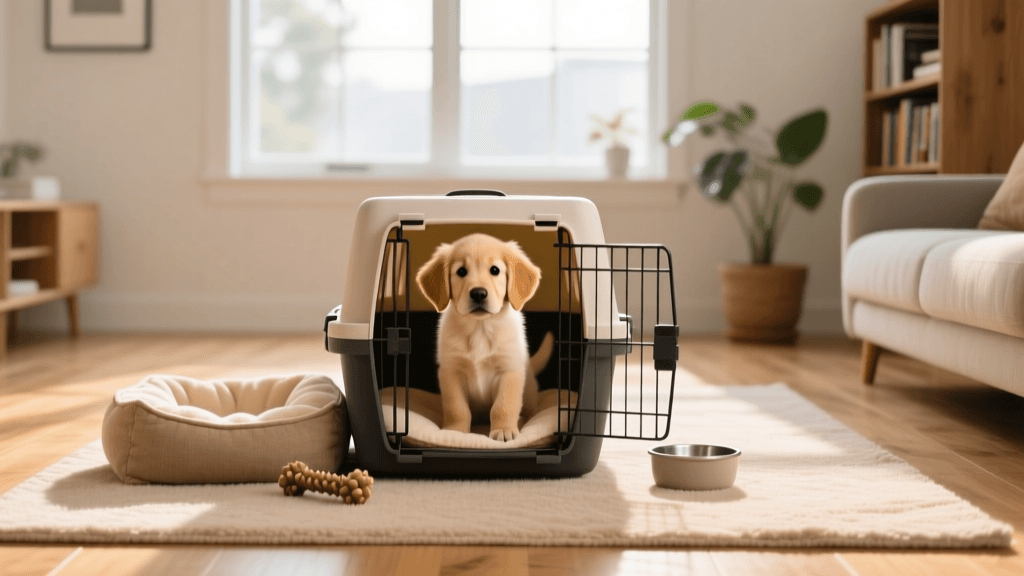
Puppies usually bite when they are over-tired, over-stimulated, or teething. Watch for the 'zoomies' or the glassy-eyed look that precedes a biting spree. Management is your first line of defense; keep a plush toy or a dedicated chew item within arm's reach at all times.
Step 2: The Silent Redirect
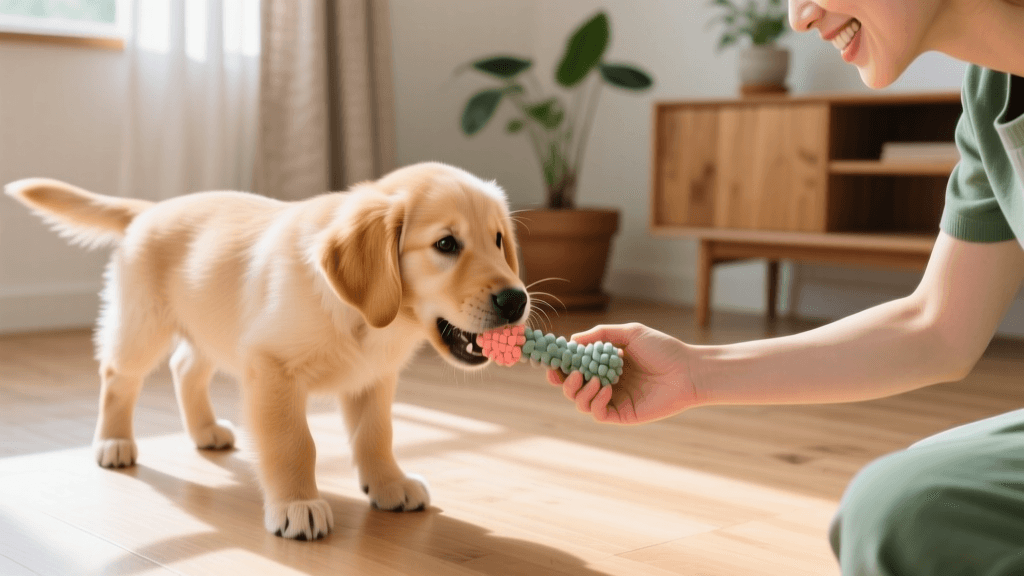
When the puppy's teeth make contact with your skin or clothing, freeze completely. Do not yank your hand away, as this triggers their prey drive and encourages chasing. Silently and calmly present an appropriate teething toy directly to their nose.
Step 3: Reward the Choice
The moment the puppy releases your skin and places their mouth on the toy, use a marker word like 'Yes!' or a clicker, and offer verbal praise. The toy itself is the primary reward, but your positive attention reinforces that chewing toys yields wonderful social interaction.
Step 4: The Reverse Time-Out
If the puppy ignores the toy and continues to bite your skin, calmly stand up, cross your arms, and step behind a baby gate or leave the room for exactly 10 to 15 seconds. This teaches the puppy a vital force-free lesson: teeth on human skin makes the fun stop, while teeth on toys makes the fun continue. The ASPCA highly recommends this gentle withdrawal of attention as a primary tool for curbing rough play.
Top Force-Free Teething Toys for 2026
Not all chew toys are created equal. For a force-free approach, you need toys that are engaging, safe for developing jaws, and capable of soothing inflamed gums. Below is a comparison of the top veterinarian-recommended puppy teething toys available this year.
| Toy Name | Material | Best Use Case | 2026 Est. Price |
|---|---|---|---|
| West Paw Toppl | Zogoflex Rubber | Interactive stuffing, freezing with yogurt or bone broth to numb gums. | $22.00 |
| KONG Puppy Goodie Bone | Soft Puppy Rubber | Gentle teething relief with patented ridges for soft treats. | $14.00 |
| Nylabone Puppy Chew Freezer Ring | Thermoplastic Polymer | Durable chewing and cold therapy for peak teething weeks. | $11.00 |
| Snuffle Mat for Puppies | Fleece Fabric | Mental enrichment to drain energy and prevent boredom-biting. | $18.00 |
Enrichment: The Secret Weapon Against Boredom Biting
A tired puppy is a gentle puppy, but physical exercise alone is rarely enough. Mental fatigue is incredibly effective at reducing hyperactive mouthing. Incorporating force-free enrichment into your 2026 puppy routine is essential. Lick mats smeared with dog-safe peanut butter and frozen, or snuffle mats that encourage natural foraging behaviors, can lower a puppy's heart rate and reduce stress-induced biting. The Humane Society of the United States emphasizes that providing appropriate outlets for natural behaviors drastically reduces destructive and annoying habits in the home.
Managing Puppy Biting Around Children and Guests
Puppies often become exceptionally mouthy when children or unfamiliar guests enter the home. The sudden influx of high-pitched voices, erratic movements, and novel scents can push a puppy over their arousal threshold. In a force-free household, it is your responsibility to manage the environment to set both the puppy and the guests up for success. Before guests arrive, place your puppy in a secure playpen with a frozen West Paw Toppl or a long-lasting chew. This prevents the puppy from practicing the unwanted behavior of jumping and nipping at visitors.
When children are interacting with the puppy, strict supervision is non-negotiable. Teach children the 'Be a Tree' method: if the puppy begins to nip, the child should stand completely still, cross their arms, and look up at the ceiling. Moving away or screaming only fuels the puppy's prey drive. Once the puppy has calmed down and all four paws are on the floor, or they have picked up a toy, you can reward them with a tossed treat. By managing these high-stress interactions, you protect your puppy from being inadvertently punished by frustrated humans and maintain a strictly positive reinforcement environment.
Differentiating Normal Mouthing from True Aggression
New puppy owners frequently panic, wondering if their puppy's biting is a sign of future aggression. It is vital to understand the difference between normal developmental mouthing and true behavioral aggression. Normal puppy biting is characterized by a loose, wiggly body posture, a relaxed face, and the 'play bow.' The puppy is practicing bite inhibition and exploring textures.
True aggression, which is exceedingly rare in young puppies, involves a stiff, frozen body, raised hackles, a hard stare, and a deep, guttural growl. If your puppy is simply nipping at your ankles while doing a playful dance, they are not aggressive; they are just a normal, under-stimulated puppy. Responding to normal mouthing with harsh physical corrections can actually create fear-based aggression. By sticking to the 2026 force-free protocols outlined above, you ensure that your puppy's natural exploration phase is guided gently into appropriate adult behaviors without introducing unnecessary fear or conflict into your relationship.
Common Force-Free Mistakes to Avoid
Even the most dedicated positive reinforcement trainers can stumble. Avoid these common pitfalls:
- Inconsistency: Allowing the puppy to bite your hands during play on Tuesday, but scolding them for the exact same behavior on Wednesday creates profound confusion. Set a household rule: human skin is entirely off-limits.
- Using Hands as Toys: Roughhousing with your bare hands teaches the puppy that human flesh is an acceptable chew toy. Always use tug ropes or flirt poles to engage in physical play.
- Punishing the Bite: Tapping the nose, holding the mouth, or spraying bitter apple on your skin relies on fear and startle responses. This violates the core tenets of force-free training and can lead to defensive aggression later in life.
Conclusion: Patience Pays Off
Raising a puppy using positive reinforcement and force-free methods is an investment in your dog's emotional well-being and your lifelong bond. The 'Redirect and Reward' protocol for bite inhibition does not yield overnight results; it requires weeks of consistent, calm repetition. By providing appropriate teething outlets, managing your puppy's environment, and rewarding gentle choices, you will navigate the sharp-toothed puppy phase with grace. Embrace the 2026 standards of compassionate, science-based dog training, and look forward to a future with a confident, happy, and gentle-mouthed adult dog.
hannah-wickes
All our authors care for dogs every day — read more of their work on the authors page.