Puppy Separation Anxiety 2026: Furbo 360 & Snuggle Puppy Review
Discover how to cure puppy separation anxiety in 2026 using the Furbo 360 camera and Snuggle Puppy. Expert training schedules and product reviews inside.
The Rising Challenge of Puppy Separation Anxiety in 2026
Bringing a new puppy home is one of life's greatest joys, but it often comes with a significant behavioral hurdle: separation anxiety. As hybrid work models continue to evolve in 2026, many puppies experience sudden shifts in their daily routines when their owners return to the office or leave for extended errands. Puppy separation anxiety is not just a phase; it is a genuine panic response that can lead to destructive chewing, excessive vocalization, and inappropriate elimination. According to the ASPCA's guidelines on separation anxiety, addressing this issue early in the first year of life is critical to preventing long-term psychological distress in dogs.
In this comprehensive 2026 guide, we will explore how to combine modern smart pet technology with biological comfort tools to create a foolproof alone-time protocol. Specifically, we will review the latest iterations of the Furbo 360 Dog Camera and the SmartPetLove Snuggle Puppy, providing you with a structured, week-by-week desensitization schedule to help your puppy thrive when left alone.
Understanding the Science of Puppy Alone Time
Before investing in gadgets, it is essential to understand what your puppy is experiencing. Dogs are obligate social animals. When a puppy is separated from its littermates and subsequently from its new human family, the isolation can trigger a fight-or-flight response. The Humane Society's separation anxiety resource notes that puppies lacking gradual desensitization to alone time are significantly more likely to develop chronic anxiety disorders.
The goal of alone-time training is not merely to keep the puppy quiet, but to teach them that solitude is safe, predictable, and temporary. This is where strategic product integration becomes a game-changer for modern dog owners.
The 2026 Tech & Toy Toolkit for Separation Anxiety
To effectively manage and monitor your puppy's stress levels, you need tools that offer both remote interaction and passive comfort. Here is how the top-rated products of 2026 stack up.
Furbo 360 Dog Camera: The Ultimate Monitoring Hub
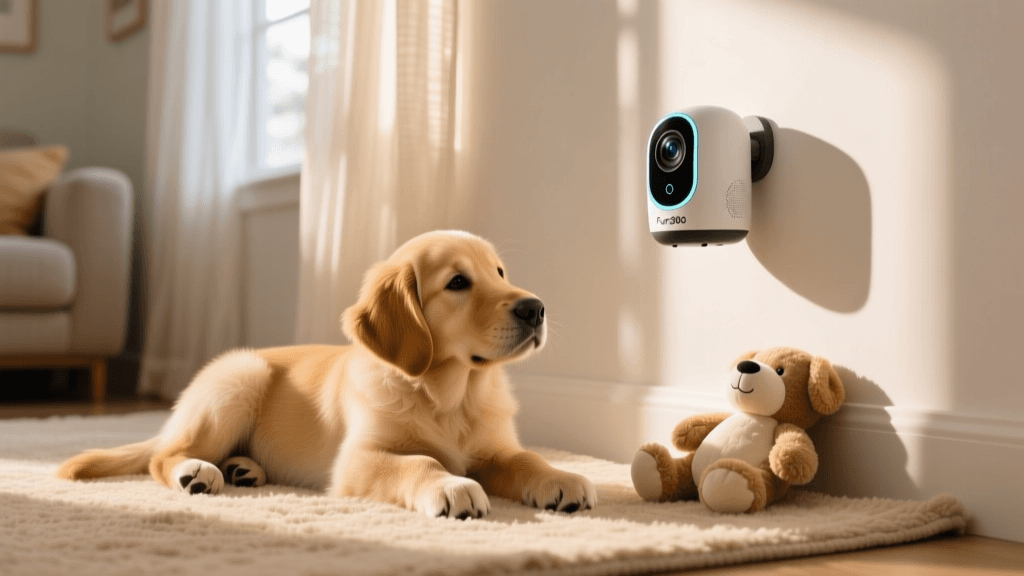
The Furbo 360 has long been a staple in the smart pet industry, but its 2026 firmware and hardware updates have made it an indispensable tool for separation anxiety training. Priced at approximately $249, the device features a 360-degree auto-rotating lens that follows your puppy's movement around the room or inside their playpen.
- AI Dog Recognition & Alerts: The updated AI can distinguish between normal resting behavior and anxiety-induced pacing or whining, sending targeted alerts to your smartphone.
- Two-Way Audio & Treat Tossing: You can speak to your puppy in a calm, reassuring voice and launch treats to reward moments of quiet relaxation. Note: Treat tossing should only be used to reward calm behavior, not to interrupt a panic attack, as this can inadvertently reinforce the anxiety.
- Vomiting & Bark Alerts: Essential for young puppies prone to stress-induced gastrointestinal upset or excessive barking.
SmartPetLove Snuggle Puppy: The Biological Comforter
While cameras allow you to monitor and interact, the Snuggle Puppy (retailing around $45) works on a physiological level. This plush toy mimics the physical sensations of a mother dog and littermates. It features a battery-operated, pulsating heartbeat device and a disposable heat pack that lasts up to 24 hours.
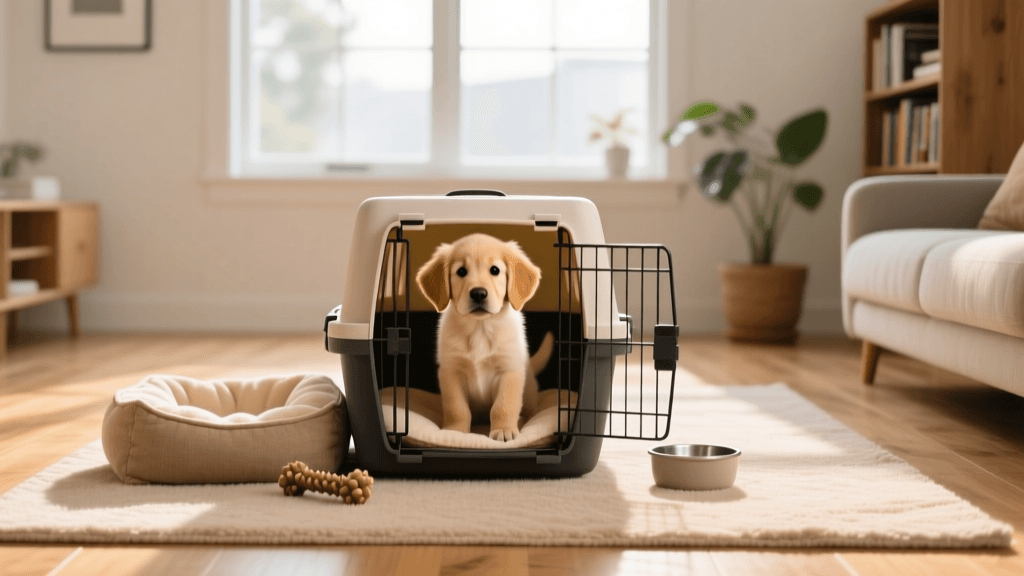
When placed in the puppy's crate or designated safe zone, the Snuggle Puppy tricks the puppy's nervous system into believing they are not alone. The rhythmic heartbeat lowers the puppy's heart rate and reduces cortisol production, making the transition to sleep much smoother during those crucial first few weeks of crate training.
The 2026 Desensitization Training Schedule
Products alone will not cure separation anxiety; they must be paired with a structured behavioral protocol. Below is a four-week desensitization schedule designed for puppies aged 8 to 16 weeks. This protocol gradually increases alone time while utilizing the Furbo 360 and Snuggle Puppy to create positive associations with solitude.
| Week | Target Alone Time | Primary Focus & Tool Integration | Success Metrics |
|---|---|---|---|
| Week 1 | 5 to 15 Minutes | Desensitizing departure cues. Place the activated Snuggle Puppy in the crate. Step out of the room (not the house). Monitor via Furbo. | Puppy settles near the Snuggle Puppy within 3 minutes of your exit. |
| Week 2 | 15 to 45 Minutes | Short absences from the house. Use Furbo's treat toss at the 10-minute mark only if the puppy is lying down quietly. | Puppy does not vocalize or pace when the front door closes. |
| Week 3 | 45 to 90 Minutes | Extended absences. Introduce a frozen Kong or lick mat right before leaving. Snuggle Puppy remains in the crate for comfort. | Puppy engages with the food puzzle and falls asleep naturally. |
| Week 4 | 2 to 4 Hours | Real-world simulation. Run errands. Rely on Furbo's AI alerts to ensure the puppy is resting, not exhibiting destructive stress behaviors. | Puppy sleeps for the majority of the absence and greets you calmly upon return. |
Desensitizing Departure Cues
A major component of separation anxiety is the puppy's ability to predict your departure. Puppies quickly learn that picking up your car keys, putting on your shoes, or grabbing your coat means they are about to be left alone. This triggers a pre-departure panic response.
To combat this, you must break the association between these cues and your actual exit. Throughout the day, put on your shoes and then sit down to watch television. Pick up your keys and walk to the kitchen to get a glass of water. Put on your coat and then immediately take it off. By making these cues meaningless, you prevent the puppy's anxiety from spiking before you have even walked out the door.
Mistakes to Avoid When Leaving Your Puppy Alone
Even with the best technology and training plans, owners often make inadvertent mistakes that sabotage their progress. Avoid these common pitfalls in 2026:
- Making a Fuss When Leaving or Returning: Do not say emotional goodbyes or offer high-energy greetings when you come home. Keep departures and arrivals incredibly boring and low-key. Acknowledge your puppy only after they have settled down and all four paws are on the floor.
- Punishing Anxiety-Induced Accidents: If your puppy has a potty accident or chews a baseboard out of panic, punishing them after the fact will only increase their overall anxiety and fear of you. It does not teach them what to do instead.
- Overusing the Two-Way Audio: While the Furbo 360 allows you to speak to your dog, hearing your voice without being able to see or reach you can actually frustrate some puppies and trigger more barking. Use audio sparingly and test your puppy's reaction.
- Skipping Exercise Before Alone Time: A tired puppy is a calm puppy. Always provide 20 to 30 minutes of vigorous physical exercise and mental enrichment (like sniffaris or puzzle toys) before crating them for an extended period.
When to Seek Professional Veterinary Help
If you have followed a strict desensitization protocol for four weeks and your puppy continues to exhibit severe signs of distress—such as injuring themselves trying to escape the crate, excessive drooling, or refusal to eat high-value treats when alone—it is time to consult a professional. A board-certified veterinary behaviorist can assess whether your puppy requires short-term anti-anxiety medication to lower their arousal threshold enough for behavioral training to take effect. Medication is not a failure; it is a vital tool that alters brain chemistry to allow learning to occur.
Frequently Asked Questions
Can I leave the Snuggle Puppy in the crate unsupervised?
Yes, the SmartPetLove Snuggle Puppy is designed with durable, tear-resistant materials and hidden Velcro compartments for the heartbeat and heat packs. However, if your puppy is an aggressive chewer, you should monitor them via your Furbo camera during the first few uses to ensure they do not attempt to dismantle the toy.
How long can a puppy hold their bladder during alone time?
A general rule of thumb is one hour per month of age. A two-month-old puppy can typically hold it for two hours, while a four-month-old can manage four hours. Never push your puppy beyond their physical bladder capacity during separation anxiety training, as this will result in accidents that create a negative association with the crate.
Is it worth subscribing to the Furbo Care cloud recording service?
For owners dealing with severe separation anxiety, the optional cloud recording service is highly recommended. It allows you to review footage of exactly what triggers your puppy's panic (e.g., the sound of the garbage truck outside or a neighbor's dog barking), enabling you to implement targeted white noise machines or desensitization audio tracks to mask those specific environmental triggers.
Conclusion
Managing puppy separation anxiety in 2026 requires a blend of empathy, behavioral science, and smart technology. By utilizing the Furbo 360 to monitor and reward calm behavior, providing the biological comfort of the Snuggle Puppy, and strictly adhering to a gradual desensitization schedule, you can transform your puppy's alone time from a period of terror into a peaceful, restorative nap. Consistency is your greatest asset; stick to the protocol, keep your departures boring, and watch your puppy grow into a confident, independent adult dog.
aaron-whyte
All our authors care for dogs every day — read more of their work on the authors page.