Force-Free First-Day Dog Essentials & Home Setup 2026
Discover the ultimate 2026 guide to force-free first-day dog essentials, positive reinforcement home setup, and enrichment gear for a stress-free welcome.
Welcoming Your New Dog: The 2026 Force-Free Standard
Bringing a new dog home is one of life’s most exciting milestones, but the first 48 hours can be overwhelming for both you and your new companion. As we move through 2026, the dog care community has overwhelmingly shifted away from outdated, dominance-based training theories. Today, the gold standard for new dog owners is positive reinforcement (R+) and force-free methodology. This approach prioritizes your dog’s emotional well-being, building a foundation of trust rather than fear.
Whether you are bringing home an eight-week-old puppy or a senior rescue dog, setting up a force-free environment from day one is critical. The American Veterinary Society of Animal Behavior (AVSAB) strongly advocates for reward-based methods, noting that aversive techniques can increase stress and exacerbate behavioral issues. In this comprehensive guide, we will walk you through the essential gear, home setup strategies, and positive reinforcement protocols you need for a successful, force-free first week.
The Science of Decompression: Why Force-Free Works
When a dog enters a new environment, their cortisol levels naturally spike. This transition period is often referred to as the '3-3-3 Rule': three days of decompression, three weeks of learning your routine, and three months of building true attachment. During those first three days, a force-free approach means prioritizing management over correction.
Instead of punishing a dog for chewing a shoe or having a potty accident, force-free owners manage the environment to prevent those mistakes from happening. By using baby gates, playpens, and enrichment toys, you set your dog up for success. This proactive strategy prevents the rehearsal of unwanted behaviors and keeps your dog's nervous system regulated, allowing them to learn faster and bond more deeply with you.
2026 Force-Free Gear Comparison Chart
Choosing the right equipment is vital. Many traditional tools, such as slip leads, prong collars, or choke chains, rely on pain or discomfort to force compliance. In 2026, the market is flooded with incredible, humane alternatives designed to work with your dog’s natural biomechanics and psychology. Below is a comparison of top-tier force-free essentials for your first-day setup.
| Item Category | Top 2026 Recommendation | Estimated Price | Force-Free Benefit |
|---|---|---|---|
| Y-Shaped Harness | Haqihana H-Harness | $45 - $65 | Allows full shoulder extension; no tracheal pressure. |
| Treat Pouch | Fenrir Pro Magnetic Pouch | $35 - $45 | Silent magnetic closure prevents startling anxious dogs. |
| Enrichment Toy | West Paw Toppl | $20 - $30 | Interlocking design promotes prolonged, soothing chewing. |
| Calming Mat | LickiMat Soother Pro | $12 - $18 | Licking releases endorphins, naturally lowering heart rate. |
| Long Line | Biothane Waterproof 15ft | $25 - $40 | Provides safe freedom for sniffaris without jerking. |
Puppy-Proofing Without Punishment: Setting Up for Success
A core tenet of force-free dog ownership is the belief that dogs do not misbehave out of spite; they simply behave in ways that are natural to them. Puppies chew, explore with their mouths, and eliminate where they feel safe. Your home setup must reflect an understanding of these natural instincts.
Creating Safe Zones with Playpens
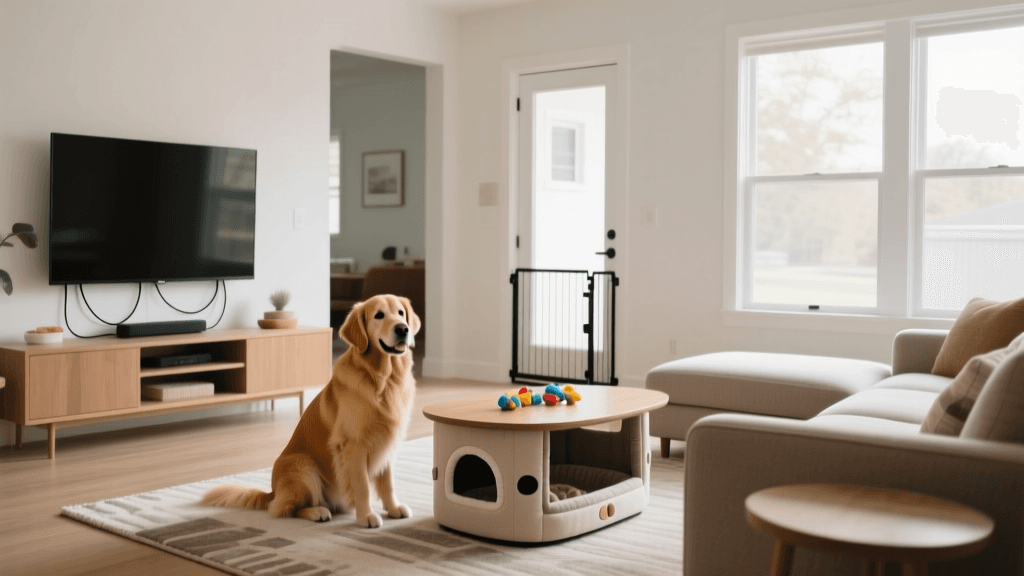
While crate training is valuable for many dogs, forcing a highly stressed rescue or a young puppy into a closed crate on day one can trigger panic. Instead, set up a sturdy metal or heavy-duty fabric playpen (often called an x-pen). Place their bed, water bowl, and a designated potty area (like a litter box or pee pad) inside. This provides a secure boundary without the feeling of confinement, allowing the dog to pace and settle naturally.
Enrichment Stations
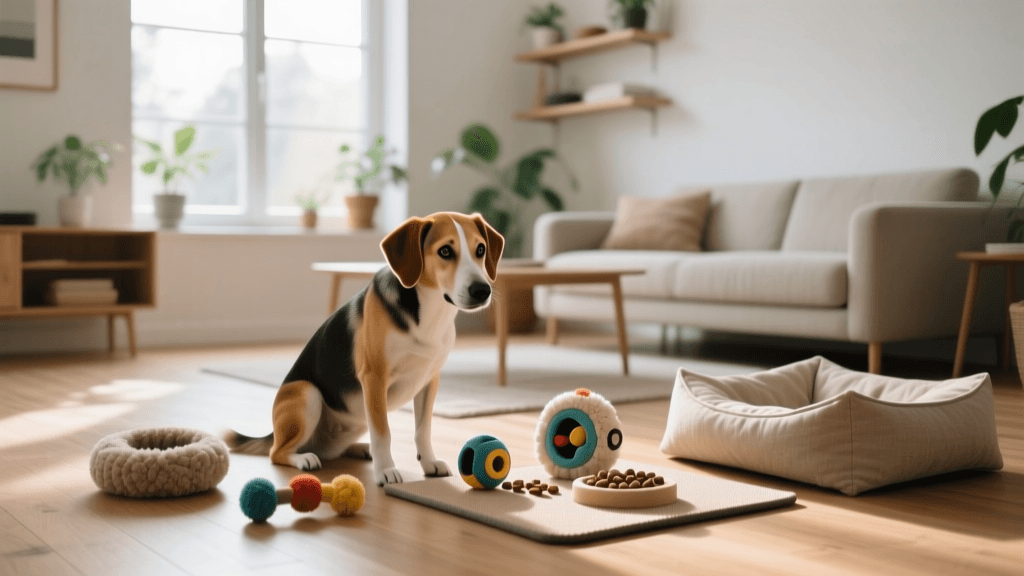
Scatter enrichment stations throughout the areas your dog will access. Hide kibble in snuffle mats or roll treats inside old towels. When a dog uses their nose to forage, it burns mental energy equivalent to a long physical walk. A tired, mentally stimulated dog is far less likely to engage in destructive chewing. If you need to protect specific furniture, use positive interrupters and redirect to a high-value chew, rather than relying on bitter sprays as a primary deterrent.
First-Day Positive Reinforcement Protocols
Your first interactions will set the tone for your relationship. Here are three force-free protocols to implement immediately upon bringing your dog home.
1. The Decompression Walk (Sniffari)
Skip the structured, heel-focused neighborhood walk on day one. Instead, attach your dog to a 15-foot biothane long line and a front-clip Y-harness. Take them to a quiet, grassy area and simply let them sniff. Sniffing lowers a dog's pulse rate and allows them to process the new scents of their environment. Follow their lead; if they want to spend five minutes sniffing a single bush, let them. This is their time to gather information and decompress.
2. Capturing Calmness
Pioneered by modern force-free trainers, 'capturing calmness' involves rewarding your dog for doing absolutely nothing. Keep a treat pouch on your hip. Whenever your dog voluntarily lies down, settles on their mat, or simply sits quietly without demanding attention, calmly drop a treat between their front paws. Do not use an excited marker word that will get them up; just quietly deliver the food. This teaches the dog that relaxation is highly rewarding.
3. Force-Free Potty Management
Accidents will happen, but force-free potty training relies on heavy reinforcement rather than punishment. Never rub a dog's nose in an accident or yell; this only teaches the dog to hide from you when they need to eliminate. Instead, take them to the designated potty spot on a leash. The moment they finish, throw a 'potty party'—offer high-value treats like boiled chicken or freeze-dried liver, and use a happy, encouraging voice. If an accident happens indoors, clean it silently with an enzymatic cleaner to remove the scent markers.
Choosing the Right Harness and Leash
The equipment you use to walk your dog communicates how you view them. In 2026, veterinary behaviorists and certified trainers universally condemn the use of aversive tools. Slip leads can cause tracheal collapse, and prong collars inflict pain that can easily be misattributed by the dog to their surroundings (like other dogs or children), leading to fear-based reactivity.
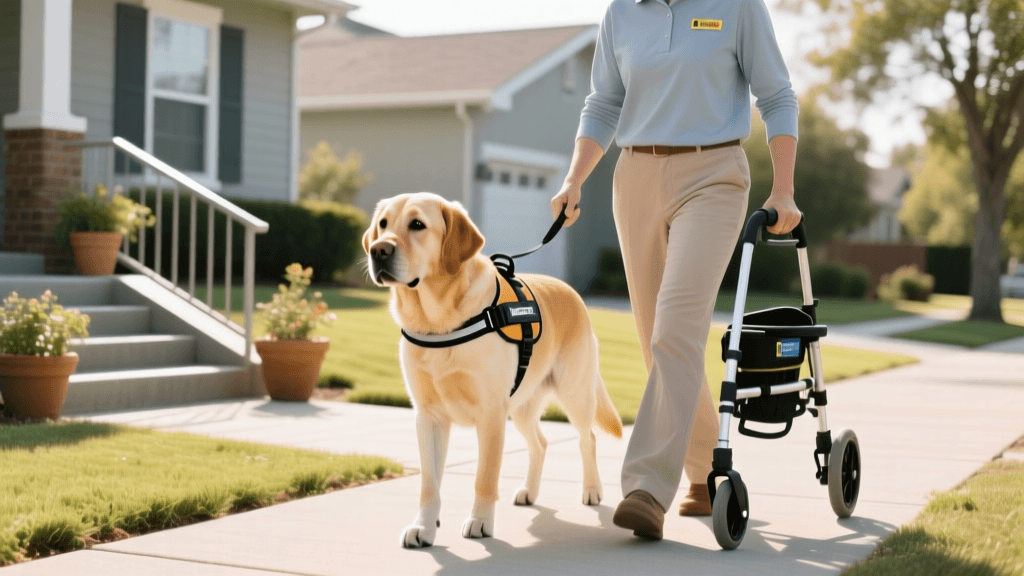
Opt for a well-fitted, Y-shaped harness that clears the dog's shoulder joints. A front-clip attachment point gently redirects the dog's momentum toward you if they pull, without causing pain or choking. Pair this with a standard 4-to-6-foot flat leash made of leather or biothane. Avoid retractable leashes, as they teach dogs that pulling extends the leash, and the thin cords can cause severe friction burns to both you and your pet.
Continuing Your Force-Free Journey
The first week is just the beginning of a lifelong partnership built on mutual respect and clear communication. As you settle into a routine, you may encounter challenges such as leash reactivity, resource guarding, or separation anxiety. When seeking professional help, it is crucial to vet your trainers carefully.
Look for certifications from reputable, science-based organizations. The Pet Professional Guild (PPG) maintains a directory of trainers who have signed a strict pledge to avoid force, fear, and pain. Additionally, seeking out a Fear Free Certified professional ensures that your dog's emotional experience is prioritized during veterinary visits, grooming sessions, and training classes.
By committing to positive reinforcement and force-free methods from the very first day, you are giving your new dog the greatest gift possible: a safe, predictable, and joyful environment where they can truly thrive. Welcome to the most rewarding journey of your life.
beth-carrasco
All our authors care for dogs every day — read more of their work on the authors page.