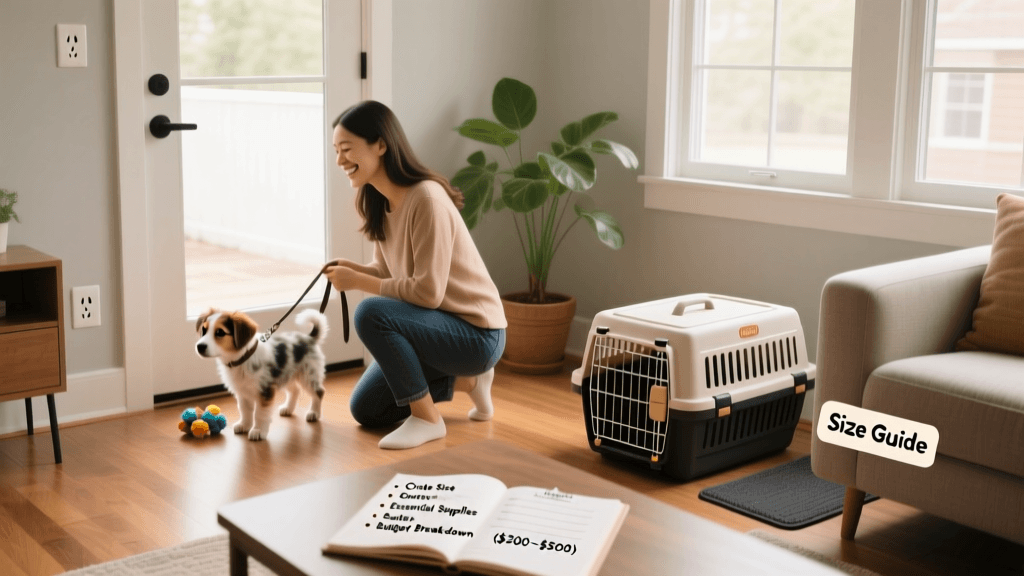
Budgeting for Your First Dog: Real Costs and Saving Tips
Discover realistic first-year dog costs and budget-friendly tips to prepare for your new pet without breaking the bank. Plan your puppy budget today!
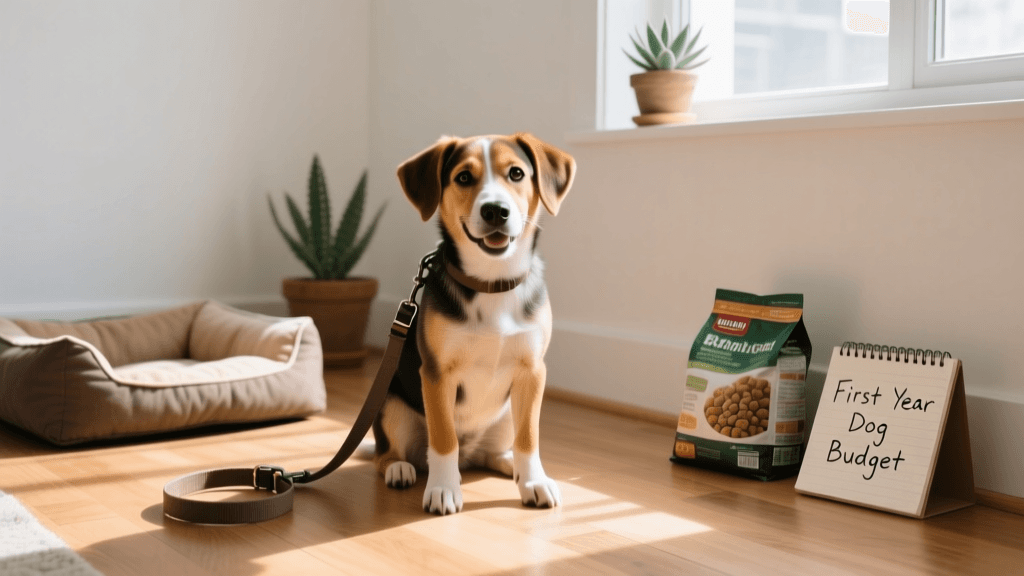
Introduction: The Financial Reality of Dog Ownership
Bringing a new dog into your life is an incredibly rewarding milestone, filled with wagging tails, unconditional love, and memorable adventures. However, amidst the excitement of breed selection and picking out cute accessories, many prospective owners overlook the significant financial commitment that accompanies dog ownership. According to Forbes Advisor, the first year of dog ownership is typically the most expensive, often catching new pet parents off guard. Understanding the true costs of getting a dog and learning how to implement budget-friendly dog care strategies is essential to ensuring you can provide a happy, healthy life for your new companion without compromising your own financial stability.
This comprehensive guide will break down the realistic costs of acquiring and caring for a dog during that crucial first year. We will explore the financial differences between adoption and buying from a breeder, outline essential expenses, and share actionable, money-saving tips that do not sacrifice your pet's health or happiness.
Adoption vs. Buying: The Initial Price Tag
The very first financial decision you will make is where to get your dog. The upfront cost varies wildly depending on whether you choose to adopt from a shelter or purchase from a reputable breeder. As highlighted by The Humane Society of the United States, adopting a pet from a shelter or rescue organization is not only a life-saving choice but also a highly budget-friendly option compared to purchasing a purebred puppy.
When you adopt, the adoption fee generally covers essential initial veterinary care, which would cost significantly more if paid out-of-pocket at a private clinic. Conversely, reputable breeders charge a premium for their time, genetic testing, and early socialization efforts, but you are usually responsible for all immediate veterinary visits post-purchase.
| Acquisition Method | Typical Upfront Cost | What is Usually Included |
|---|---|---|
| Shelter / Rescue Adoption | $50 - $350 | Spay/neuter, initial vaccinations, microchip, basic health exam, deworming. |
| Reputable Breeder | $1,500 - $4,000+ | First set of puppy shots, deworming, health guarantee, early socialization. |
| Pet Store / Backyard Breeder | $500 - $2,000 | Minimal veterinary care, high risk of hidden genetic or behavioral health issues. |
From a strict budgeting perspective, adoption offers the most immediate savings. However, if you have your heart set on a specific breed for lifestyle or allergy reasons, ensure you budget for the higher upfront cost and prioritize finding an ethical breeder to avoid exorbitant medical bills down the line.
Breakdown of First-Year Dog Expenses
Beyond the initial acquisition fee, the first twelve months involve a series of mandatory expenses. Puppies, in particular, require a rigorous schedule of vaccinations, spaying or neutering, and foundational training. Even adult dogs will need a baseline veterinary workup, new gear, and dietary adjustments. Below is a realistic estimate of first-year essentials for a medium-sized dog.
| Expense Category | Estimated First-Year Cost | Notes and Budget Tips |
|---|---|---|
| High-Quality Dog Food | $400 - $800 | Buy in bulk during sales. Avoid premium boutique brands if a standard AAFCO-approved brand meets your dog's needs. |
| Routine Veterinary Care | $300 - $700 | Includes annual exams, core vaccines, and flea/tick/heartworm preventatives. |
| Spay / Neuter Surgery | $200 - $500 | Often included in shelter adoption fees. Look for low-cost community clinics if buying. |
| Essential Gear (Leash, Collar, Bed, Crate) | $150 - $300 | Buy durable, mid-range gear. Second-hand crates and beds (with new covers) are great budget hacks. |
| Training and Socialization | $100 - $300 | Group classes are cheaper than private trainers. Utilize free YouTube resources for basic commands. |
| Toys and Enrichment | $50 - $150 | DIY toys from household items can drastically reduce this cost. |
When you tally these figures, the first-year cost of owning a dog typically ranges between $1,200 and $2,750, excluding the initial acquisition fee. Being aware of these numbers allows you to set up a dedicated pet savings account before your new dog even crosses the threshold of your home.
Budget-Friendly Dog Care: Where to Save
Saving money on dog care does not mean neglecting your pet. It simply means being a smart, strategic consumer. Here are several actionable ways to trim your dog-related expenses without compromising on quality.
1. Master the Art of DIY Enrichment
Dogs do not care about the price tag on their toys; they care about the engagement and mental stimulation the toy provides. Instead of spending $20 on a plastic puzzle feeder, you can create highly effective enrichment games at home. Scatter feeding in the yard, freezing low-sodium chicken broth in a silicone muffin tin, or braiding old, clean t-shirts into tug ropes are all virtually free alternatives to store-bought enrichment toys. These DIY methods satisfy a dog's natural foraging and chewing instincts while keeping your wallet full.
2. Strategic Bulk Buying and Subscription Services
Pet food and consumable treats are recurring expenses that can quietly drain your bank account. Once you have identified a high-quality, nutritionally complete dog food that agrees with your pet's stomach, look into bulk purchasing. Many online retailers and big-box pet stores offer a 5% to 10% discount when you enroll in an auto-ship subscription program. Furthermore, buying larger bags of kibble is almost always more cost-effective per pound than buying smaller bags, provided you store the food properly in an airtight container to maintain freshness.
3. Grooming at Home
Professional grooming can cost anywhere from $50 to $100+ per session, depending on your dog's size and coat type. While some breeds require professional haircuts, you can save significantly by handling basic maintenance at home. Invest in a good pair of dog nail clippers, a quality slicker brush, and a dog-safe shampoo. Learning to bathe and brush your dog at home, and trimming their nails every three to four weeks, can save you hundreds of dollars annually.
Where You Should Never Compromise
While budgeting is crucial, there are specific areas where cutting corners will inevitably lead to higher costs—and heartache—in the future.
Preventative Veterinary Care
The American Veterinary Medical Association (AVMA) strongly emphasizes the importance of preventative care. Skipping monthly heartworm, flea, and tick preventatives to save $15 a month is a dangerous gamble. Treating a heartworm infection can cost upwards of $1,000 and poses a severe risk to your dog's life. Similarly, ignoring dental hygiene can lead to periodontal disease, which requires expensive surgical extractions and can cause systemic organ damage. Daily tooth brushing and consistent parasite prevention are non-negotiable investments in your dog's longevity.
Quality Nutrition
Feeding your dog the absolute cheapest food on the shelf often results in poor digestion, skin allergies, and long-term health issues. You do not need to buy the most expensive grain-free boutique diet, but you should select a food that meets the nutritional standards established by the Association of American Feed Control Officials (AAFCO) and is backed by feeding trials. A well-nourished dog will have a stronger immune system, better coat health, and fewer veterinary visits over their lifetime.
Hidden Costs New Owners Overlook
Even the most meticulous budgets can be derailed by hidden costs that rarely appear on initial checklists. When planning your finances, be sure to account for the following:
- Pet Licensing: Most municipalities require annual dog licenses, typically ranging from $10 to $50. Failing to license your dog can result in hefty fines if they are ever picked up by animal control.
- Boarding and Pet Sitting: If you travel, you will need to pay for a kennel, a doggy daycare, or an in-home pet sitter. These costs can easily exceed $40 to $75 per night.
- Property Damage: Puppies chew baseboards, scratch doors, and have accidents on expensive rugs. Setting aside a 'puppy proofing' fund for enzymatic cleaners, bitter apple sprays, and minor home repairs is a wise move.
- Medication Refills: If your dog develops a chronic condition like allergies or hypothyroidism, monthly prescription costs can add up quickly.
Building Your Emergency Pet Fund
The most significant financial threat to a dog owner is a sudden medical emergency. An unexpected surgery for a swallowed foreign object or a severe injury can cost between $2,000 and $6,000. To protect yourself from having to make a heartbreaking financial decision regarding your pet's life, you must establish an emergency fund or invest in pet insurance.
If you opt for self-insuring, open a separate, high-yield savings account dedicated strictly to your pet. Set up an automatic monthly transfer of $50 to $100. Over time, this will build a safety net capable of covering urgent veterinary bills. Alternatively, comprehensive pet insurance can mitigate the risk of catastrophic expenses for a monthly premium, though you must carefully read the fine print regarding pre-existing conditions and deductibles.
Conclusion
Getting a dog is a profound commitment that extends far beyond the initial joy of bringing them home. By understanding the realistic costs of adoption versus buying, anticipating first-year expenses, and adopting smart, budget-friendly care routines, you can set yourself up for financial success. Remember that providing a loving, stable environment is the most valuable thing you can offer your new dog, and with careful planning, you can ensure that your finances never stand in the way of their health and happiness. Start your pet budget today, and welcome your new best friend home with confidence and peace of mind.
priya-sutaria
All our authors care for dogs every day — read more of their work on the authors page.