The Ultimate Room-by-Room Dog-Proofing Guide for New Owners
Discover how to dog-proof your home with our room-by-room guide. Learn essential safety tips, product recommendations, and cost breakdowns for new owners.

Welcoming Your Dog Home: Why Dog-Proofing is Non-Negotiable
Bringing a new dog or puppy into your home is an exhilarating milestone, but it also introduces a curious, four-legged toddler to an environment filled with hidden hazards. According to the ASPCA Animal Poison Control, tens of thousands of pets are exposed to toxic household substances every single year, ranging from human medications to common foods and cleaning supplies. Dog-proofing your home is not just about protecting your furniture from chew marks; it is a critical, life-saving measure that ensures your new companion thrives in a secure environment.
Whether you are adopting a rambunctious eight-week-old puppy or a stoic adult rescue, preparing your physical space is just as important as buying the right kibble. This comprehensive, room-by-room guide will walk you through the exact steps, product recommendations, and budget considerations required to transform your house into a safe haven for your new dog.
The Kitchen: Navigating the Most Dangerous Room
The kitchen is arguably the most hazardous room in the house for a dog. Between dropped food, accessible trash, and toxic ingredients, it requires strict management.
Securing the Trash and Food Prep Areas
Dogs are natural scavengers. An open or easily tipped trash can is an invitation to ingest cooked bones, which can splinter and cause fatal intestinal perforations, or toxic foods like grapes, raisins, and onions. Invest in a heavy-duty, lockable trash can. The Simplehuman 13-Gallon Step Trash Can with a secure latch (approximately $120) is a favorite among dog owners because its weighted base and locking lid prevent even large breeds from knocking it over.
The Xylitol Threat
Xylitol is an artificial sweetener found in sugar-free gum, mints, and some peanut butters. Even microscopic amounts can cause a rapid, life-threatening drop in blood sugar and acute liver failure in dogs. Always check the ingredient list on peanut butter before using it to stuff treat toys, and ensure all sugar-free products are stored in high, latched pantry cabinets rather than low drawers.
The Living Room: Cords, Plants, and Hidden Dangers
Your living room is where your dog will likely spend most of their indoor time, making it essential to eliminate chewing and choking hazards.
Electrical Cord Management
Chewing on live electrical cords can result in severe oral burns, electrocution, and pulmonary edema. Use cord concealers or protective sleeves to hide wires behind entertainment centers. The JOTO Cable Management Sleeves (around $15 for a multi-pack) are made of flexible, chew-resistant neoprene that bundles cords together and makes them far less appealing and much safer if mouthed.
Houseplant Toxicity
Many popular houseplants are highly toxic to dogs. The Sago Palm, for instance, is incredibly dangerous; ingestion of even a single seed can cause fatal liver failure. Other common toxic plants include Monstera deliciosa, Pothos, and Oleander. Cross-reference your indoor greenery with the Pet Poison Helpline database and relocate any toxic plants to high shelves or hanging planters completely out of your dog's reach.
The Bathroom and Bedroom: Medications and Personal Items
Bathrooms and bedrooms are often overlooked during the dog-proofing process, yet they contain severe choking and poisoning risks.
Bathroom Hazards
Never leave medications, vitamins, or supplements on bathroom counters. Dogs can easily chew through plastic pill bottles. Store all medications in high cabinets equipped with child-proof magnetic locks. Additionally, keep the toilet lid closed at all times. Dogs may drink from the toilet, exposing themselves to harsh chemical bowl cleaners or, worse, drowning if they fall in and cannot right themselves. Installing a simple toilet lid lock (about $12) is a cheap, effective safeguard.
Bedroom and Laundry Risks
Socks, underwear, and children's toys are prime targets for dogs. Swallowing fabric can lead to gastrointestinal blockages requiring emergency surgery, which can cost upwards of $3,000 to $5,000. Use lidded laundry hampers and enforce a strict policy of keeping shoes and clothing in closed closets. Be mindful of essential oil diffusers as well; oils like tea tree, eucalyptus, and citrus can cause respiratory distress and neurological issues when inhaled or ingested by dogs.
The Yard: Securing the Perimeter
If you have a fenced yard, do not assume it is automatically dog-proof. Walk the entire perimeter and look for gaps under the fence. A general rule of thumb is that if a 4-inch sphere can pass through a gap, a small to medium-sized dog can escape or get their head stuck. Fill gaps with paving stones or secure chicken wire buried a few inches into the soil to deter diggers. Furthermore, avoid using cocoa bean mulch in your garden beds; its sweet, chocolate-like aroma is highly attractive to dogs, but it contains theobromine, the same toxic compound found in chocolate.
Puppy vs. Adult Dog: Different Hazards, Different Solutions
The American Kennel Club emphasizes that while puppies and adult dogs share some risks, their physical abilities and behavioral drives necessitate different proofing strategies. Below is a comparison to help you tailor your approach.
| Area of Concern | Puppy (Under 1 Year) | Adult Dog (Over 1 Year) | Recommended Solution |
|---|---|---|---|
| Vertical Reach | Low to ground, but climbs on furniture. | Can reach counters and high tables. | Puppies need floor-level clearing; adults need counter-surfing deterrents and high shelves. |
| Chewing Drive | Intense teething phase; chews everything. | Usually outgrown, but stress/boredom chewing occurs. | Puppies need abundant teething toys; adults need mental stimulation and durable rubber toys. |
| Containment | Can slip through tiny fence gaps. | Can jump or dig under standard fences. | Puppies need gap-fillers; adults may need fence extenders or dig-proof concrete footers. |
| Staircases | Joint damage risk; poor coordination. | Generally safe, but senior dogs may slip. | Install hardware-mounted baby gates at the top and bottom of all stairwells. |
Essential Dog-Proofing Products & Estimated Budget
To help you plan your finances before your dog arrives, here is a structured breakdown of essential dog-proofing products and their average costs.
- Hardware-Mounted Baby Gates: $40 - $70 each. (Avoid pressure-mounted gates for the top of stairs, as large dogs can push them over. The Regalo Easy Step Walk Thru Gate is a reliable, budget-friendly option for flat doorways).
- Cabinet Latches and Locks: $15 - $25 for a multi-pack. Magnetic locks are invisible from the outside and highly secure against clever paws.
- Bitter Apple Spray: $10 - $15. Grannick's Bitter Apple Spray is a safe, non-toxic deterrent you can apply to baseboards and furniture legs to discourage chewing.
- Cord Protectors and Sleeves: $15 - $25. Essential for protecting both your electronics and your dog's life.
- Lidded Trash Cans: $80 - $150. A worthy investment to prevent dietary indiscretion and emergency vet visits.
- Total Estimated Dog-Proofing Budget: $160 - $335, depending on the size of your home and the number of gates required.
Creating a Safe Decompression Zone
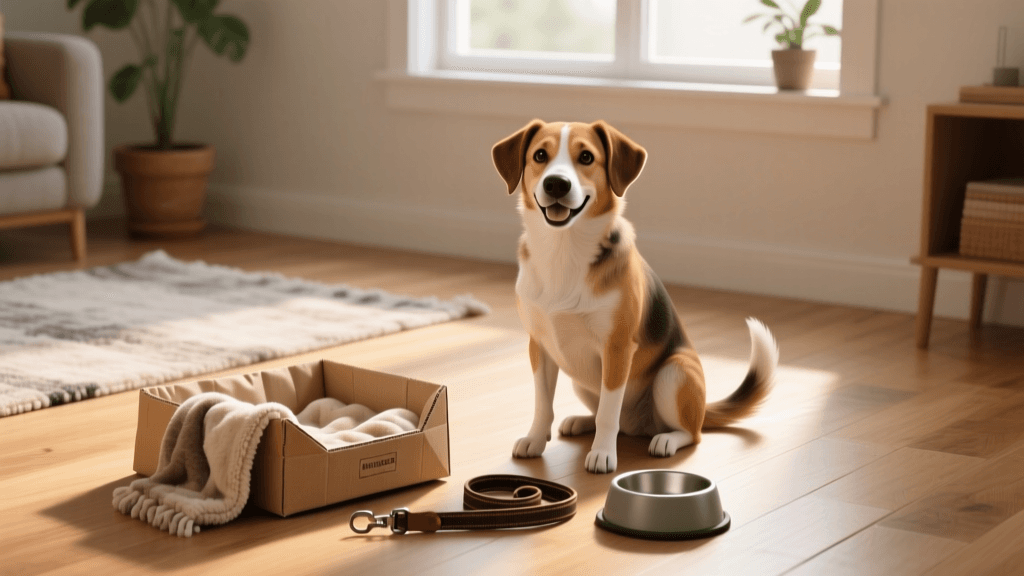
Beyond removing hazards, dog-proofing also means creating a designated safe space where your dog can retreat when overwhelmed. This is typically a crate. A crate should be large enough for the dog to stand up, turn around, and lie down comfortably, but not so large that they can eliminate in one corner and sleep in the other. For medium-to-large breeds like Labrador Retrievers, a 42-inch crate (such as the MidWest Homes for Pets iCrate, approximately $70) is standard.
Place the crate in a quiet, low-traffic area of the living room or bedroom. Outfit it with a washable bed, a safe chew toy like a classic KONG stuffed with frozen peanut butter, and a piece of clothing that smells like you. This decompression zone acts as your dog's bedroom and sanctuary, preventing them from wandering into un-proofed areas of the house when you are not actively supervising them.
Final Thoughts on Home Preparation
Dog-proofing is an ongoing process rather than a one-time checklist. As your dog grows, their reach, strength, and intelligence will change, requiring you to adapt your home environment accordingly. By taking the time to meticulously prepare your kitchen, living spaces, and yard before your dog's first day home, you are laying the foundation for a stress-free transition and a long, healthy life together. Remember, a safe dog is a happy dog, and a secure home provides the ultimate peace of mind for any new pet parent.
robin-maitland
All our authors care for dogs every day — read more of their work on the authors page.