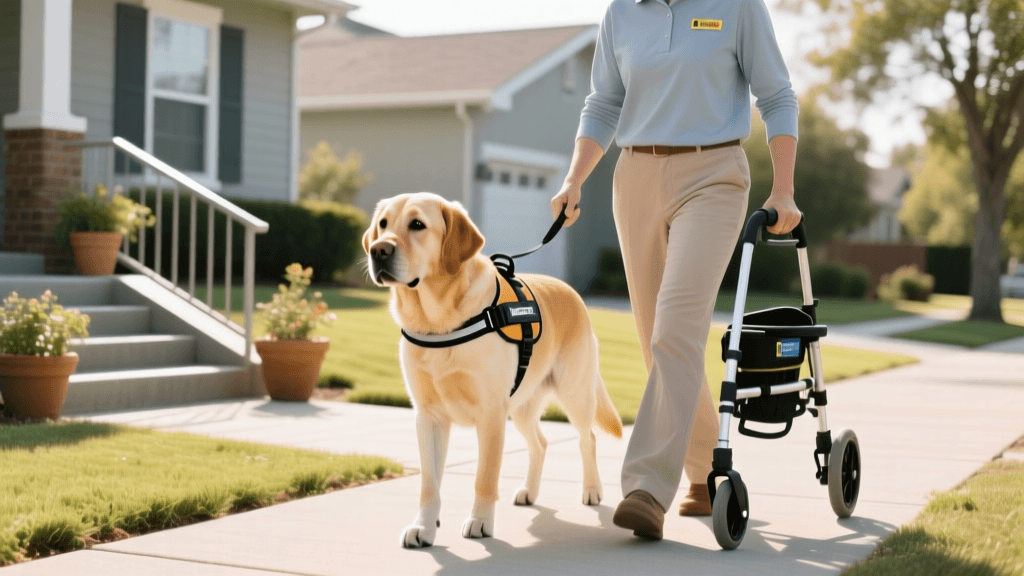
Choosing a Mobility Service Dog: 2026 Breed Guide & Home Prep
Discover the best breeds for mobility service dogs in 2026, ADA guidelines, home preparation tips, and essential gear for your new working companion.
The Life-Changing Role of Mobility Service Dogs
For individuals with physical disabilities, a mobility service dog is not just a pet; it is a vital partner that fosters independence, safety, and confidence. As we move through 2026, advancements in canine genetics, specialized training methodologies, and adaptive home technologies have significantly improved the success rates of mobility assistance partnerships. Whether you are looking for a dog to help with balance, retrieve dropped items, or pull a lightweight wheelchair, selecting the right breed and preparing your environment are critical first steps.
Getting a working dog requires a shift in mindset. You are not just adopting a companion; you are welcoming a highly trained professional into your home. This comprehensive guide will walk you through the best breeds for mobility work in 2026, current ADA regulations, home preparation strategies, and the essential gear you need for day one.
Top Breeds for Mobility Assistance in 2026
Not every dog is cut out for mobility work. The physical demands of bracing, pulling, and balancing require specific structural traits, including a sturdy build, strong joints, and a calm, biddable temperament. In 2026, accredited training organizations continue to rely on a select group of breeds that consistently excel in these tasks.
| Breed | Ideal Weight for Bracing | Joint Health Profile | 2026 Avg. Training Waitlist |
|---|---|---|---|
| Labrador Retriever | 65 - 80 lbs | Excellent (with OFA screening) | 18 - 24 Months |
| Golden Retriever | 60 - 75 lbs | Very Good | 20 - 28 Months |
| German Shepherd | 70 - 90 lbs | Good (requires strict lineage tracking) | 14 - 20 Months |
| Bernese Mountain Dog | 80 - 110 lbs | Fair (higher dysplasia risk, shorter lifespan) | 24 - 36 Months |
| Standard Poodle | 50 - 70 lbs | Excellent (hypoallergenic option) | 18 - 24 Months |
Labrador and Golden Retrievers remain the gold standard for mobility work due to their eagerness to please, high pain tolerance, and structural soundness. German Shepherds are increasingly utilized for their intelligence and protective instincts, though they require extensive socialization. For handlers who require heavy bracing or wheelchair pulling, the Bernese Mountain Dog offers the necessary mass, though handlers must be prepared for a shorter working lifespan. Finally, the Standard Poodle has surged in popularity by 2026 for handlers with allergies, offering a brilliant mind and a surprisingly sturdy frame for light-to-medium mobility tasks.
Navigating ADA Guidelines and Public Access
Understanding your legal rights is a fundamental part of getting a service dog. Under the Americans with Disabilities Act (ADA), a service animal is defined strictly as a dog that is individually trained to do work or perform tasks for a person with a disability. Emotional support animals, therapy dogs, and companion animals do not qualify as service animals under federal law.
According to the U.S. Department of Justice ADA guidelines, businesses and state/local governments must generally allow service animals to accompany people with disabilities in all areas where the public is allowed. Staff members are only permitted to ask two specific questions: (1) Is the dog a service animal required because of a disability? and (2) What work or task has the dog been trained to perform? They cannot demand medical documentation, require a special identification card, or ask for a demonstration of the task.
As of 2026, there is no federally recognized 'service dog registry' or mandatory certification badge. Any website selling 'official ADA registration' is a scam. Your dog's legitimacy is rooted entirely in its specialized training and your qualifying disability.
Preparing Your Home for a Large Working Dog
Before your mobility dog arrives, your home must be optimized for both the dog's safety and your accessibility. A 75-pound Labrador wearing a mobility harness needs ample space to maneuver, especially if you use a wheelchair, walker, or crutches.
Flooring and Traction
Slippery floors are the enemy of working dogs. Hardwood and polished tile can lead to micro-tears in a dog's cruciate ligaments and accelerate hip dysplasia. In 2026, the recommended standard for service dog homes is textured Luxury Vinyl Plank (LVP) or slip-resistant ceramic tile. If replacing floors is not an option, invest in high-quality, low-pile, non-slip area rugs that can withstand heavy paw traffic and occasional accidents.
Spatial Awareness and Smart Tech
Ensure your hallways and doorways have a clear turning radius. A standard wheelchair requires a 60-inch turning circle, and your dog needs space to walk beside you without being clipped by wheels. Furthermore, integrate your home with the latest 2026 Matter-compatible smart home ecosystems. Voice-activated smart locks, automated door openers, and smart lighting can be triggered not just by your voice, but eventually by specialized canine-worn IoT tags, allowing your dog to trigger door sensors when you are unable to reach them.
Dedicated Rest Zones
Your dog needs an orthopedic sanctuary. Invest in a high-density memory foam bed placed in a draft-free corner of your primary living space. The bed should be large enough for the dog to stretch out fully without hanging off the edges, promoting joint recovery after a long day of bracing and pulling.
Building a Veterinary Partnership
Working dogs endure physical stress that typical companion pets do not. Establishing a relationship with a veterinarian who understands the unique biomechanical demands placed on mobility dogs is crucial. In 2026, many specialized veterinary clinics offer 'working dog wellness plans' that include bi-annual orthopedic evaluations, aquatic therapy sessions, and advanced imaging to catch early signs of joint degradation. Ensure your vet is familiar with the specific harness your dog uses, as improper fit can lead to asymmetric muscle development and long-term spinal issues. Regular chiropractic adjustments and canine massage therapy are also highly recommended to keep your canine partner in peak physical condition.
Financial Realities and Training Waitlists
Acquiring a fully trained mobility service dog is a significant financial and temporal investment. As of 2026, the cost to breed, raise, and professionally train a mobility dog ranges from $35,000 to $55,000. This figure covers veterinary care, specialized nutrition, public access socialization, and hundreds of hours of task-specific training.
Because the demand vastly outpaces the supply of qualified puppies and trainers, waitlists are a reality. According to Assistance Dogs International (ADI), the average wait time for a mobility dog from an accredited nonprofit program is currently 18 to 36 months. Many handlers choose to apply to multiple ADI-accredited organizations simultaneously or explore owner-training routes with the help of a certified professional dog trainer (CPDT-KA), though the latter requires a massive commitment of time and expertise.
First-Day Essentials and Specialized Gear
When your mobility dog finally comes home, having the right equipment is non-negotiable. Standard pet store gear will not withstand the mechanical stress of mobility work.
- Mobility Harness: You will need a custom-fitted brace and mobility support harness. Brands like Custom Dog Gear or Doggie Styles offer reinforced leather and Cordura nylon harnesses with rigid handles for bracing and specialized D-rings for pulling. Never use a standard back-clip harness for mobility tasks, as it can cause severe spinal injury to the dog.
- Joint Supplements: Preventative care is paramount. Start your dog on a high-quality joint supplement like Dasuquin Advanced or GlycoFlex III, which contain glucosamine, chondroitin, and MSM to protect cartilage from the wear and tear of bracing.
- Paw Protection: Working dogs encounter hot asphalt, icy sidewalks, and rough terrain. Keep a supply of Musher's Secret paw wax and a set of Ruffwear Grip Trex boots for extreme weather conditions.
- Cooling Gear: With summer temperatures continuing to rise in 2026, a cooling vest (like the Ruffwear Swamp Cooler) is essential to prevent heatstroke while your dog is working in public spaces.
As noted by the American Kennel Club (AKC), the bond between a handler and a service dog is built on mutual trust and rigorous care. By selecting the right breed, fortifying your home, and investing in premium working gear, you ensure your mobility dog can perform its life-changing duties safely for years to come.
beth-carrasco
All our authors care for dogs every day — read more of their work on the authors page.