Managing Food Allergies During Positive Reinforcement Training
Learn how to manage canine food allergies during positive reinforcement training with novel proteins, safe treat recipes, and expert nutrition tips.
The Intersection of Nutrition and Positive Reinforcement
Positive reinforcement training is widely considered the gold standard for canine behavioral conditioning, obedience, and trick teaching. At its core, this methodology relies heavily on high-value food rewards to mark desired behaviors, build neural pathways, and maintain a dog's focus in high-distraction environments. However, a significant hurdle arises when a dog suffers from canine adverse food reactions (CAFR), commonly known as food allergies. When a dog's immune system overreacts to specific dietary proteins, the resulting physical discomfort can completely derail the training process.
A dog experiencing pruritus (severe itching), gastrointestinal inflammation, or chronic ear infections is fundamentally incapable of optimal learning. The neurobiological stress response triggered by allergic inflammation elevates cortisol levels, making the dog reactive, easily distracted, and unable to process new commands. To achieve reliable obedience and behavioral conditioning, trainers and owners must deeply understand canine nutrition and implement strict dietary management strategies that fuel the brain without triggering an immune response.
Identifying Canine Food Allergies vs. Intolerances
Before adjusting your training treat protocol, it is vital to distinguish between a true food allergy and a food intolerance. According to the VCA Animal Hospitals, true food allergies involve an immunological response to a specific protein molecule, leading to dermatological signs like paw licking, facial rubbing, and recurrent otitis externa. In contrast, food intolerances typically manifest as gastrointestinal upset, such as diarrhea or vomiting, without an immune-mediated histamine release.
Both conditions severely impact training. A dog with a sensitive stomach will refuse high-value treats or experience associative aversion if a specific treat makes them feel nauseous. A dog with dermatological allergies will break a 'stay' command to scratch or bite at their flanks. The Tufts University Cummings Veterinary Medical Center emphasizes that the most common food allergens in dogs are the proteins most frequently found in commercial dog foods and standard training treats: beef, dairy, chicken, and wheat. Because standard training treats are often chicken or liver-based, allergic dogs are frequently exposed to their triggers dozens of times per training session.
Selecting Novel Proteins for Training Treats
To safely utilize food rewards, you must transition to a 'novel protein'—a protein source the dog has never been exposed to, thereby eliminating the pre-existing antibody response. When selecting novel proteins for high-repetition obedience training, you must balance palatability, cost, and cross-reactivity risks. Below is a comparison chart of common novel proteins used in hypoallergenic training diets.
| Novel Protein Source | Average Cost (per lb) | Palatability Score | Cross-Reactivity Risk | Best Training Application |
|---|---|---|---|---|
| Rabbit | $18 - $25 | High | Low | Agility and high-speed recall |
| Venison (Deer) | $22 - $30 | Very High | Moderate (if beef allergy) | High-distraction outdoor obedience |
| Kangaroo | $28 - $40 | Moderate | Extremely Low | Strict elimination diet phases |
| Alligator | $35 - $50 | Low to Moderate | Extremely Low | Novelty exposure and scent work |
| Hydrolyzed Salmon | $15 - $20 | High | None (molecularly broken down) | Puppy socialization and basic manners |
As noted by the American Kennel Club (AKC), cross-reactivity can occur between closely related species. For instance, a dog highly allergic to beef may react to venison or bison due to similar protein structures. Therefore, rabbit, kangaroo, or hydrolyzed proteins remain the safest starting points for dogs with severe, unverified allergies.
Practical Treat Preparation and Portion Control
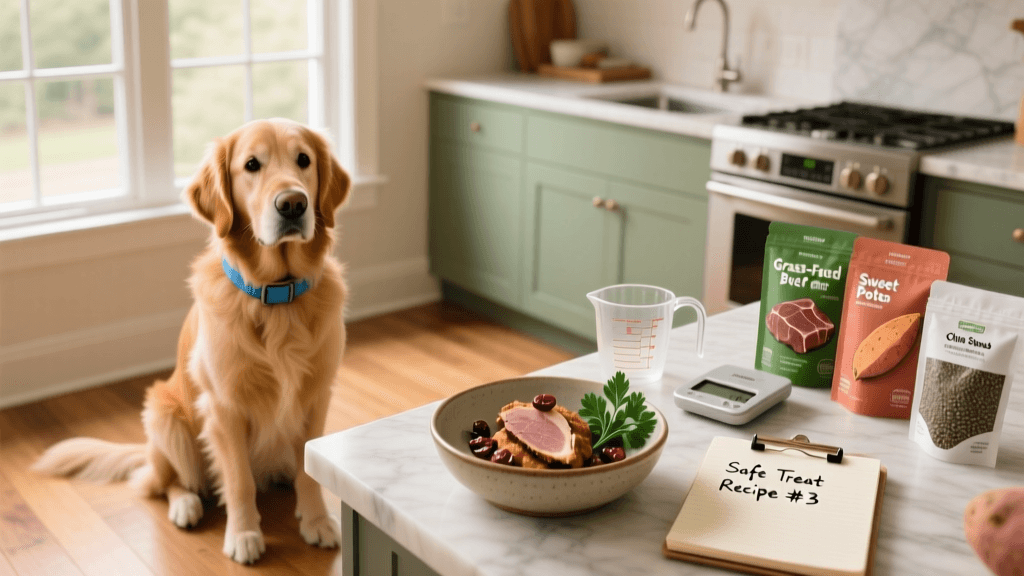
When training an allergic dog, commercial 'limited ingredient' treats are often risky due to cross-contamination in manufacturing facilities. Shared processing equipment can leave trace amounts of chicken or beef fat on supposedly hypoallergenic treats. The safest approach is preparing homemade training rewards using single-ingredient novel proteins.
Dehydrated Novel Protein Bites
- Ingredients: 1 lb of raw rabbit loin or kangaroo steak (approx. $25).
- Preparation: Slice the meat into 1/4-inch thick strips. Use kitchen shears to cut the strips into pea-sized cubes (approximately 1/4 inch by 1/4 inch).
- Dehydration: Place on dehydrator trays at 155°F (68°C) for 6 to 8 hours until completely brittle. Moisture left in the treat can cause bacterial growth and GI upset, which mimics allergy symptoms.
- Storage: Store in an airtight glass mason jar in the refrigerator for up to 3 weeks, or freeze for up to 6 months.
Portion control is critical. Training sessions require high repetition, meaning a dog might consume 30 to 50 treats in a single 15-minute session. A pea-sized piece of dehydrated rabbit contains roughly 2 to 3 calories. If your dog requires 500 calories a day, 50 treats equal 150 calories—nearly 30% of their daily intake. To prevent obesity, which exacerbates joint stress during agility training, you must adhere to the '10% Rule': treats should never exceed 10% of the dog's total daily caloric intake. Deduct the exact caloric value of your training treats from the dog's evening kibble or raw meal allowance.
Managing Cross-Contamination in Training Environments
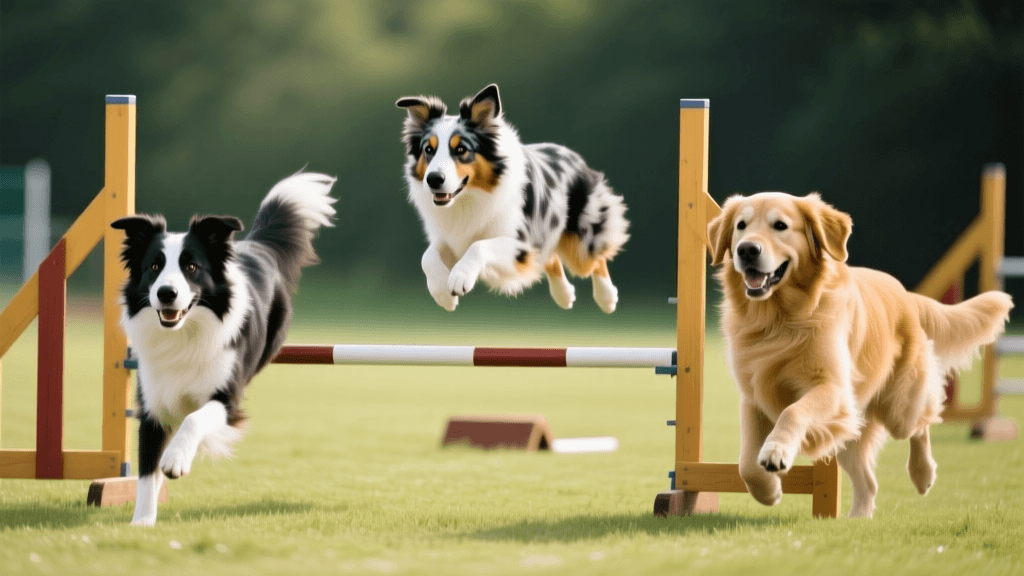
Group obedience classes and dog sports present unique nutritional hazards for the allergic dog. In a group setting, handlers frequently drop treats, and dogs may scavenge the floor. If a dog with a severe chicken allergy ingests a dropped commercial chicken biscuit, the resulting histamine spike can cause immediate lethargy, hives, and a complete inability to focus for the next 48 hours.
Safe Practices for Group Training Classes:
- Communicate with the Instructor: Inform the trainer of your dog's specific allergies before the first class. Request that other handlers maintain a 6-foot buffer zone during floor-work exercises.
- Use a Muzzle for Scavengers: If your dog is a notorious floor-sweeper, condition them to wear a basket muzzle during group classes. This allows them to pant and drink water while preventing the ingestion of dropped allergens.
- Sanitize Your Hands: If you handle multiple dogs, or if you pet other dogs in class, wash your hands with hypoallergenic soap before handling your allergic dog's treat pouch. Trace proteins on human skin can trigger localized contact dermatitis on a dog's muzzle.
- Bring a Dedicated Mat: Teach your dog a 'place' command on a specific, washable training mat. This creates a physical barrier between your dog and the allergen-covered facility floor.
Transitioning to an Elimination Diet Without Losing Momentum
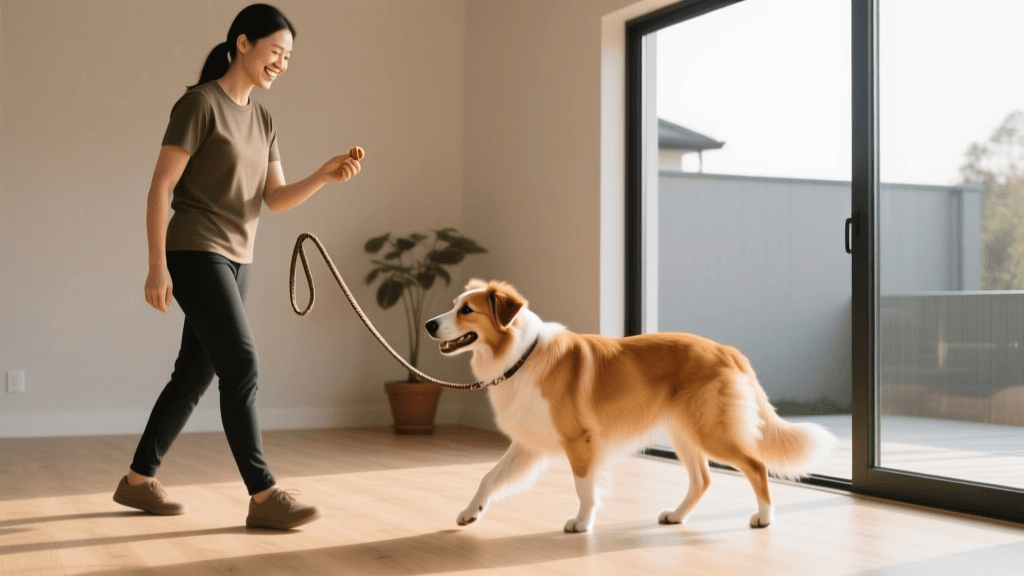
Veterinarians often prescribe a strict 8-to-12-week elimination diet to diagnose food allergies. During this period, absolutely no outside proteins, flavored medications, or traditional treats can be introduced. Many owners mistakenly believe they must pause training during this phase. On the contrary, you can maintain high-level behavioral conditioning by utilizing the prescribed elimination diet itself as the reward.
If your vet prescribes a hydrolyzed protein kibble or a canned novel protein diet, measure out the dog's daily food allowance each morning. Set aside 20% of this allowance in a dedicated training pouch. For wet food diets, you can use a reusable silicone food tube (like a Kong Easy Treat syringe) to deliver micro-licks of the canned diet as a reward for sustained focus or duration-based commands like 'stay' or 'settle'. For dry kibble, use it for rapid-fire marking in low-distraction environments. By aligning your nutritional management with your behavioral conditioning schedule, you ensure that your dog's physical health and mental acuity are optimized simultaneously, leading to a happier, healthier, and more obedient companion.
'Successful dog training is not just about the mechanics of the marker and the reward; it is about ensuring the dog's physiological baseline is primed for learning. You cannot train a dog whose body is fighting its own dinner.' — Canine Behavioral Nutrition Principles
aaron-whyte
All our authors care for dogs every day — read more of their work on the authors page.