Flying With Dogs: Your Top Google Questions Answered
Planning to fly with your dog? We answer Google's most-asked questions about cabin rules, cargo safety, airline costs, and carrier size limits.
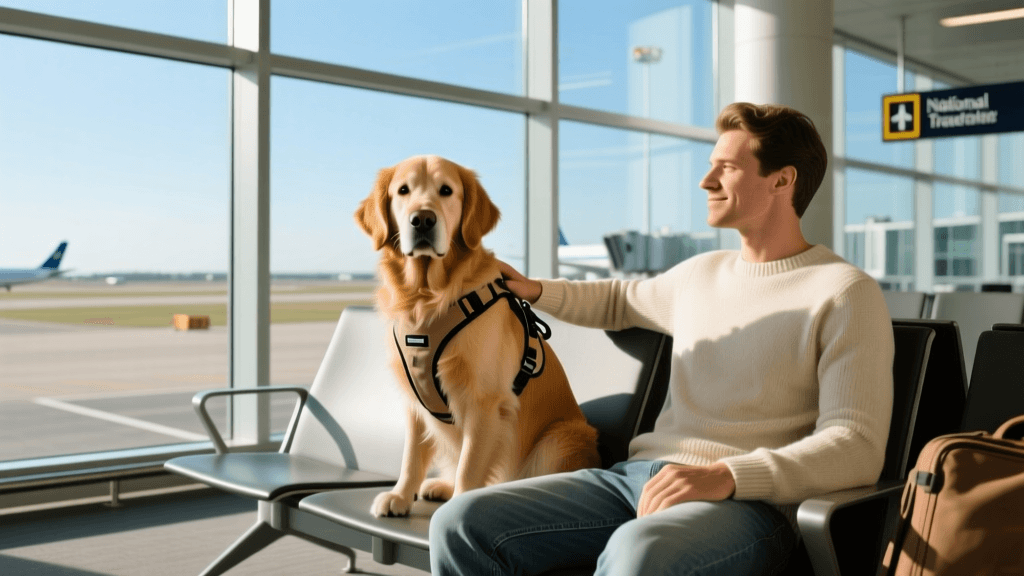
Every month, thousands of pet parents turn to Google in a panic, typing questions like 'Can my 25-pound dog fly in the cabin?' or 'Is cargo safe for dogs?' Navigating the skies with a four-legged companion is one of the most stressful aspects of modern pet ownership, primarily because airline policies are notoriously fragmented and constantly changing. At Paws-Tales, we have analyzed Google's most-asked questions about flying with dogs to bring you a definitive, data-backed survival guide. Whether you are taking a cross-country trip or jetting off internationally, here are the exact answers, measurements, and costs you need to know.
1. Can My Dog Fly in the Cabin With Me?
The most common search query is about cabin eligibility. The short answer is: yes, but only if your dog meets strict size and weight requirements. Most major domestic airlines require that the dog and carrier combined weigh no more than 20 pounds, though some international carriers cap it at 17 pounds.
Your dog must be able to stand up, turn around, and lie down comfortably in an airline-approved soft-sided carrier that fits completely under the seat in front of you. While under-seat dimensions vary by aircraft, the generally accepted maximum dimensions for soft-sided carriers are 18 x 11 x 11 inches.
Top-Rated Cabin Carriers
- Sherpa Original Deluxe (Medium): 18 x 11 x 10.5 inches. Features a spring wire frame that pushes down to fit tight spaces. Cost: ~$70.
- SturdiBag Pro 2.0: 18 x 12 x 12 inches. Known for its flexible, crush-down memory foam top. Cost: ~$120.
Pro Tip: Never take your dog out of the carrier while in the terminal or on the plane. TSA requires you to take the dog OUT of the carrier to pass through the human metal detector, but once past security, they must remain zipped inside.
2. How Much Does It Cost to Fly a Dog?
Google's second most-asked question revolves around budget. Pet fees are not included in your standard ticket and must be paid separately, usually at the check-in counter or via the airline's app prior to arrival. Fees are typically charged each way.
| Airline | Cabin Pet Fee (One-Way) | Max Pets in Cabin | Booking Requirement |
|---|---|---|---|
| Delta Air Lines | $125 - $200 (varies by route) | 2 per cabin (1 per passenger) | Must call to reserve; limited spots |
| United Airlines | $125 + $125 layover fee (if >4 hrs) | Varies by aircraft | Book via app or agent at time of ticketing |
| American Airlines | $125 | 7 per cabin | Call reservations or manage online |
| Southwest Airlines | $125 | 6 per flight | Call or add at airport ticket counter |
| JetBlue | $125 | 6 per flight | Book online or call; earn TrueBlue points |
Note: Budget airlines like Spirit and Frontier also allow cabin pets for roughly $99-$125 each way, but they strictly enforce carrier sizing at the gate with metal sizers. If your bag does not fit, your dog will be denied boarding.
3. Is It Safe for Dogs to Fly in Cargo?
When dogs exceed the 20-pound cabin limit, they must travel as cargo (often labeled as 'manifest cargo' or 'checked pets,' though many airlines have suspended standard checked-pet programs post-pandemic). According to the American Veterinary Medical Association (AVMA), flying in cargo carries inherent risks, primarily related to temperature extremes, stress, and improper crate ventilation.
Temperature Embargoes
Airlines enforce strict temperature embargoes to protect cargo pets. If the tarmac temperature is below 20°F (-6°C) or above 85°F (29°C) at any point on your itinerary (departure, layover, or arrival), your dog will be denied boarding. Summer and winter travel often require booking red-eye flights or routing through northern hubs to avoid heat embargoes.
The Brachycephalic Ban
Short-nosed (brachycephalic) breeds like French Bulldogs, Pugs, and Boston Terriers are universally banned from flying in cargo by almost all major commercial airlines. Their compromised airways make them highly susceptible to respiratory distress under the stress and pressure changes of flight. If you own a snub-nosed breed, you must use a specialized, climate-controlled ground transport service or a private pet flight charter.
IATA-Compliant Hard Crates
If your dog is cleared for cargo, soft-sided carriers are strictly prohibited. You must purchase an IATA (International Air Transport Association) compliant hard plastic kennel, such as the Petmate Sky Kennel ($80-$150 depending on size). The crate must have:
- Metal bolts and nuts (plastic zip-ties or clips are rejected).
- Two attached, spill-proof water bowls.
- 'Live Animal' stickers and directional arrows on all sides.
- Bedding made of absorbent material (no straw or loose blankets).
4. What Documents Do I Need to Fly With a Dog?
Bureaucracy is the bane of pet travel. For domestic US flights, requirements are relatively lax, but international and state-specific travel (like Hawaii) demand rigorous paperwork.
Domestic Travel (Continental US)
- Rabies Certificate: A physical tag and paper certificate proving an up-to-date rabies vaccination.
- Certificate of Veterinary Inspection (CVI): Also known as a health certificate. While not all domestic airlines demand this, it is highly recommended and legally required when crossing certain state lines. It must be issued by a USDA-accredited veterinarian within 10 days of travel.
International Travel & CDC Regulations
International travel requires navigating the USDA APHIS Pet Travel portal. Furthermore, if you are traveling outside the US and returning, you must comply with the CDC's Dog Importation Regulations. As of August 2024, the CDC requires all dogs entering the US to be at least 6 months old, microchipped with an ISO-compliant 15-digit chip, and possess a valid CDC Dog Import Form receipt. Dogs arriving from high-risk rabies countries face mandatory quarantine and additional titer testing.
5. How Do I Prepare My Dog for the Flight Day?
Preparation begins weeks before your departure date. Here is a timeline to ensure a smooth journey.
4 Weeks Out: Carrier Acclimation
Leave the carrier open in your living room. Feed your dog their meals inside it and offer high-value treats (like frozen Kongs) to build positive associations. For cargo dogs, practice short car rides in their secured hard crate to simulate motion and vibration.
1 Week Out: Potty Training for Travel
Teach your dog to use a specific command for eliminating, and introduce them to artificial grass pads or heavy-duty puppy pads. Airport pet relief areas are often crowded, noisy, and covered in unfamiliar scents, which can cause dogs to 'hold it' for hours.
Flight Day: Feeding and Medication
The AVMA and most airlines recommend withholding solid food for 4 to 6 hours prior to departure to prevent motion sickness and in-crate accidents. Water should be offered in small, frequent sips up until security.
A Note on Sedation: Never sedate your dog for air travel. The AVMA explicitly warns against tranquilizers, as they depress the cardiovascular and respiratory systems, making it dangerous for dogs to adjust to altitude and temperature changes. Instead, consult your vet about natural calming supplements like Zylkene or L-theanine chews, or prescription anti-anxiety medications like Trazodone that do not impair motor or respiratory function.
Final Boarding Call
Flying with a dog requires meticulous planning, a flexible budget, and a deep understanding of airline logistics. By answering Google's most-asked questions, we hope to replace your travel anxiety with confidence. Always call your airline's dedicated pet desk immediately after booking your own ticket to secure your dog's spot, as cabin limits are strictly enforced on a first-come, first-served basis. Safe travels to you and your furry co-pilot!
priya-sutaria
All our authors care for dogs every day — read more of their work on the authors page.