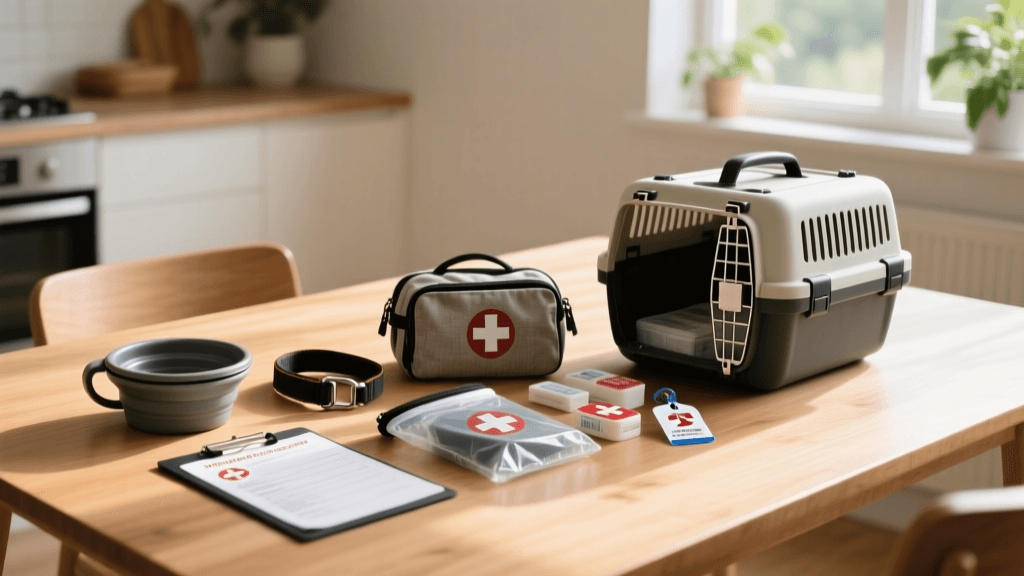
Dog Disaster Evacuation: Build Your Pet Emergency Go-Bag
Learn how to build a comprehensive dog disaster evacuation go-bag. Get a checklist, gear recommendations, and safety tips to protect your pet in emergencies.
The Reality of Natural Disasters and Pets
When a hurricane, wildfire, or flash flood threatens your area, panic can easily override logic. For dog owners, the stakes are exponentially higher. According to the Federal Emergency Management Agency (FEMA), a staggering number of pet owners refuse to evacuate if it means leaving their animals behind, putting both human and canine lives at severe risk. Preparing a dedicated dog disaster evacuation go-bag and establishing a clear protocol is not just a precaution; it is a critical component of responsible pet ownership. In this guide, we will break down the exact gear, measurements, and timelines you need to ensure your dog survives and thrives through an emergency evacuation.
Building the Ultimate Dog Evacuation Go-Bag
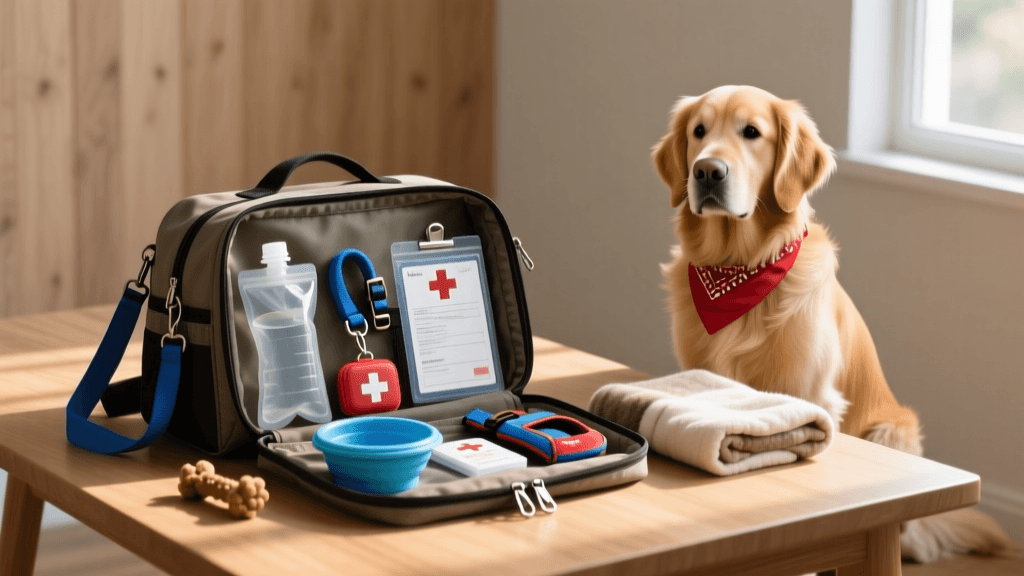
Your dog’s go-bag should be a dedicated, waterproof backpack or duffel stored near your primary exit. It must contain enough supplies to sustain your dog for a minimum of five to seven days, as emergency shelters often run out of pet-specific resources quickly. Water is heavy, so consider packing a portable water filter like the LifeStraw or MSR TrailShot alongside a smaller water supply, allowing you to safely purify water from natural sources if your bottled supply runs out. Below is a comprehensive breakdown of what to pack, including estimated costs and maintenance schedules.
| Item Category | Specifics & Purpose | Est. Cost | Rotation Schedule |
|---|---|---|---|
| Hydration | 1 oz of water per lb of body weight daily. Pack collapsible silicone bowls. | $15 - $25 | Every 6 months |
| Nutrition | Dry kibble in airtight bags or canned food with pop-tops. Include a manual can opener. | $30 - $50 | Every 3-6 months |
| Restraint | Heavy-duty nylon leash (6 ft) and a front-clip harness. No retractable leashes. | $40 - $70 | Replace if frayed |
| Sanitation | Poop bags, enzymatic cleaner, and puppy pads for indoor shelter use. | $20 - $30 | As needed |
| Medical | 30-day supply of preventatives, antihistamines, and canine first-aid kit. | $50 - $100 | Check expiry monthly |
| Comfort | Familiar blanket, a durable chew toy, and an article of your worn clothing. | $15 - $25 | Wash blanket monthly |
Essential Gear Upgrades for Emergency Transit
Standard walking gear is insufficient for the chaos of a natural disaster. When adrenaline spikes, dogs are prone to slipping collars or snapping standard leashes. Upgrade your transit gear to ensure maximum security.
- Crash-Tested Harnesses: If you are evacuating by vehicle, a standard seatbelt tether will not protect your dog in a collision. Invest in a crash-tested harness like the Sleepypod Clickit Sport or the Kurgo Enhanced Strength Tru-Fit (approx. $80-$120). These are certified by the Center for Pet Safety to withstand extreme impact forces.
- GPS Tracking Collars: In the chaos of an evacuation, doors get left open, and dogs can bolt. A GPS tracker like the Fi Series 3 or Whistle Go (approx. $100 plus a $8/month subscription) provides real-time location tracking via cellular networks, which is invaluable if you become separated.
- Paw Protection: Post-disaster landscapes are littered with broken glass, hot ash, and toxic debris. Pack a set of durable dog boots like Rexpawlor or Musher’s Secret paw wax ($15-$25) to protect your dog’s paws during outdoor bathroom breaks in compromised environments.
Evacuation Protocols: Timing and Execution
Having the gear is only half the battle; knowing exactly when and how to execute your evacuation plan is what saves lives.
Phase 1: The Watch/Warning Stage
When meteorologists issue a disaster watch, immediately locate your dog and bring them indoors. Do not let them roam the yard. Fill your vehicle's gas tank, load your human emergency kits, and place the dog’s go-bag by the front door. Ensure your dog’s microchip registry contact information is fully up to date.
Phase 2: Immediate Evacuation
When the evacuation order is given, leash your dog before opening any exterior doors. High-stress environments trigger the flight response, and even the most obedient recall can fail when thunder cracks or sirens wail. Secure your dog in their crash-tested harness in the back seat of the vehicle. Never leave your dog in the bed of a pickup truck or loosely roaming the cabin.
Phase 3: Sheltering in Place vs. Public Shelters
If you are ordered to shelter in place, move to an interior, windowless room. Keep your dog leashed to you or secured in a reinforced crate. If you must go to a public shelter, be aware that the American Red Cross notes that many human shelters do not accept pets due to health and safety regulations, unless they are designated service animals. Always identify pet-friendly hotels or out-of-town friends before disaster strikes.
Managing Canine Stress and Anxiety
Disasters are sensory nightmares for dogs. The barometric pressure drops, the air smells of smoke or ozone, and the environment is filled with deafening noises. To manage acute stress, pack veterinary-approved calming aids in your go-bag.
- Pheromone Therapy: Adaptil collars or sprays mimic the comforting pheromones of a nursing mother dog and can significantly reduce travel anxiety.
- Compression Wraps: A ThunderShirt ($40-$50) applies gentle, constant pressure to your dog’s torso, which has a proven calming effect on the canine nervous system during storms and transit.
- Prescription Medications: If your dog has a history of severe noise phobia or travel anxiety, consult your veterinarian well in advance to obtain a prescription for trazodone or gabapentin to keep in your emergency kit.
Digital and Physical Record Keeping
If you are separated from your dog, or if you need to board them at an emergency foster facility, proof of ownership and medical history is mandatory. The ASPCA strongly recommends maintaining a waterproof folder containing physical copies of your dog’s veterinary records, rabies vaccination certificates, and microchip numbers.
Additionally, create a digital 'Pet Resume.' Store high-resolution photos of your dog from multiple angles, a detailed physical description (including unique markings), and your vet's contact info in a secure cloud folder or on a waterproof USB drive. Include a physical 'Lost Dog' flyer template in your go-bag that you can quickly print or distribute digitally if the worst happens. Make sure your microchip registry is linked to your current cell phone number, not a landline that might be out of service. Call the microchip company annually to verify your contact details.
Post-Disaster Return: Keeping Your Dog Safe at Home
Returning home after a disaster presents a new set of hazards. Before allowing your dog to roam the property, conduct a thorough sweep. Look for downed power lines, toxic chemical spills, displaced wildlife (such as snakes or rodents seeking shelter), and structural damage to fences.
Keep your dog on a leash for the first few days back home. Familiar scent markers may have been washed away or burned, causing severe disorientation. Dogs can easily become lost in their own neighborhoods post-disaster. Furthermore, be highly vigilant about stagnant water, which can harbor leptospirosis bacteria or toxic blue-green algae, both of which can be fatal if ingested. Always provide fresh, purified water from your go-bag until the local municipal water supply is declared safe for consumption. Re-establish your normal feeding and walking routines as quickly as possible to provide a sense of psychological stability for your pet.
Final Thoughts on Pet Emergency Preparedness
Your dog relies on you entirely for their safety. By investing a few hundred dollars into a high-quality evacuation go-bag, upgrading your transit gear, and memorizing your evacuation protocol, you transform a potentially tragic situation into a manageable inconvenience. Review your go-bag every six months, update your digital records, and practice loading your dog into the vehicle so that when the alarm sounds, you are ready to move as a team.
robin-maitland
All our authors care for dogs every day — read more of their work on the authors page.