Golden Retriever vs Labrador: Best Dog for Active Families
Compare Golden Retrievers and Labrador Retrievers for active families. Discover daily routines, exercise needs, and travel tips for both breeds.

The Ultimate Retriever Showdown for Active Households
Choosing between a Golden Retriever and a Labrador Retriever is one of the most common dilemmas for active families looking to add a canine companion to their daily lives. According to the American Kennel Club, both breeds consistently rank among the most popular dogs in the United States, beloved for their intelligence, loyalty, and boundless enthusiasm. However, sharing your life with a dog goes far beyond their puppy photos; it involves managing daily routines, planning outdoor travel, and understanding the nuanced differences in their temperaments and physical needs. While they share a common ancestry as waterfowl retrievers, the Golden and the Lab have distinct characteristics that might make one a better fit for your specific lifestyle than the other.
Personality and Temperament in Multi-Pet Households
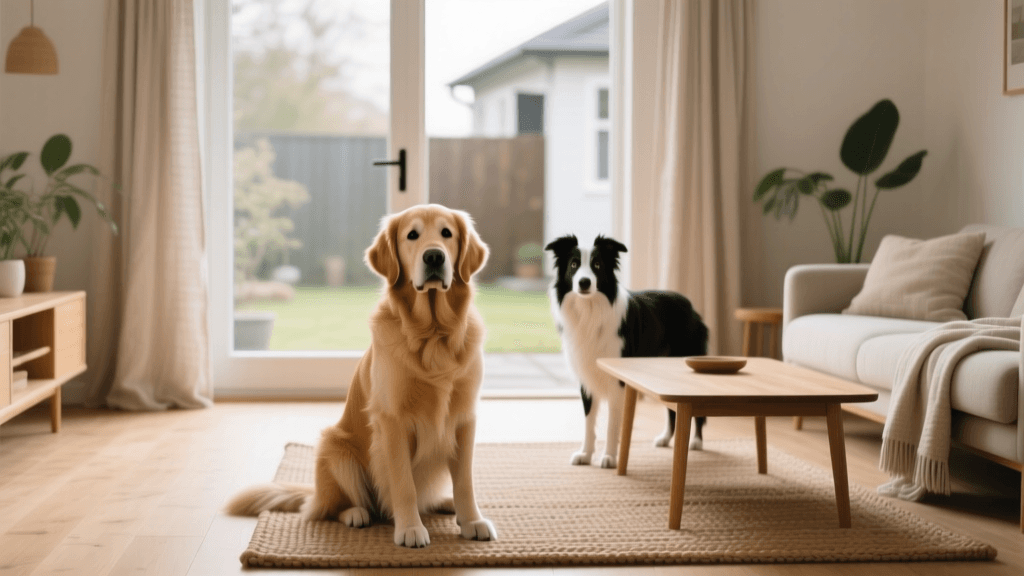
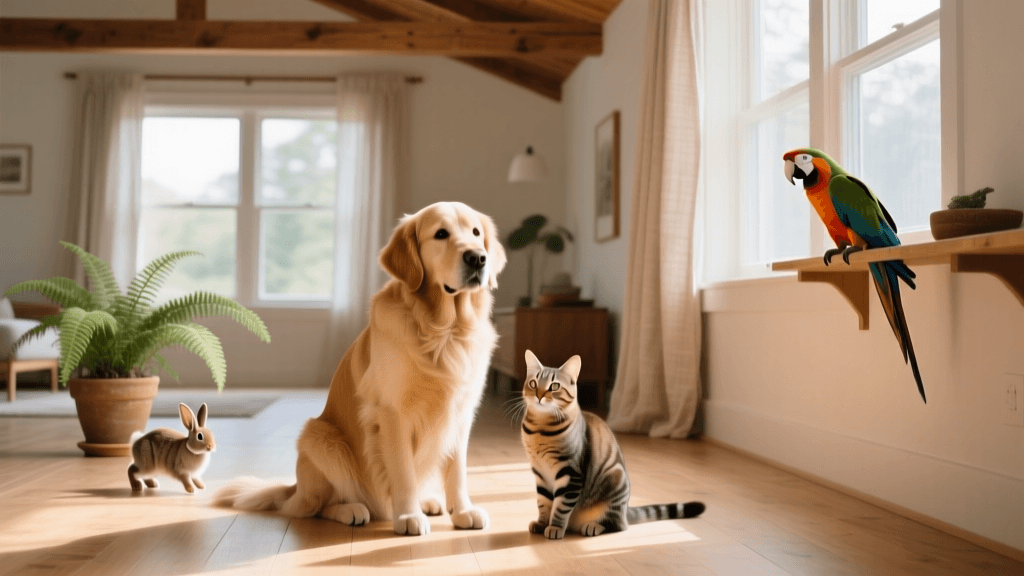
When integrating a new dog into a multi-pet household or a home with young children, temperament is paramount. Golden Retrievers are widely celebrated for their gentle, sensitive, and eager-to-please nature. They tend to be highly attuned to the emotional climate of the home, making them exceptional therapy dogs and gentle playmates for toddlers. Conversely, the American Kennel Club notes that Golden Retrievers can sometimes be prone to separation anxiety if left alone for long periods, as they crave constant human companionship.
Labrador Retrievers, on the other hand, are the quintessential boisterous clowns of the dog world. They are robust, highly resilient, and generally less sensitive to rough-and-tumble play. This makes the Lab an excellent match for families with rowdy older children or other high-energy dogs. However, their exuberance means they require more rigorous boundary training during their adolescent months (typically between 6 and 18 months) to prevent them from accidentally knocking over smaller children or fragile household items.
While both breeds are phenomenal family companions, the Golden tends to be slightly more sensitive to household emotions, whereas the Labrador is often the boisterous, bounce-back clown of the family.
Daily Routines and Exercise Needs
Both breeds are sporting dogs that require substantial daily exercise, but the intensity and type of activity they prefer can differ. A well-structured daily routine is essential to prevent destructive behaviors born from boredom.
Sample Daily Routine for an Active Retriever
- Morning (6:30 AM - 7:30 AM): Start the day with a 30-minute brisk walk or light jog. Labs may prefer a steady run, while Goldens often enjoy a more exploratory, sniff-heavy walk to engage their tracking instincts.
- Mid-Day (12:00 PM): Mental stimulation is just as tiring as physical exercise. Use a puzzle toy like the Outward Hound Dog Brick or a frozen KONG Classic stuffed with peanut butter and blueberries to keep them occupied while you work.
- Afternoon (5:00 PM - 6:00 PM): High-intensity fetch or swimming. Labs are water-obsessed and will happily retrieve a Chuckit! Ultra Ball from a lake for hours. Goldens also love water but may prefer a structured game of hide-and-seek in the woods.
- Evening (8:00 PM): A 15-minute decompression walk around the neighborhood to reinforce leash manners and allow for evening bathroom breaks.
Nutritional Requirements
Active retrievers burn a significant amount of calories. An adult Labrador weighing 70 pounds engaging in an hour of vigorous exercise daily will require approximately 1,600 to 1,800 calories per day. High-performance kibble, such as Purina Pro Plan Sport 26/18 (which costs roughly $65 for a 35lb bag), provides the necessary protein and fat ratios to sustain their energy levels and maintain joint health. Goldens, being slightly less hyperactive on average, may require about 10% fewer calories to prevent obesity, a common issue in the breed.
Breed Comparison Chart
Understanding the physical and behavioral metrics of both breeds helps set realistic expectations for your daily life and long-term care.
| Feature | Golden Retriever | Labrador Retriever |
|---|---|---|
| Average Weight | 55 - 75 lbs | 55 - 80 lbs |
| Coat Type | Dense, water-repellent with heavy feathering | Short, dense, hard double coat |
| Energy Level | High (45-60 mins intense exercise) | Very High (60-90 mins intense exercise) |
| Trainability | Exceptional (Soft, responds to gentle praise) | Exceptional (Food-driven, highly resilient) |
| Shedding | Moderate daily, heavy seasonal blows | Heavy year-round, intense seasonal blows |
| Average Lifespan | 10 - 12 years | 11 - 13 years |
| Puppy Cost (Reputable Breeder) | $1,500 - $3,500 | $1,200 - $2,500 |
Travel and Outdoor Adventures
When it comes to traveling with your dog, both breeds make excellent co-pilots, but their physical builds dictate different travel gear requirements. Because Labs are generally stockier and heavier-boned, they require larger, heavy-duty travel crates. If you are road-tripping or camping, investing in a crash-tested kennel like the Gunner G1 Kennel (priced between $500 and $700) is highly recommended for safety. Ensure you select the Large or Extra-Large size, allowing the dog to stand up and turn around comfortably, which usually requires a crate length of at least 42 inches for a full-grown male Lab.
For hiking and camping, Golden Retrievers are slightly more agile and nimble on uneven terrain, making them fantastic trail companions. However, their longer feathered coats are prone to picking up burrs, foxtails, and mud. When camping with a Golden, you must pack a specialized grooming rake and dog-safe paw wipes to clean their paws and underbelly before they enter the tent. Labs, with their shorter, harder coats, are much easier to wipe down with a simple microfiber towel after a muddy hike.
Grooming and Practical Care
Do not let the Golden's glamorous coat or the Lab's sleek appearance fool you; both breeds are prolific shedders. They possess a double coat designed to repel water and insulate against cold, which means they "blow" their undercoat twice a year (spring and fall) in massive quantities.
Essential Grooming Tools
- For the Golden Retriever: You will need a high-quality slicker brush for daily maintenance of the feathering on their legs, chest, and tail to prevent painful mats. A steel comb is necessary for checking behind the ears.
- For the Labrador Retriever: A rubber curry brush or a deshedding tool like the FURminator deShedding Tool (approximately $45) is highly effective for removing the loose, dead undercoat before it ends up embedded in your furniture.
- Bathing: Both breeds should be bathed every 4 to 6 weeks using an oatmeal-based dog shampoo to maintain their skin's natural oils. Over-bathing a Lab can lead to dry, flaky skin, while under-bathing a Golden can result in a foul odor trapped in their dense feathering.
Health and Lifespan Considerations
Integrating a dog into your life also means preparing for their healthcare needs. Both Golden and Labrador Retrievers are genetically predisposed to certain orthopedic conditions, most notably hip and elbow dysplasia. According to data from the Orthopedic Foundation for Animals (OFA), both breeds rank in the middle of the pack for hip dysplasia prevalence, with roughly 10% to 15% of evaluated dogs showing some degree of joint laxity. To mitigate this, avoid forced, high-impact exercises like repetitive frisbee jumping on hard surfaces until the dog's growth plates have fully closed (usually around 18 to 24 months of age).
Additionally, Goldens have a notoriously high incidence of various cancers, including hemangiosarcoma and lymphoma, which significantly impacts their average lifespan compared to Labs. Budgeting for comprehensive pet insurance is a practical necessity for both breeds. Providers like Healthy Paws or Trupanion typically cost between $45 and $75 per month for a retriever puppy enrolled at 8 weeks of age. This financial preparation ensures that if your active companion suffers a torn cranial cruciate ligament (CCL) on the hiking trail—a common injury in sporting dogs—you can focus on their recovery rather than the $3,000 to $5,000 surgical cost.
Final Verdict: Which Breed Fits Your Life?
Ultimately, the choice between a Golden Retriever and a Labrador Retriever depends on the specific rhythm of your household. If your family enjoys a slightly more relaxed outdoor lifestyle, values a deeply empathetic and gentle companion, and doesn't mind dedicating 15 extra minutes a day to coat brushing, the Golden Retriever is an unparalleled choice. If your family is constantly on the move, loves rugged camping trips, has loud and active children, and prefers a dog that can shake off the mud and keep on going, the resilient and joyful Labrador Retriever will seamlessly slot into your adventurous routine. Whichever you choose, preparing your home, schedule, and budget will ensure a harmonious and fulfilling life with your new best friend.
priya-sutaria
All our authors care for dogs every day — read more of their work on the authors page.