Anxious Rescue Dog Home Setup: 2026 Decompression Guide
Learn how to prepare an escape-proof decompression zone for anxious rescue dogs in 2026, featuring airlock setups, calming tech, and the 3-3-3 rule.
Understanding the Anxious Rescue Mindset in 2026
Adopting a reactive, fearful, or flight-risk rescue dog is one of the most rewarding decisions you can make, but it requires a highly strategic approach to home preparation. As of 2026, shelter behaviorists and veterinary professionals emphasize that the traditional "let them explore the house" method is detrimental to high-anxiety dogs. Instead, modern canine behavioral science advocates for a structured "decompression protocol." When a dog transitions from a high-stress shelter environment to a new home, their nervous system is flooded with cortisol. Trigger stacking—where multiple minor stressors compound into a major behavioral reaction or escape attempt—is a severe risk during the first few weeks.
To prevent door-dashing, destructive panic, and chronic anxiety, you must design a specialized sanctuary before your new dog ever crosses the threshold. According to the ASPCA's Dog Behavior Resources, setting clear boundaries and providing a predictable, low-stimulation environment are the foundational steps in rehabilitating fearful rescues. This guide will walk you through creating an escape-proof, sensory-regulated decompression zone tailored for the modern rescue dog.
The "Airlock" Entryway System
The front door is the most common point of failure for flight-risk dogs. A panicked dog can easily slip past an unsuspecting owner or bolt through an open door the moment a delivery driver approaches. In 2026, professional behaviorists strongly recommend installing a double-door "airlock" system in your primary entryway.
How to Build a Temporary Airlock
- Step 1: Install a pressure-mounted, extra-tall baby gate (minimum 36 inches high) a few feet inside your front door.
- Step 2: Hang a heavy blackout curtain on a tension rod directly behind the gate. This blocks the dog's line of sight to the outside world when the front door opens, preventing visual trigger stacking from pedestrians or other animals.
- Step 3: Place a non-slip mat and a high-value treat scatter area (like a snuffle mat) inside the airlock zone. This conditions the dog to associate the entryway with calm foraging rather than frantic escape attempts.
This physical and visual barrier ensures that even if the front door is left ajar, the dog remains safely contained in the primary living area while you secure the perimeter.
Designing the Visual and Auditory Sanctuary
Your dog's decompression room—ideally a quiet spare bedroom or a sectioned-off den—must be a sensory haven. Fearful dogs are hyper-vigilant, constantly scanning their environment for threats. By controlling the visual and auditory inputs, you actively lower their heart rate and encourage restorative sleep.
Visual Modifications
Apply frosted, static-cling privacy film to the bottom three feet of all windows in the decompression room. This allows natural sunlight to enter while completely blocking the dog's view of outdoor triggers like neighborhood dogs, cars, and wildlife. Removing the ability to "patrol" the window significantly reduces chronic barrier frustration and barking.
Auditory Masking
Silence can be terrifying for a dog accustomed to the constant, chaotic noise of a shelter kennel. Utilize a white noise machine or a dedicated pet-calming audio system. Playing bioacoustic music specifically designed for canine nervous systems (such as classical arrangements with simplified tempos) helps mask sudden outdoor noises like sirens or thunder. The Fear Free Pets initiative highly recommends consistent, low-frequency auditory masking to reduce startle reflexes in newly adopted, noise-sensitive animals.
Olfactory Support
Pheromone therapy has advanced significantly. Plug in an Adaptil Optimum diffuser in the sanctuary room at least 48 hours before the dog arrives. This synthesizes the dog-appeasing pheromone (DAP) produced by nursing mothers, signaling to the dog's brain that the environment is safe and secure.
2026 Escape-Proof Gear and Tracking Tech
Even with a perfect home setup, you will eventually need to move the dog through the house or take them outside for a bathroom break. Flight-risk dogs are notorious for slipping standard collars and backing out of basic harnesses. You must invest in specialized, escape-proof gear and redundant tracking technology.
The Harness and Leash Protocol
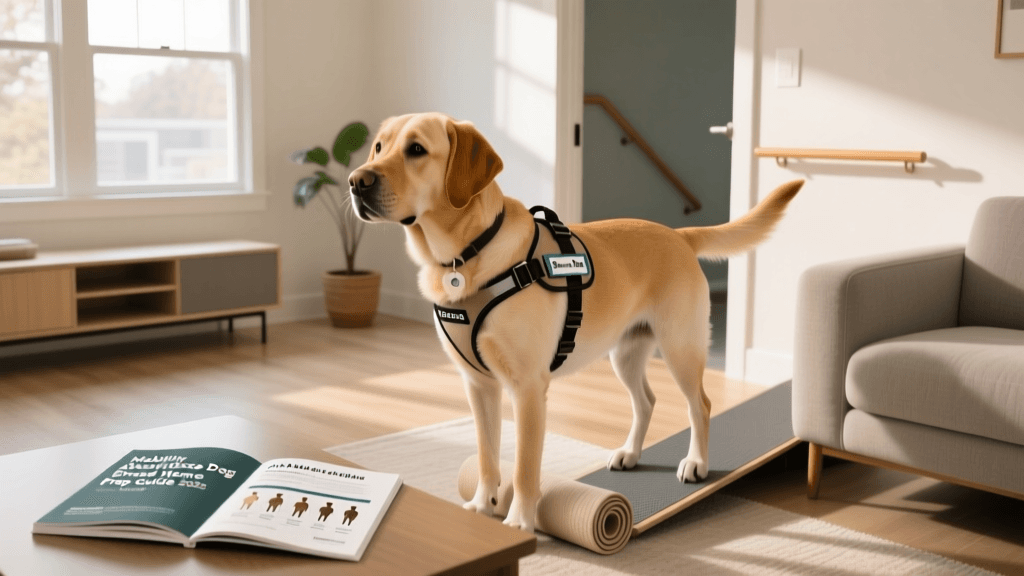
Ditch the standard flat collar immediately. Instead, use a dual-clip, escape-proof harness like the Ruffwear Web Master or the Kurgo Tru-Fit. These harnesses feature an extra belly strap that sits behind the ribcage, making it physically impossible for a dog to back out of them. Always use a leash with dual traffic handles, allowing you to keep the dog close to your leg in tight spaces like hallways or doorways.
Redundant GPS Tracking
In 2026, relying on a single microchip is not enough for a high-flight-risk dog. Microchips only help after the dog is found and scanned. You need real-time tracking. The current gold standard is a two-tiered system:
- Primary LTE-M GPS Collar: Devices like the Fi Series 4 or the latest Tractive 5G models offer real-time boundary alerts and location pinging every three seconds in "Lost Mode." Ensure the subscription is active before adoption day.
- Secondary Bluetooth/Network Tracker: Attach an Apple AirTag or Samsung SmartTag to a breakaway collar worn underneath the harness. This provides a crowdsourced backup network in case the primary GPS battery fails or the signal is lost in dense urban areas.
Decompression Zone Setup Checklist
Use the following table to audit your sanctuary room before bringing your anxious rescue home. Ensuring every item is checked off will drastically reduce the likelihood of a behavioral regression during the critical first 72 hours.
| Category | Item / Modification | Purpose | Status |
|---|---|---|---|
| Physical Security | Extra-Tall Baby Gate (36"+) | Prevents room escapes and restricts roaming | Required |
| Visual Control | Frosted Window Film (Bottom 3 ft) | Blocks outdoor triggers and reduces patrol barking | Required |
| Auditory Masking | White Noise / Bioacoustic Audio | Masks sudden environmental noises and sirens | Required |
| Olfactory Calming | Adaptil Optimum Diffuser | Releases synthetic appeasing pheromones | Recommended |
| Rest & Comfort | Covered Crate or Cave Bed | Provides a den-like, enclosed safe space | Required |
| Enrichment | Lick Mats & Snuffle Mats | Promotes foraging and lowers heart rate | Recommended |
Bringing Them Home: The First 72 Hours
The moment you arrive home, do not take the dog on a "tour" of the house. This is a common mistake that overwhelms the canine nervous system. Instead, leash the dog directly from the car to the airlock, and then into the pre-prepared decompression sanctuary. Remove the leash only when the door is securely closed.
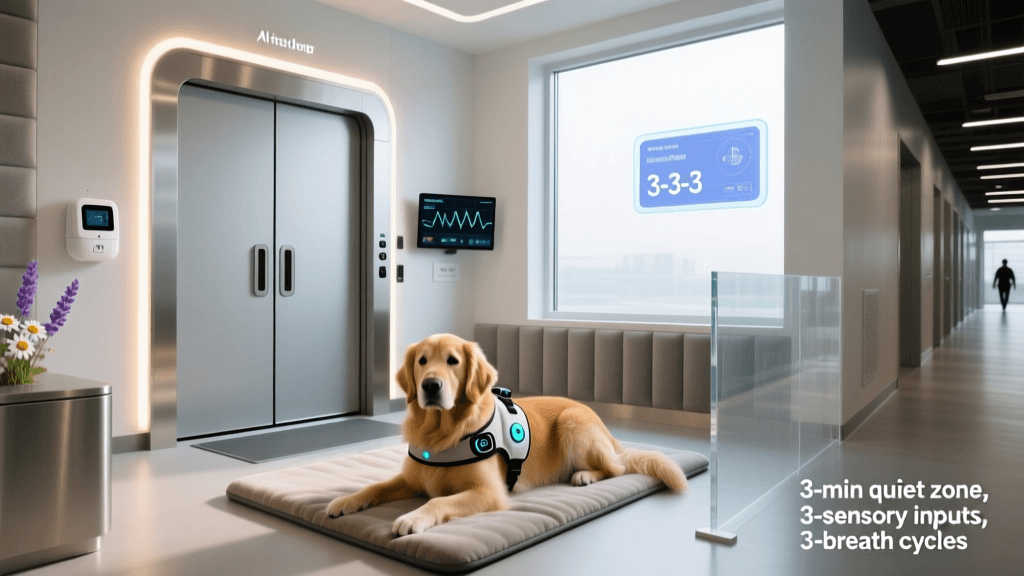
For the first three days (the "3" in the famous 3-3-3 rule of rescue), keep the dog strictly confined to this room and a designated, low-traffic potty area. Keep interactions incredibly boring. Speak in soft, low tones, avoid direct eye contact, and let the dog initiate any physical contact. Scatter meals on the floor or in snuffle mats rather than using a bowl, which encourages natural foraging behaviors and builds confidence.
If you notice signs of severe panic, prolonged pacing, or refusal to eat for more than 24 hours, it is time to call in a professional. The International Association of Animal Behavior Consultants (IAABC) maintains a directory of certified professionals who specialize in fear and reactivity, utilizing force-free, science-based methodologies to help your dog transition safely.
Conclusion
Preparing your home for an anxious or reactive rescue dog requires patience, investment, and a deep understanding of canine body language. By building an airlock entryway, controlling sensory inputs, and utilizing 2026's best escape-proof gear, you are not just protecting your home—you are actively rewiring your dog's brain to understand that they are finally safe. The decompression phase is not a punishment; it is a vital neurological reset that sets the foundation for a trusting, lifelong bond.
priya-sutaria
All our authors care for dogs every day — read more of their work on the authors page.