Getting a Mobility Service Dog: 2026 Breed & Prep
Discover how to choose, source, and prepare your home for a mobility assistance dog in 2026. Includes breed comparisons, ADA rules, and essential gear.
The Rising Demand for Mobility Assistance Dogs in 2026
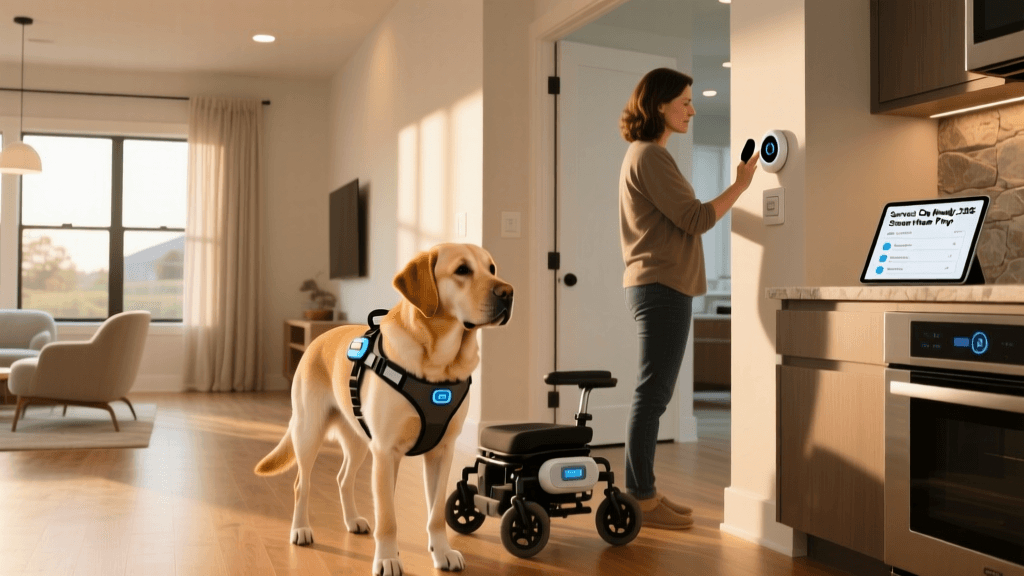
As we navigate through 2026, the reliance on service animals for physical disabilities has reached new heights. A mobility assistance dog is not merely a companion; it is a highly trained medical partner capable of performing life-altering tasks. From retrieving dropped items and opening doors to providing balance support and pulling wheelchairs, these canine partners offer unprecedented independence to their handlers. However, getting a mobility service dog requires meticulous planning, an understanding of physical requirements, and significant home preparation. This comprehensive guide will walk you through the breed selection process, sourcing options, and essential home modifications needed to welcome a mobility dog into your life this year.
Understanding the Physical Requirements for Mobility Work
Unlike psychiatric service dogs or medical alert dogs, mobility assistance dogs must meet strict physical criteria to perform their tasks safely without sustaining injury. If a dog is going to perform bracing (helping a handler stand or stabilize) or pulling (moving a manual wheelchair), the dog must be fully grown and structurally sound. As a general veterinary consensus in 2026, a dog must weigh a minimum of 60 pounds and stand at least 22 inches tall at the shoulder to safely perform weight-bearing bracing tasks. Smaller dogs can still perform light mobility tasks like retrieving items, pressing accessible door buttons, or carrying small items in a saddlebag, but heavy-duty mobility work requires large, robust breeds with excellent joint health.
Top Breeds for Mobility Assistance Work
Choosing the right breed is critical for the longevity and success of a mobility service dog. The ideal candidate possesses a calm temperament, high biddability (eagerness to please), physical stamina, and a low incidence of hereditary joint issues. Below is a comparison of the top breeds utilized by accredited service dog programs in 2026.
| Breed | Average Weight | Joint Health Profile | Trainability | Best Suited For |
|---|---|---|---|---|
| Labrador Retriever | 65-80 lbs | Good (OFA screened) | Exceptional | Wheelchair pulling, bracing, retrieving |
| Golden Retriever | 60-75 lbs | Good (OFA screened) | Exceptional | Bracing, deep pressure therapy, retrieving |
| Standard Poodle | 50-70 lbs | Excellent | High | Retrieving, button pressing, allergy-friendly handlers |
| Bernese Mountain Dog | 80-110 lbs | Fair (Requires strict screening) | High | Heavy bracing, pulling, cold climate mobility |
| German Shepherd | 65-90 lbs | Good (Working line specific) | Exceptional | Complex tasks, high-stamina mobility, protection |
According to the Orthopedic Foundation for Animals (OFA), screening for hip and elbow dysplasia is non-negotiable for mobility prospects. Any dog intended for bracing or pulling must have OFA Excellent or Good ratings to ensure they do not develop debilitating arthritis during their working years.
Sourcing Your Service Dog: Programs vs. Owner-Training
In 2026, prospective handlers generally have two paths to acquire a mobility service dog: applying to an accredited program or owner-training with professional guidance.
Program-Trained Dogs
Organizations accredited by Assistance Dogs International (ADI) provide fully trained, tested, and placed service dogs. These dogs undergo 18 to 24 months of professional training before being matched with a handler. The benefits are immense: the dog is guaranteed to perform specific tasks, pass public access tests, and possess a stable temperament. However, the drawbacks include extensive waitlists (often 2 to 4 years in 2026) and high placement costs ranging from $25,000 to $45,000, though many nonprofits offer grants and fundraising assistance.
Owner-Training
Due to extensive waitlists, owner-training has become increasingly popular. This route allows you to select a puppy or young adult dog and train them yourself under the supervision of a certified service dog trainer. While this can cost significantly less and allows for a deeper bond from day one, it requires a massive time commitment—often 2 to 3 hours of dedicated training daily—and carries the risk of the dog washing out if they develop fears or health issues during maturation.
Essential Home Modifications for Mobility Dogs
Preparing your home is just as important as training the dog. A mobility dog must be able to navigate your living space safely, especially if they are wearing a harness or carrying equipment. Here are the critical modifications to implement before bringing your dog home.
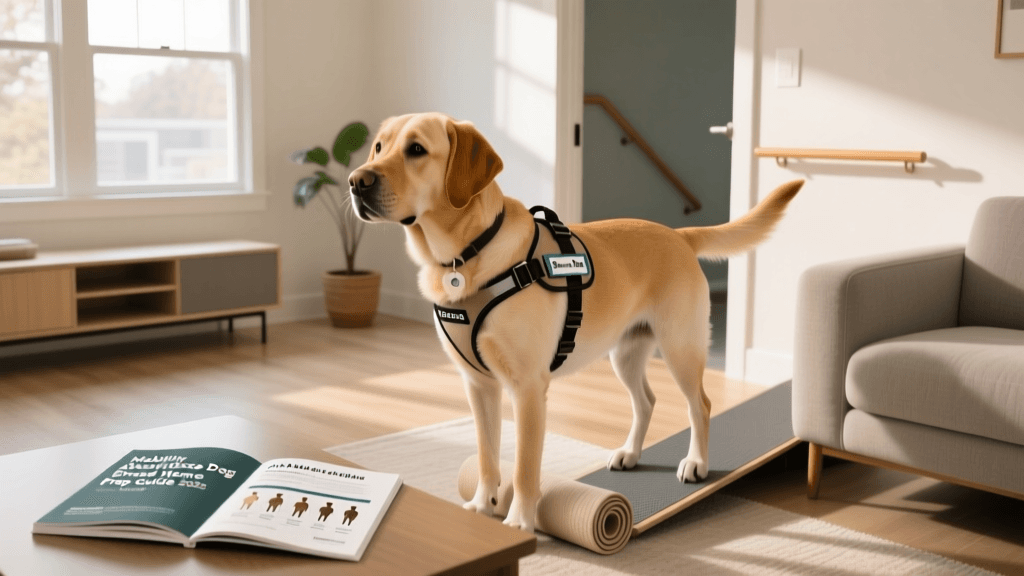
- Flooring and Traction: Hardwood and tile floors are incredibly slippery and can cause micro-tears in a working dog's joints. Install area rugs with non-slip pads in high-traffic areas. Alternatively, use high-quality paw wax like Musher's Secret to provide temporary traction on slick surfaces.
- Door Hardware: Replace round doorknobs with lever-style handles. You can train your mobility dog to jump and pull levers down using a paracord tug-toy attached to the lever, allowing them to open doors independently.
- Accessible Storage: Install low, open shelving or pull-out drawers for the items your dog will retrieve, such as medication bottles, keys, or phones. This prevents the dog from having to jump onto counters or tables, which is both unsafe and a violation of public access etiquette.
- Ramps and Stairs: If you have a vehicle or elevated furniture, invest in a sturdy, high-traction ramp. The Solvit Wood Bed Ramp or similar heavy-duty models rated for over 100 pounds are ideal for large mobility breeds to prevent repetitive joint strain from jumping.
Must-Have Gear for the 2026 Mobility Handler
Equipping your mobility dog with the right gear ensures their safety and efficiency. In 2026, the industry standard for mobility harnesses is the Ruffwear Web Master Multi-Support Harness. This specific harness features a rigid handle for bracing, dual leash attachment points, and padded straps that distribute weight evenly across the dog's chest and belly, preventing chafing during pulling tasks. For wheelchair pulling, a specialized pulling harness with a spreader bar and bungee leash system is required to absorb shock and protect the dog's spine. Always consult with a certified canine rehabilitation therapist to fit these harnesses properly.
Legal Rights and Public Access in 2026
Understanding your legal rights is paramount when getting a service dog. According to the Americans with Disabilities Act (ADA), service dogs are permitted to accompany their handlers anywhere the general public is allowed. This includes restaurants, grocery stores, hospitals, and public transit. It is vital to note that the ADA does not require service dogs to wear a vest, carry identification cards, or be registered in any national database. However, wearing a clearly marked 'Service Dog' vest is highly recommended to minimize confrontations and streamline entry into public spaces. Businesses are only legally permitted to ask two questions: (1) Is the dog a service animal required because of a disability? and (2) What work or task has the dog been trained to perform? Familiarize yourself with these regulations to confidently advocate for yourself and your canine partner.
Veterinary Care and Working Dog Longevity
A mobility dog is an elite athlete, and their veterinary care must reflect that status. Nutrition should focus on joint-supporting formulas rich in Omega-3 fatty acids, glucosamine, and chondroitin. In 2026, leading veterinary orthopedic specialists strongly advise delaying the spaying or neutering of large breed service prospects until their growth plates have fully closed, typically between 18 and 24 months of age. Early alteration has been linked to a higher incidence of cranial cruciate ligament (CCL) tears and hip dysplasia, which would immediately end a mobility dog's career. Implement a strict conditioning routine that includes core strengthening, balance disk exercises, and hydrotherapy to keep your dog's muscles robust enough to support your physical needs.
Conclusion: A Life-Changing Partnership
Getting a mobility assistance dog is a profound decision that will fundamentally alter your daily life, offering renewed independence and confidence. By carefully selecting the right breed, understanding the sourcing avenues available in 2026, and meticulously preparing your home and gear, you set the foundation for a successful, long-lasting partnership. Whether you choose to wait for an ADI-accredited program dog or embark on the rewarding journey of owner-training, the bond you forge with your mobility dog will be one of the most transformative relationships of your life.
priya-sutaria
All our authors care for dogs every day — read more of their work on the authors page.