Getting a Bernese Mountain Dog: Costs, Care, and Traits
Discover what to expect when getting a Bernese Mountain Dog. Learn about costs, health testing, grooming, and preparing your home for this gentle giant.
The Allure of the Bernese Mountain Dog
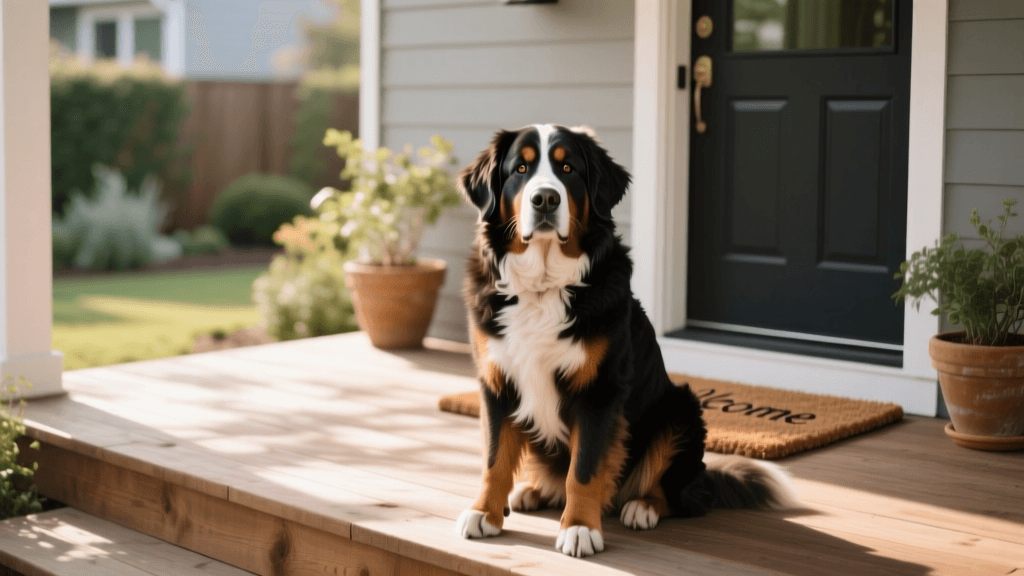
When you picture a gentle, tri-colored giant resting its heavy head on your knee, you are likely envisioning the Bernese Mountain Dog. Originating from the farmlands of Switzerland, these dogs were historically used as draft animals, herding cattle, and guarding property. Today, they are beloved family companions known for their placid temperaments and striking beauty. However, getting a Bernese Mountain Dog is a significant commitment that requires careful consideration of their unique health, spatial, and financial needs.
According to the American Kennel Club (AKC), the Bernese Mountain Dog is a large, sturdy working dog that stands between 25 and 27.5 inches tall at the shoulder and weighs anywhere from 80 to 115 pounds. Their iconic tricolor coat—jet black, clear white, and rich rust—makes them instantly recognizable, but it also demands a specific grooming regimen.
Is Your Lifestyle Compatible with a Berner?
Before bringing a Berner home, evaluate your living situation and climate. These dogs possess a thick double coat designed for the frigid Swiss Alps. Consequently, they are highly sensitive to heat and humidity. If you live in a warm climate, getting a Bernese Mountain Dog means you must commit to strict climate control, limiting outdoor exercise to early mornings and late evenings, and providing constant access to air conditioning and cooling mats.
Furthermore, despite their large size, Berners are notoriously "velcro dogs." They thrive on human companionship and are prone to severe separation anxiety if left alone in a backyard or isolated in a crate for eight hours a day. They require a home where someone is present for much of the day, or where doggy daycare and dog walkers are integrated into the routine.
The Financial Reality: Bernese Mountain Dog Costs
Giant breeds come with giant expenses. From the initial purchase price to the ongoing cost of large-breed nutrition and preventative veterinary care, prospective owners must budget accordingly. Below is a breakdown of the estimated costs associated with getting and maintaining a Bernese Mountain Dog during the first year.
| Expense Category | Estimated First-Year Cost | Notes |
|---|---|---|
| Puppy (Reputable Breeder) | $2,500 - $3,500 | Includes OFA health testing of parents |
| Initial Vet Care & Vaccines | $400 - $600 | Includes DHPP, Rabies, Bordetella, microchip |
| XXL Crate (54-inch) | $150 - $250 | Heavy-duty wire crate required for giant breeds |
| Monthly Food (Large Breed) | $1,200 - $1,800 | Premium kibble or raw diet for giant growth |
| Pet Insurance | $900 - $1,400 | Crucial due to breed-specific cancer risks |
As the table illustrates, the first-year cost of getting a Bernese Mountain Dog can easily exceed $5,000. Pet insurance is not optional for this breed; it is a financial necessity.
Critical Health Screenings and Lifespan Expectations
The most heartbreaking aspect of the Bernese Mountain Dog is its abbreviated lifespan, which averages between 7 and 10 years. The breed is disproportionately affected by several types of cancer, most notably Histiocytic Sarcoma and Hemangiosarcoma. Additionally, like many giant breeds, they are susceptible to orthopedic issues such as hip and elbow dysplasia.
When getting a Bernese Mountain Dog from a breeder, you must demand proof of health testing. The Bernese Mountain Dog Club of America (BMDCA) strongly recommends that breeding stock be tested and cleared through the Orthopedic Foundation for Animals (OFA) or PennHIP for hips, OFA for elbows, and evaluated by a board-certified veterinary cardiologist and ophthalmologist. Never purchase a puppy from a breeder who claims their dogs are "vet checked" without providing official OFA certification numbers for the parents.
"Responsible breeding is the only way to improve the longevity and health of the Bernese Mountain Dog. Buyers must be educated on CHIC (Canine Health Information Center) requirements and refuse to support breeders who bypass genetic and orthopedic screenings."
Preparing Your Home for a Giant Breed
A standard 42-inch dog crate will not suffice for an adult Berner. When preparing your home, you must invest in heavy-duty, giant-breed equipment to ensure safety and comfort.
- The Right Crate: Purchase a 54-inch double-door wire crate, such as the Midwest Ultima Pro. This allows the adult dog to stand up without hunching and turn around comfortably.
- Orthopedic Bedding: Giant breeds are prone to elbow hygromas and joint pain. Avoid flat, plush beds. Instead, invest in an elevated, orthopedic bed like the Kuranda Chewproof Dog Bed or a high-density memory foam mattress measuring at least 40x30 inches.
- Vehicle Ramps: Jumping in and out of an SUV can cause catastrophic joint injuries to a growing Berner puppy whose growth plates have not yet closed (which can take up to 24 months). A heavy-duty ramp, such as the PetSafe Happy Ride Telescoping Pet Ramp, is mandatory for vehicle travel.
- Heavy-Duty Gates: Standard pressure-mounted baby gates will collapse under the weight of a 100-pound dog. Install hardware-mounted pet gates that stand at least 36 inches tall.
Nutrition and Growth Management
When getting a Bernese Mountain Dog puppy, managing their growth rate is critical to preventing orthopedic diseases. Puppies should be fed a diet specifically formulated for Large Breed or Giant Breed puppies. These diets contain controlled levels of calcium and phosphorus, and a restricted caloric density to prevent the puppy from growing too quickly.
Brands like Purina Pro Plan Large Breed Puppy or Royal Canin Giant Puppy are excellent choices. Keep your puppy lean; you should be able to easily feel their ribs without pressing hard, and they should have a visible abdominal tuck. Overfeeding a Berner puppy is a direct pathway to developmental joint disorders.
Grooming the Double Coat
The Bernese coat is designed to repel dirt and withstand freezing temperatures, but it sheds profusely, especially during the biannual "blowout" seasons in spring and fall. To manage this, you will need a robust grooming toolkit.
Invest in a high-quality undercoat rake and a premium slicker brush, such as the Chris Christensen Big G Slicker Brush. Brushing should occur at least three times a week to prevent painful mats behind the ears, in the "feathering" on the legs, and around the collar area. Furthermore, because Berners are prone to drooling, especially after drinking water or eating, keeping a stash of microfiber towels near their water bowl is a practical necessity for keeping your home clean.
Training and Early Socialization
Because Bernese Mountain Dogs mature slowly—both physically and mentally—they require patient, positive reinforcement training. Their sensitive nature means they do not respond well to harsh corrections or heavy-handed discipline. A firm, gentle, and consistent approach yields the best results.
The critical socialization window for puppies occurs between 8 and 16 weeks of age. During this time, it is imperative to expose your Berner to a wide variety of surfaces (grass, gravel, metal grates), sounds (traffic, vacuums, thunderstorms), and people (children, individuals wearing hats or uniforms). Enrolling in a puppy kindergarten class that focuses on confidence-building rather than just obedience commands is highly recommended. Remember, a well-socialized Berner is a joy to be around, while an under-socialized one can become fearful and difficult to manage at 100 pounds.
Finding Your Berner: Breeder vs. Rescue
While getting a Bernese Mountain Dog from a preservation breeder ensures you have access to the puppy's full genetic history and early socialization, there are also rescue organizations dedicated to the breed. The BMDCA Rescue Network occasionally has adult Berners or mixes in need of foster and forever homes, often due to the tragic passing of an owner or a family's inability to manage the dog's giant size and medical needs.
Whether you choose a breeder or a rescue, the decision to bring a Bernese Mountain Dog into your life is a promise to provide a few short, but incredibly beautiful, years of companionship. They are not just pets; they are profound, soulful family members that will leave a lasting mark on your heart long after they are gone.
jonas-cole
All our authors care for dogs every day — read more of their work on the authors page.