Diagnose and Fix Resource Guarding in Multi-Dog Homes
Learn how to diagnose and stop resource guarding in multi-dog homes. Discover practical management tips, training steps, and safe feeding routines.
Understanding Resource Guarding in Multi-Dog Homes
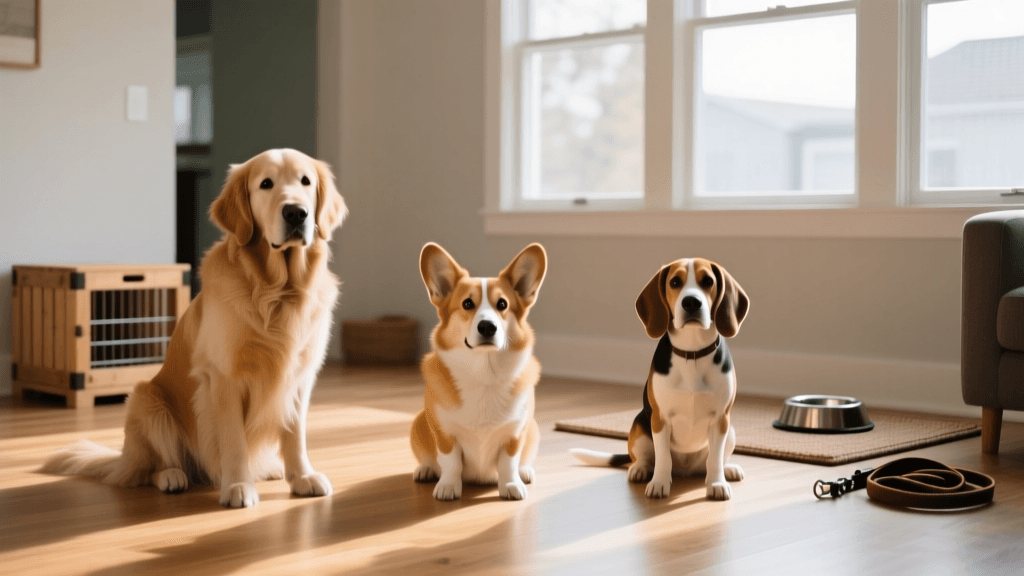
Sharing your home with multiple dogs can be a deeply rewarding experience, but it also introduces complex social dynamics that require careful management. One of the most stressful and potentially dangerous behavioral issues in a multi-dog household is resource guarding. Resource guarding occurs when a dog displays aggressive or defensive behaviors to maintain control over a valued item, space, or person. In a home with multiple dogs, the competition for resources is inherently higher, making this issue more prevalent and more volatile.
Resources are not limited to just food bowls. Dogs may guard high-value chew toys, favorite sleeping spots (like the couch or a specific bed), doorways, and even their owners. When left unaddressed, resource guarding can escalate from subtle body language cues to severe fights resulting in expensive veterinary bills and a fractured household dynamic. According to the American Society for the Prevention of Cruelty to Animals (ASPCA), resource guarding is a natural canine survival instinct, but it must be carefully managed and modified in a domestic, multi-pet environment to ensure the safety of all animals and humans involved.
Diagnosing the Problem: The Canine Escalation Ladder
Before you can solve resource guarding, you must accurately diagnose the severity of the problem. Dogs rarely bite without warning; instead, they communicate their discomfort through an 'escalation ladder.' Many owners miss the early, subtle signs of guarding and only react when the dog growls or snaps, which is unfortunately near the top of the ladder. By learning to read the early stages, you can intervene before a conflict occurs.
| Stage | Canine Behavior | Owner Action Required |
|---|---|---|
| 1. Early Warning | Freezing, stiffening of the body, 'whale eye' (showing the whites of the eyes), eating faster. | Stop approaching. Give the dog space and remove the other dog from the area immediately. |
| 2. Mild Escalation | Hard staring, hovering over the resource, lip licking, yawning, turning head away while keeping body tense. | Do not punish. Calmly distract the dog with a neutral cue and manage the environment to prevent future setups. |
| 3. Moderate Escalation | Low-pitched growling, baring teeth, raising the hackles (hair on the back), blocking access to the item. | Intervene safely by tossing a high-value treat away from the resource to separate the dogs. Review management protocols. |
| 4. Severe Escalation | Air snapping (biting without making contact), lunging, short warning barks. | Separate dogs immediately using a barrier or leash. Consult a certified veterinary behaviorist. |
| 5. Critical | Biting with contact, puncture wounds, full-blown fighting. | Seek emergency veterinary care if needed. Strict separation is mandatory until professional help is acquired. |
Immediate Management Solutions (Stop the Bleeding)
Training takes time, but management provides immediate safety. The goal of management is to completely remove the dog's opportunity to practice the guarding behavior. Every time a dog successfully guards a resource and the other dog backs off, the guarding behavior is reinforced. Therefore, you must control the environment to prevent these rehearsals.
Environmental Modifications
Physical barriers are your best friend in a multi-dog home. Invest in high-quality baby gates to separate dogs during high-arousal times or when high-value chews are distributed. For medium to large dogs, ensure the gate is at least 30 inches tall to prevent jumping; for small dogs, a 24-inch gate is usually sufficient. The Carlson Pet Products Design Studio Walk-Thru Gate (approx. $40-$60) is an excellent, hardware-mounted option that prevents larger dogs from pushing through. Additionally, teach both dogs a solid 'place' or 'crate' command. When it is time for a long-lasting chew like a bully stick, send each dog to their respective crates or separate gated rooms.
Safe Feeding Protocols
Food is the most commonly guarded resource. Never feed multiple dogs in the same room without strict supervision and physical separation. If space is limited, consider investing in a microchip-activated feeder like the SureFeed Microchip Pet Feeder Connect (approx. $160). This device reads your dog's implanted microchip or an RFID collar tag and only opens the lid for the assigned dog, completely eliminating food theft and the resulting guarding behavior. If a microchip feeder is outside your budget, simply feed dogs in separate rooms with the doors closed, or inside their crates. Wait until both dogs have completely finished eating and have walked away from their bowls before opening the doors and picking up the dishes.
Long-Term Training Solutions (Rewiring the Brain)
While management keeps everyone safe, training changes the dog's underlying emotional response to the presence of another dog near their resources. The objective is to shift the dog's mindset from 'They are going to take my stuff' to 'The presence of the other dog means I am going to get something even better.'
The 'Trade-Up' Game
Never forcefully pry an item from a guarding dog's mouth, as this will only increase their anxiety and defensiveness the next time. Instead, teach a positive 'Drop It' cue using the Trade-Up method. You will need a low-value toy and a high-value treat, such as freeze-dried liver or Zuke's Mini Naturals (approx. $10-$15 per bag).
- Step 1: Give your dog the low-value toy and let them engage with it for a few seconds.
- Step 2: Present the high-value treat exactly two inches from their nose. The smell should be irresistible.
- Step 3: The moment your dog opens their mouth to drop the toy to get the treat, mark the behavior with a cheerful 'Yes!' or a clicker.
- Step 4: Give them the treat, then casually pick up the toy out of sight.
- Step 5: After 5 to 10 seconds, give the toy back. This teaches the dog that giving up an item is not a permanent loss, but rather a temporary trade that often results in getting the item back plus a bonus snack.
Desensitization and Counterconditioning (DS/CC)
If your dog guards their food bowl from the other dog, you must change their emotional association. Start by feeding the guarding dog in their designated safe spot. Have the second dog on a leash, held by a family member, at a distance where the guarding dog notices them but does not show any stiffening or growling (this is called being 'under threshold'). This distance might be 10 feet or it might be across the room.
The moment the guarding dog looks at the other dog, toss a piece of high-value food (like boiled chicken or string cheese) into their bowl. The other dog's presence must reliably predict the arrival of premium treats. Over the course of several weeks, gradually decrease the distance by 1 foot every three to four successful sessions. If the guarding dog stiffens, you have moved too close, too fast; simply increase the distance again. The American Kennel Club (AKC) emphasizes that patience and consistency in DS/CC are paramount, as rushing the process can trigger a setback.
What to Avoid: The Danger of Punishment
It is a common, yet dangerous, misconception that resource guarding should be met with dominance-based corrections, such as alpha rolls, scruff shakes, or yelling. Punishing a dog for growling or stiffening does not cure the underlying anxiety; it merely suppresses the warning signs. A dog that is punished for growling will eventually learn to skip the warning stages entirely and go straight to biting when they feel threatened.
The American Veterinary Society of Animal Behavior (AVSAB) strongly advises against the use of positive punishment and negative reinforcement for behavior modification. Their position statements highlight that aversive techniques can increase stress, damage the human-animal bond, and exacerbate aggression. In a multi-dog home, punishing the guarding dog can also create negative associations with the other dog, further fueling inter-dog aggression. Always rely on positive reinforcement, management, and counterconditioning.
When to Call a Professional
Not all resource guarding can be solved with DIY methods, and there is no shame in seeking expert help. You should immediately consult a Certified Applied Animal Behaviorist (CAAB) or a board-certified veterinary behaviorist (DACVB) if:
- Either dog has sustained puncture wounds or required veterinary attention due to a fight.
- The guarding dog is also displaying aggression toward humans, especially children.
- The guarding behavior is escalating rapidly despite strict management and positive training efforts.
- You feel unsafe, anxious, or unable to consistently manage the environment.
Living with multiple dogs requires a proactive approach to their social dynamics. By accurately diagnosing the early signs of resource guarding, implementing bulletproof management strategies, and utilizing force-free training protocols, you can foster a peaceful, safe, and harmonious multi-dog household.
beth-carrasco
All our authors care for dogs every day — read more of their work on the authors page.