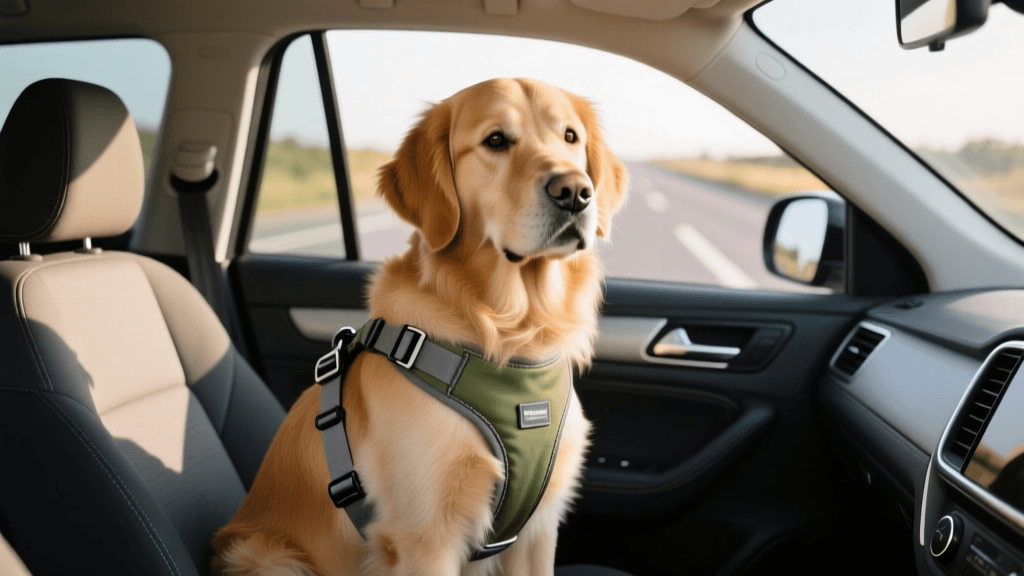
Best Crash-Tested Dog Car Harnesses For Safe Travel
Discover the best crash-tested dog car harnesses for safe travel. Compare top-rated safety restraints, sizing tips, and expert picks for your next road trip.
The Hidden Dangers of Unrestrained Dogs in Cars
Taking your furry best friend on a road trip is one of the greatest joys of pet ownership. Whether you are heading to the local park, visiting family across the state, or embarking on a cross-country adventure, your dog is likely coming along for the ride. However, many well-meaning pet parents overlook a critical aspect of travel safety: properly restraining their dog in the vehicle. According to the National Highway Traffic Safety Administration (NHTSA), distracted driving is a leading cause of accidents, and an unrestrained pet climbing into your lap or blocking your rearview mirror is a major distraction.
Beyond distractions, the physics of a car crash are unforgiving. In a collision at just 30 miles per hour, an unrestrained 50-pound dog transforms into a 2,500-pound projectile. This not only poses a fatal risk to your dog but also to every human passenger in the vehicle. To protect your family and your pup, investing in a high-quality, crash-tested dog car harness is an absolute necessity.
Why Independent Crash Testing Matters
When shopping for pet travel gear, you will frequently see terms like 'crash-resistant' or 'safety-tested' thrown around by manufacturers. Unfortunately, these terms are largely unregulated in the pet industry. A harness might be strong enough to hold your dog during a sudden stop, but completely fail under the extreme dynamic forces of an actual collision.
This is why independent testing is vital. The Center for Pet Safety (CPS) is a non-profit organization that conducts rigorous, independent crash tests on pet travel products using the same Federal Motor Vehicle Safety Standard (FMVSS) 213 protocols used for child safety seats. When you buy a CPS-certified harness, you are buying a product that has been scientifically proven to keep your dog secure and minimize injury during a crash.
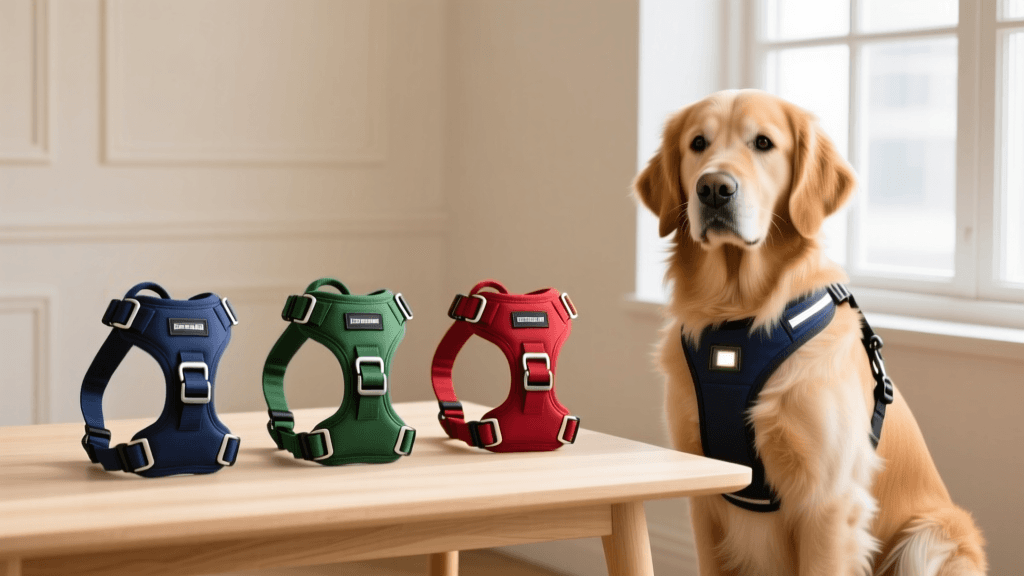
Top 3 Crash-Tested Dog Car Harnesses Reviewed
After analyzing safety data, durability, comfort, and ease of use, we have narrowed down the best crash-tested dog car harnesses on the market. Here are our top picks for every type of traveler.
1. Sleepypod Clickit Sport (Best Overall)
The Sleepypod Clickit Sport is widely regarded as the gold standard for canine car safety. It was one of the first harnesses to pass the rigorous CPS crash tests and remains a top choice for safety-conscious pet parents. The design features a three-point connection system that secures the dog's torso, distributing the force of a sudden stop across the chest and shoulders rather than the fragile neck area.
- Price: Approximately $90 - $100
- Weight Limit: Up to 90 lbs
- Key Features: Energy-absorbing padded vest, reflective strips for night visibility, and a built-in seatbelt routing system that requires no extra tethers.
- Pros: Exceptional safety record, doubles as a walking harness, easy to clean.
- Cons: The thick padding can cause some dogs to overheat in summer; limited neck adjustability.
2. Kurgo Tru-Fit Smart Harness with Crash Tested Tether (Best Value)
If you are on a budget but refuse to compromise on safety, the Kurgo Tru-Fit Smart Harness is an outstanding choice. It is important to note that you must purchase the specific 'Crash Tested' version, which includes the reinforced steel tether and carabiner, rather than the standard walking tether. The harness features a broad, padded chest plate that prevents chafing and a unique front D-ring that helps discourage pulling if you use it for daily walks.
- Price: Approximately $40 - $50
- Weight Limit: Up to 75 lbs (Standard) / Up to 120 lbs (XL with upgraded tether)
- Key Features: Steel nesting buckles, five adjustment points for a custom fit, and a 10-inch lead with a carabiner that attaches directly to the vehicle's seatbelt.
- Pros: Highly affordable, excellent adjustability, lightweight and breathable.
- Cons: The tether system allows slightly more forward movement in a crash compared to the Sleepypod's direct routing.
3. Sleepypod Clickit Terrain (Best for Large and Active Dogs)
For larger breeds, working dogs, or pets who need a bit more structure, the Sleepypod Clickit Terrain offers an upgraded, heavy-duty alternative to the Sport model. It features the same CPS-certified three-point safety design but incorporates stronger, more durable materials, including a ruggedized exterior and a reflective strip that runs the entire length of the harness.
- Price: Approximately $100 - $115
- Weight Limit: Up to 90 lbs
- Key Features: Quick-snap buckles for easy on-and-off, removable reflective patches, and compatibility with Sleepypod's modular accessories (like the Terrain Pack).
- Pros: Extremely durable, easier to put on than the Sport model due to quick-release buckles, excellent for service dogs.
- Cons: Higher price point, slightly bulkier profile.
Comprehensive Comparison Chart
Use the table below to quickly compare the top-rated crash-tested harnesses based on your specific needs and budget.
| Brand & Model | CPS Certified | Max Weight | Connection Type | Approx. Cost |
|---|---|---|---|---|
| Sleepypod Clickit Sport | Yes | 90 lbs | Direct Seatbelt Routing | $95 |
| Kurgo Tru-Fit (Crash Tested) | Yes (via tether test) | 75 - 120 lbs | Steel Tether to Seatbelt | $45 |
| Sleepypod Clickit Terrain | Yes | 90 lbs | Direct Seatbelt Routing | $110 |
Step-by-Step Guide to Measuring and Fitting
Even the most expensive, rigorously tested harness will fail to protect your dog if it does not fit correctly. A harness that is too loose will allow the dog to slip out or suffer whiplash, while one that is too tight can restrict breathing and cause severe chafing. Follow these steps to ensure a perfect fit:
- Measure the Girth: Use a soft tailor's measuring tape. Wrap it around the widest part of your dog's ribcage, just behind the front legs. Ensure the tape is snug but not tight.
- Measure the Neck: Wrap the tape around the base of the neck where a collar would naturally sit. Some harnesses require this measurement, while others rely solely on girth.
- Consult the Sizing Chart: Never guess your dog's size based on breed weight averages. Always use your exact measurements and compare them to the manufacturer's specific sizing chart.
- The Two-Finger Rule: Once the harness is on your dog, you should be able to slide exactly two fingers flat between the harness straps and your dog's body at the chest and neck. If you can fit more, it is too loose. If you cannot fit two fingers, it is too tight.
- Check for Chafing Points: Have your dog walk around the house for 15 minutes. Check the armpits and chest for any redness or hair loss. Adjust the straps accordingly.
Essential Safety Tips for Traveling with Your Dog
A harness is your primary line of defense, but safe travel involves a holistic approach to your dog's well-being on the road. The American Kennel Club (AKC) recommends several best practices for hitting the road with your canine companion:
- Always Use the Back Seat: The front passenger seat is incredibly dangerous for dogs. An deploying airbag can cause fatal injuries to a dog, even if they are secured in a harness. Always secure your dog in the rear seats.
- Acclimate Slowly: If your dog is not used to wearing a car harness, do not wait until the day of a long road trip to introduce it. Let them wear it around the house for short periods, rewarding them with high-value treats to build positive associations.
- Take Frequent Breaks: Stop every two to three hours to allow your dog to stretch their legs, hydrate, and relieve themselves. Never leave your dog unattended in a parked vehicle, as temperatures can reach lethal levels within minutes, even on mildly warm days.
- Keep Windows Closed: While dogs love sticking their heads out the window, this exposes their eyes and ears to flying debris, dust, and insects, which can cause severe injuries or infections. Crack the window slightly for fresh air, but keep it mostly rolled up.
Frequently Asked Questions
Can I use a regular walking harness in the car?
No. Standard walking harnesses are designed to handle the forward pulling force of a dog on a leash, not the extreme multidirectional forces of a vehicular collision. Using a walking harness in a car can result in the stitching tearing, buckles shattering, or severe internal injuries to your dog.
Are car booster seats safe for small dogs?
While booster seats elevate small dogs so they can see out the window, most are not independently crash-tested. If you use a booster seat, your dog must still be wearing a CPS-certified crash-tested harness that is tethered directly to the vehicle's seatbelt system, not just to the booster seat's internal clip.
What if my dog weighs more than 90 lbs?
Finding CPS-certified harnesses for giant breeds over 90 pounds is challenging due to the extreme forces generated in a crash. For giant breeds, consider a CPS-certified travel crate that is securely strapped down in the rear cargo area of an SUV or hatchback, as crates often provide better structural containment for massive dogs.
Final Thoughts
Investing in a crash-tested dog car harness is a small price to pay for the invaluable peace of mind it provides. Whether you choose the premium protection of the Sleepypod Clickit Terrain or the budget-friendly reliability of the Kurgo Tru-Fit, the most important step is making the commitment to restrain your pet properly. By prioritizing safety, you ensure that every adventure you share with your dog is a happy and secure one.
anouk-beaumont
All our authors care for dogs every day — read more of their work on the authors page.