Dog Leash Reactivity: Problem Diagnosis and Solutions
Discover the root causes of dog leash reactivity and learn step-by-step training solutions to stop lunging and barking on walks using proven methods.
Understanding Leash Reactivity: Why Does My Dog Lunge?
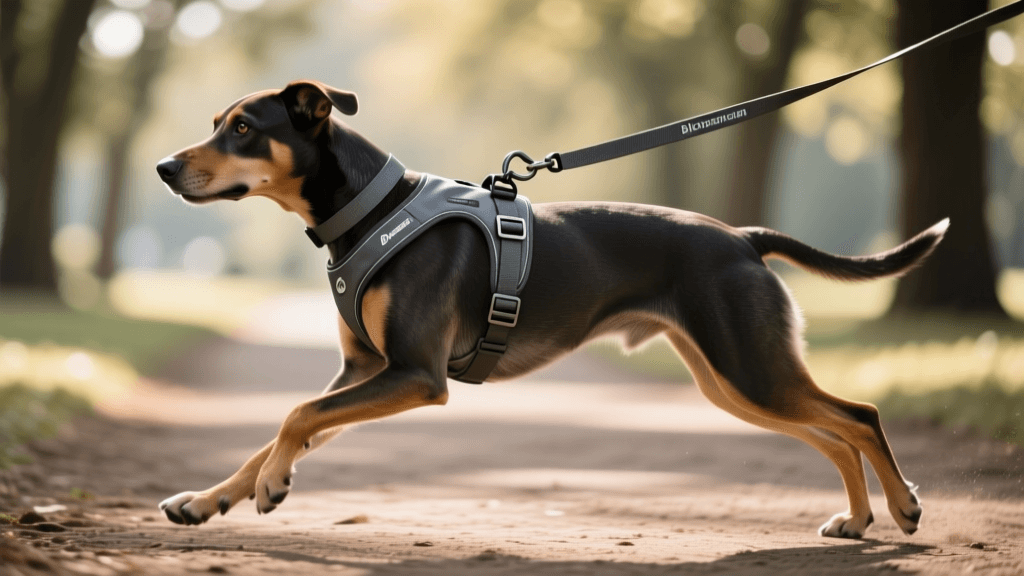
Walking your dog should be a relaxing bonding experience, but for owners of reactive dogs, it often feels like a high-stress navigational hazard. Leash reactivity—characterized by barking, lunging, growling, or snapping at the end of the leash—is one of the most common behavioral issues reported by dog owners. According to the ASPCA's guide on canine aggression and reactivity, this behavior is rarely about true 'aggression' and is much more commonly rooted in fear, anxiety, or barrier frustration. When a dog is tethered, their natural flight response is restricted, leaving them with only one option when they feel threatened or overwhelmed: fight. This fight-or-flight restriction is the primary catalyst for leash reactivity.
Reactivity is not a character flaw or a sign of a 'bad' dog. It is a symptom of an underlying emotional response to a specific trigger, such as other dogs, strangers, bicycles, or even blowing leaves. To effectively solve the problem, we must first accurately diagnose the emotional root cause before applying behavioral modification techniques.
Diagnosing the Root Cause: Fear vs. Frustration
Before you can implement a training plan, you must determine why your dog is reacting. The American Veterinary Medical Association (AVMA) notes that understanding canine body language and emotional drivers is the cornerstone of any successful behavioral intervention. Leash reactivity generally falls into two distinct categories: Fear-Based Reactivity and Frustration-Based Reactivity (often called barrier frustration).
Fear-based reactivity occurs when a dog wants to increase the distance between themselves and the trigger. They are essentially saying, 'Stay away from me, you are scary.' Conversely, frustration-based reactivity occurs when a dog wants to decrease the distance. They are highly social or overly aroused, and the leash acts as a physical barrier preventing them from reaching the trigger to investigate or play. Misdiagnosing these two can lead to ineffective training. For instance, using corrective punishment on a fear-reactive dog will only validate their belief that the trigger is dangerous, worsening the aggression over time.
| Feature | Fear-Based Reactivity | Frustration-Based Reactivity |
|---|---|---|
| Body Language | Stiff posture, tail tucked or high and rigid, whale eye, pinned ears | Wiggly body, play bows, whining, pulling forward eagerly |
| Trigger Response | Wants to increase distance (flight/fight) | Wants to decrease distance (approach/investigate) |
| Off-Leash Behavior | Avoids, hides, or shows aggression to keep dogs away | Plays well, highly social, greets appropriately |
| Primary Emotion | Anxiety, panic, self-preservation | Excitement, impatience, arousal |
Essential Gear for Reactive Dog Training
You cannot train a reactive dog effectively if you do not have the right equipment. Standard flat collars can cause tracheal damage when a 60-pound dog lunges, and retractable leashes teach dogs that pulling is the only way to move forward. Invest in the following gear to ensure safety and clear communication:
- Front-Clip Harness: The Kurgo Tru Fit Smart Harness ($25–$35) features a reinforced front D-ring. When the dog lunges, the front clip gently redirects their momentum back toward you, preventing them from using their chest weight to pull.
- Fixed-Length Leash: A 6-foot Biothane leash from Mendota Products ($20–$30) is ideal. Biothane is waterproof, easy to clean (crucial when handling treats), and provides a consistent, non-stretching boundary that helps the dog understand their spatial limits.
- Treat Pouch: The Ruffwear Treat Trader ($30) clips securely to your waist and features a magnetic closure for one-handed, split-second treat delivery. Timing is everything in reactivity training; fumbling in your pockets will cost you the training moment.
- High-Value Treats: Kibble will not compete with the adrenaline of a triggering dog. Use Zuke's Mini Naturals ($8–$12 per bag) or boiled chicken breast. Treats must be pea-sized (under 3 calories each) so the dog can consume them rapidly without feeling full. Budget roughly $30 a month for premium training treats.
Step-by-Step Solutions: The Engage-Disengage Game
Developed by canine behavior expert Leslie McDevitt in her seminal book Control Unleashed, the Engage-Disengage game is a counter-conditioning protocol designed to change your dog's emotional response to their triggers. The goal is not to force your dog to look at you, but to teach them that seeing a trigger predicts a high-value reward. The American Kennel Club's training resources frequently endorse counter-conditioning and desensitization as the gold standard for treating reactivity.
Step 1: Find the Threshold Distance
Your dog's 'threshold' is the distance at which they notice a trigger but do not react. They might look at the trigger, but they can still hear you, take a treat, and offer a sit. For some dogs, this distance is 10 feet; for others, it is 150 feet. You must start your training sub-threshold. If your dog is barking, lunging, or refusing treats, you are over threshold, and no learning can occur because their brain is flooded with cortisol and adrenaline. Find an open park or an empty lot where you can control the distance to passing dogs.
Step 2: Mark and Reward (The 'Engage' Phase)
Stand at your sub-threshold distance (e.g., 50 feet away from a walking path). Wait for your dog to look at the trigger. The exact second they look at the trigger, use a verbal marker word like 'Yes!' or click a clicker. You must mark the behavior within 0.5 to 1 second. After marking, immediately deliver a high-value treat. Repeat this 10 to 15 times per session. You are building a neurological association: Trigger appears = I get chicken.
Step 3: Decrease the Distance (The 'Disengage' Phase)
Once your dog reliably looks at the trigger and then immediately whips their head back to you expecting a treat, they have learned the 'Disengage' phase. They are now voluntarily choosing to look away from the trigger to engage with you. Only when this is fluent at 50 feet should you decrease the distance by 5 feet. If your dog reacts at 45 feet, you have moved too fast. Retreat to 50 feet and rebuild the positive association. Progress is measured in inches and weeks, not miles and days.
Trainer's Maxim: Reactivity is a symptom of an underlying emotional response, not a character flaw. By changing the emotion through classical counter-conditioning, you naturally change the outward behavior.
Management Strategies: The Emergency U-Turn
Training takes months, but life happens daily. You will inevitably encounter off-leash dogs, unexpected triggers around blind corners, or people who ignore your requests for space. You must have a management protocol in place to prevent your dog from rehearsing the reactive behavior. Every time your dog lunges and barks, the neural pathway associated with that reaction is strengthened.
Teach the 'Emergency U-Turn' in a low-distraction environment like your living room. Say a specific cue word like 'Let's Go!' in an upbeat, cheerful tone, pivot 180 degrees on your heel, and run three steps away, tossing a handful of treats on the ground for your dog to sniff and eat. The sniffing acts as a natural calming mechanism, lowering the dog's heart rate. When a surprise trigger appears on a walk, immediately cue 'Let's Go!', pivot, and scatter treats. This removes the dog from the triggering environment before they cross their reactivity threshold, preserving their training progress and preventing a stressful meltdown.
When to Seek Professional Help
While mild to moderate reactivity can often be managed with dedicated owner-led counter-conditioning, severe cases require professional intervention. If your dog has a history of biting, if their reactivity is causing you physical injury (such as being pulled to the ground), or if you feel overwhelmed and anxious during walks, it is time to hire a certified professional. Look for a Certified Applied Animal Behaviorist (CAAB) or a Karen Pryor Academy Certified Training Partner (KPA-CTP). These professionals can help you read subtle canine body language, set up controlled desensitization environments, and in some cases, work alongside your veterinarian to discuss anti-anxiety medications like fluoxetine or trazodone, which can lower the dog's baseline arousal and make training significantly more effective.
aaron-whyte
All our authors care for dogs every day — read more of their work on the authors page.